TNQ National Poetry Month Reading List
By Selena Mercuri, Reviews Editor
To celebrate national poetry month this April, we’ve compiled a list of 30 new and forthcoming poetry collections from poets and publishers across Canada. We chose thirty titles—one for each day of the month. Some are newly released while others are arriving in the months ahead and are available to preorder now.
This month, consider picking up a few titles from your local bookstore or library. Whether you read a collection cover to cover, savour a single poem each morning, or simply wander through the pages until something catches your eye, poetry invites us to slow down and pay attention. This list offers just a glimpse of the vibrant poetry being written and published across the country right now.
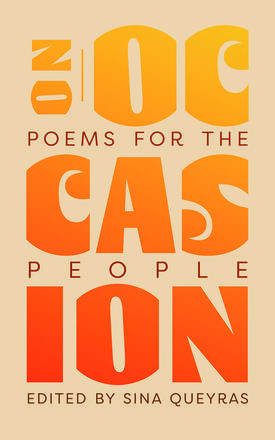
1. On Occasion: Poems for the People, edited by Sina Queyras
On Occasion is an anthology edited by Sina Queyras that reimagines the tradition of the occasional poem for the twenty-first century. This expansive anthology gathers more than one hundred poems that respond to the urgencies of our time—moments of love, protest, mourning, celebration, and collective upheaval. With contributions from poets including Suzanne Buffman, CAConrad, Sue Goyette, Canisia Lubrin, bpNichol, Michael Ondaatje, Lisa Robertson, Sue Sinclair, and A. E. Stallings, On Occasion reminds us that poetry had always been language for marking the moments that matter most.
2. The Tinder Sonnets by Jennifer LoveGrove
The Tinder Sonnets by Jennifer LoveGrove is a bold, confessional collection that confronts modern dating and the cultural pressure for “women of a certain age” to quietly disappear from the realm of desire. Drawing on experiences from dates, relationships, and the strange reality of app-based romance, LoveGrove’s poems examine how misogyny shapes intimacy in the digital age. The collection playfully reworks the traditional sonnet while remaining sharply attuned to contemporary gender politics.

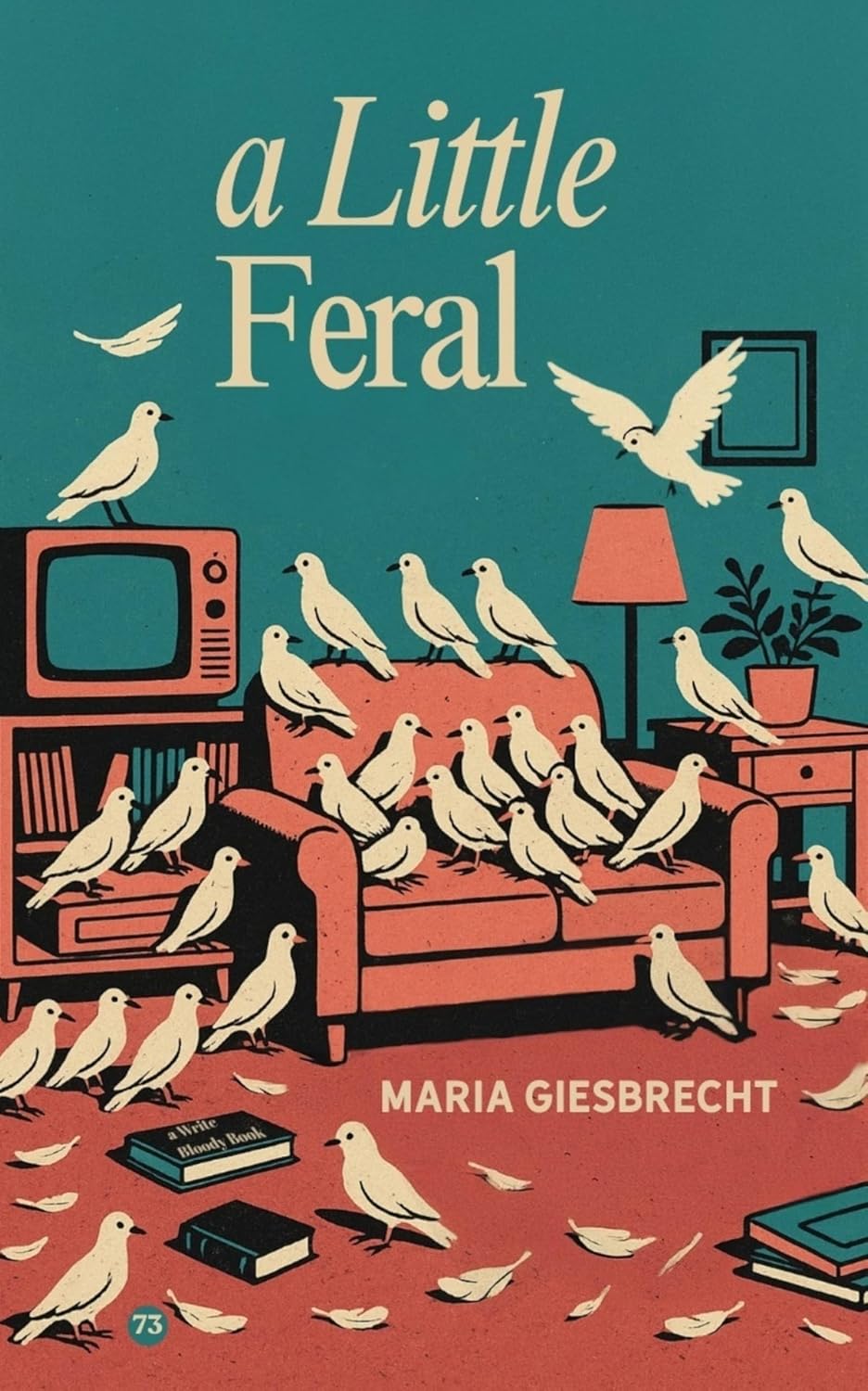
3. A Little Feral by Maria Giesbrecht
A Little Feral by Maria Giesbrecht is a striking debut that explores faith, family, and personal resurrection in the aftermath of leaving a conservative Mennonite upbringing. These poems trace a departure—from father, from God, and from the rigid expectations of obedience—while searching for new forms of belonging. The collection invites readers to reconsider where holiness might reside: in fractured families, in the unravelling of inherited belief, and in the difficult freedom that follows.
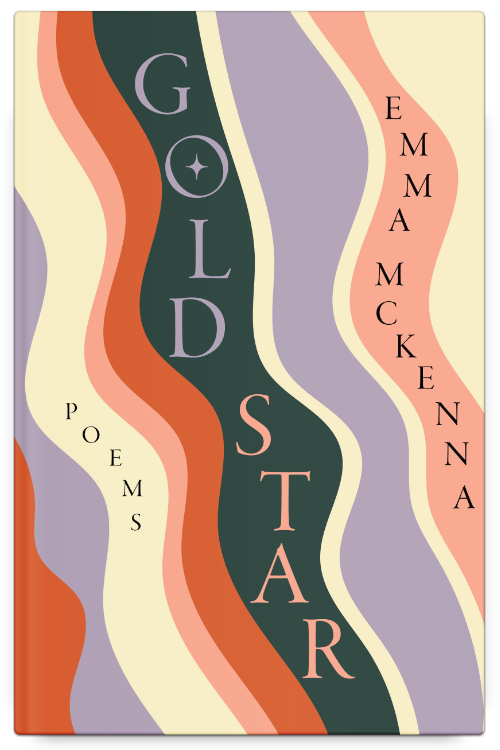
4. Gold Star by Emma McKenna
Gold Star by Emma McKenna is a candid and moving collection that explores bodily autonomy, trauma, and the empowerment of queer femme identity. It draws on experiences of growing up in poverty in a single-parent home and leaving for the city at sixteen to confront the physical and emotional aftershocks of violence while also celebrating resilience, creativity, and survival. Moving through themes of bisexuality, disability, reproductive health, and the choice to remain child-free, Gold Star examines how sexism and sexual violence shadow the lives of women and girls, culminating into a feminist exploration of embodiment.
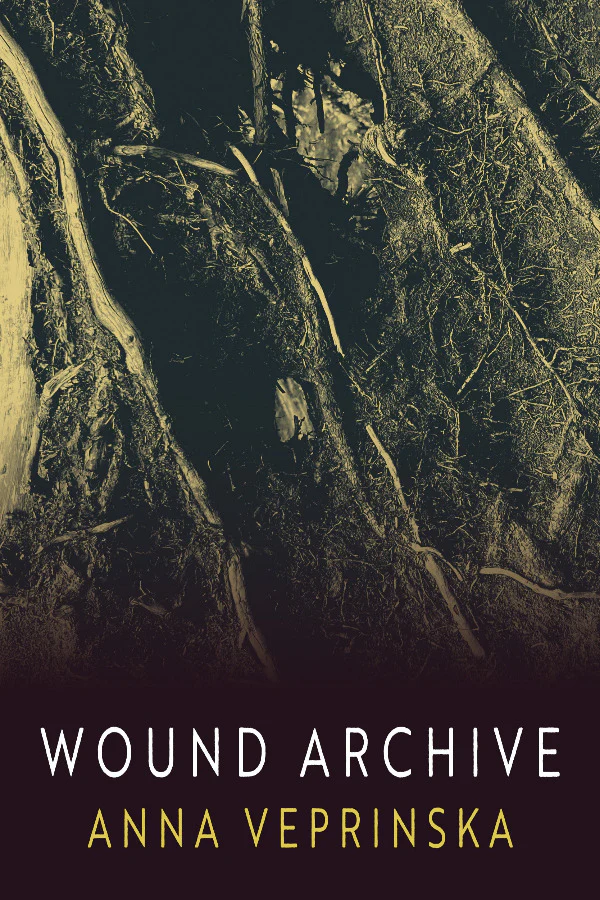
5. Wound Archive by Anna Veprinska
Wound Archive is a collection of minimalist poems that document the concurrent ending of a relationship and the onset of a chronic invisible illness. These fragmentary pieces turn woundedness—both emotional and physical—into an act of linguistic reformation. The symbol of the wound recurs throughout, tracing the ways heartbreak and illness inhabit the body, and how the corporeal becomes a portal to the incorporeal: god, ghosts, healing. Veprinska’s work reveals how brevity can hold the vastness of ache.
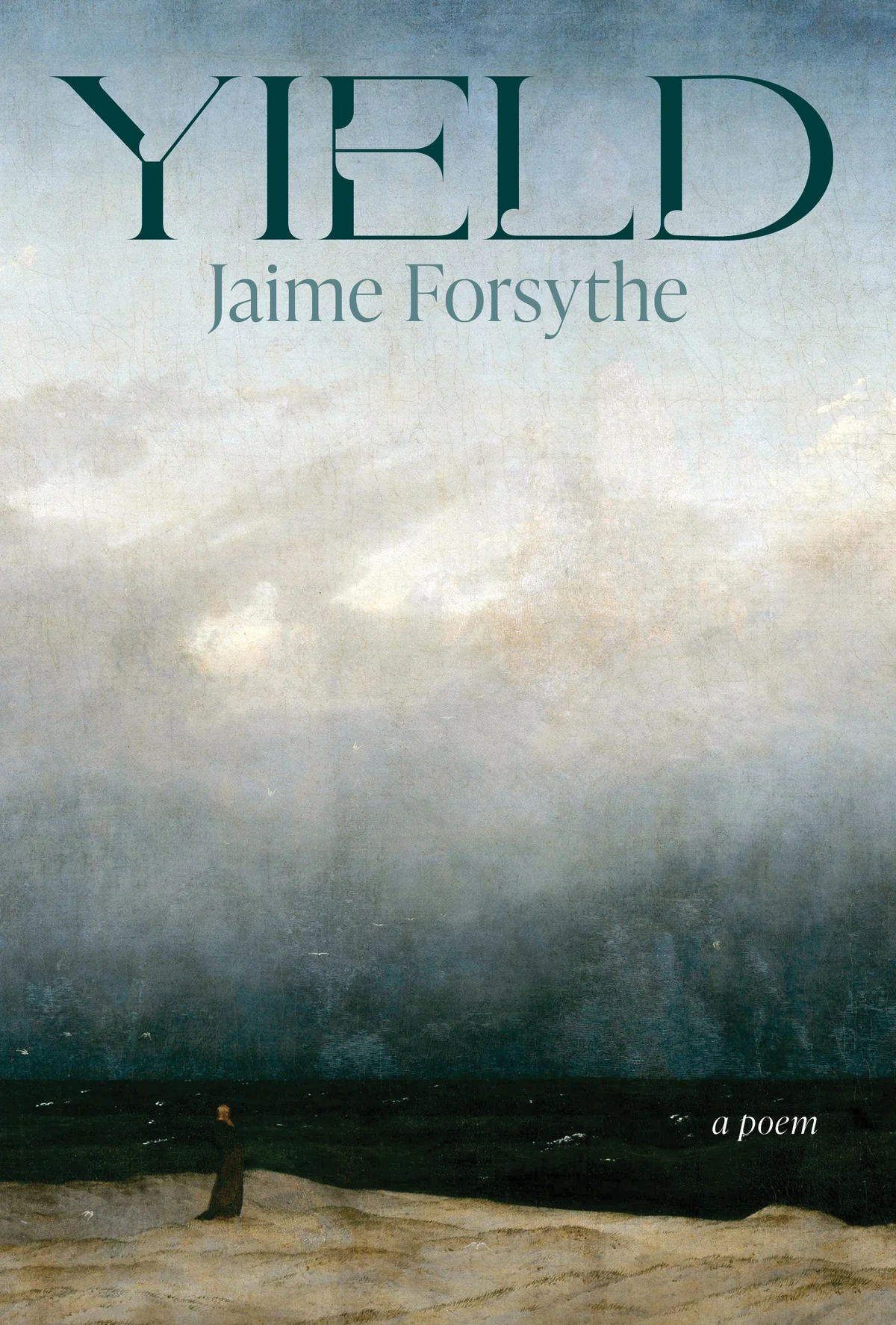
6. Yield by Jaime Forsythe
In her third collection, Nova Scotian poet Jaime Forsythe has created an elegant long poem with Yield. In these dreamlike lines a mother faces the postpartum void from a porous house by the ocean as the veil between land and sea, and between being lost and being found, grows thinner. With repeated waves of couplets Forsythe brings the reader unforgettable images: a pom-pom that hardens into a sea urchin, an underwater dance club, a coast that melts into the sea. Delicately tracing the disorientation and dark edges of new motherhood, this is a collection that embraces beauty and ambiguity with a baby that roots for milk while what’s ancient—whether history or memory—floods in.
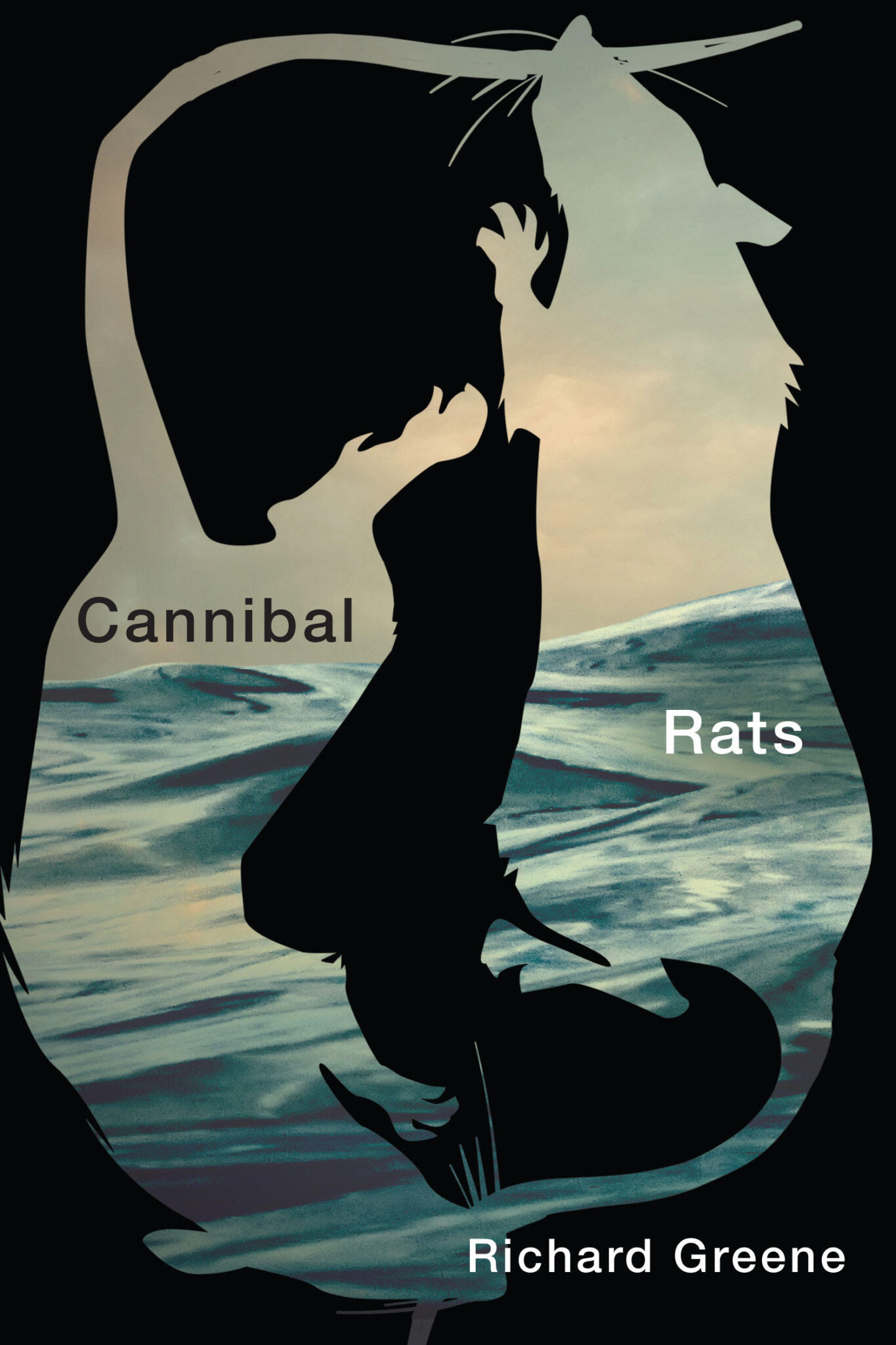
7. Cannibal Rats by Richard Greene
Cannibal Rats is a powerful new collection marked by its moral clarity and masterful craft. Moving across landscapes as varied as American Civil War battlefields and the storm-worn shores of Newfoundland, Greene’s poems bear witness to historical injustice while reflecting on memory, art, and the inevitable presence of loss.
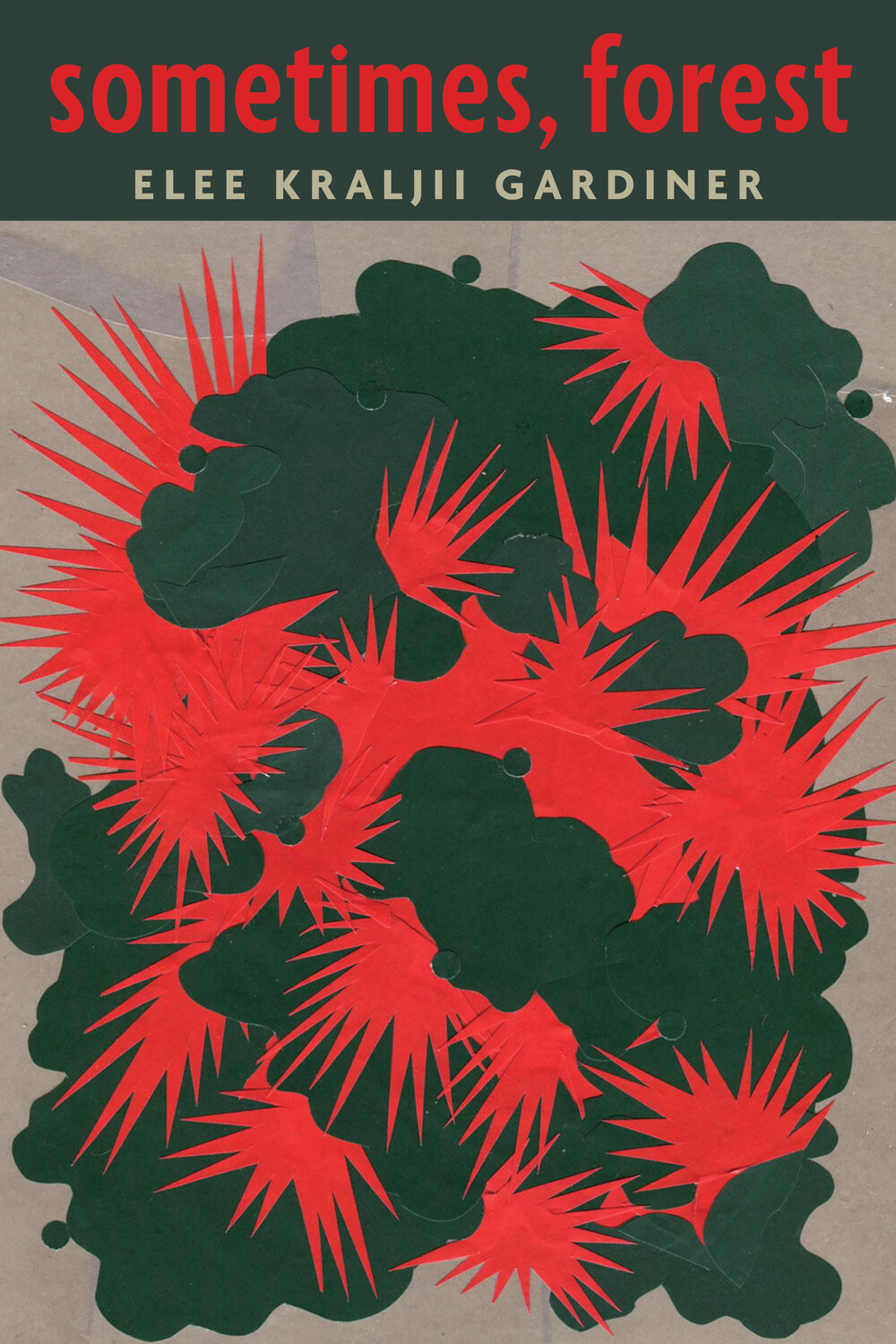
8. sometimes, forest by Elee Kraljii Gardiner
sometimes, forest explores desire, ecology, and the shifting boundaries between the self and the natural world. The collection returns again and again to the same woods, observing subtle seasonal transformations alongside more personal changes. The forest becomes lover, friend, mother, and sometimes an absence the speaker longs to locate within herself. Sometimes, Forest creates a compelling vision of “hylofeminism,” a philosophy rooted in networks of care and relational connection with the more-than-human world.
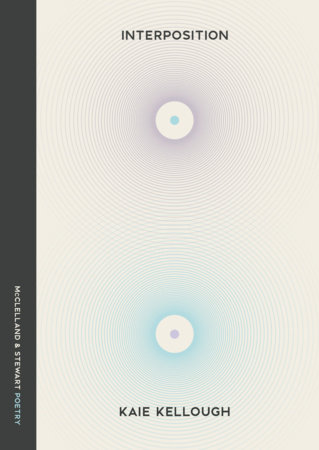
9. Interposition by Kaie Kellough
Interposition is a long poem that repurposes the language of the present. It borrows its vocabulary from the news, entertainment, war, advertising, technology, and the everyday tragedies of popular culture. It reveals the morbid humour of our inability to distinguish between the urgencies of personal achievement and climate crisis. It compresses sound and rhythm into paradox, and it conflates absurdity and emergency.
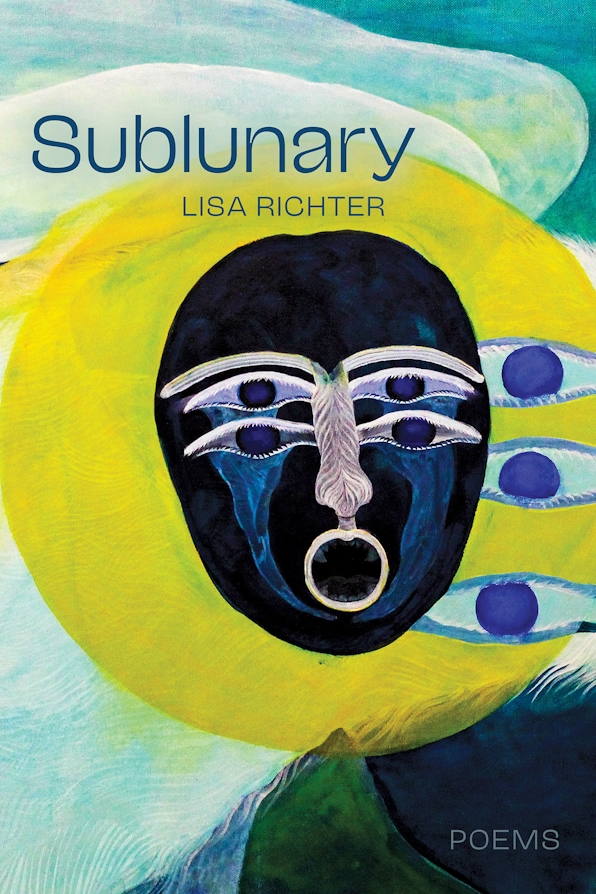
10. Sublunary by Lisa Richter
In Sublunary, Lisa Richter explores what it’s like to live “under the moon” in a world that is simultaneously a heartbreak and a total wonder. Sweetmeats and ocelots rain from the sky. Pets are shadow puppets. A kitten impersonates a teacup. A grieving daughter travels back in time to be at her father’s side in the final hours of his life. Newlyweds soar over the rooftops of west-end Toronto, passing a violin-playing goat along the way. From Atlantis to Mount Olympus to Christie Pits, these poems interweave moments of absurdity and awe, creating a nuanced portrait of what “a reckless intimacy with the world” might look like—for better or worse. Sublunary is a book of elegy, play, and rupture that advocates for an ethics of care, solidarity, and compassion for our perfectly imperfect selves and each other: a mode of survival that is full-throated and, at times, even joyous.
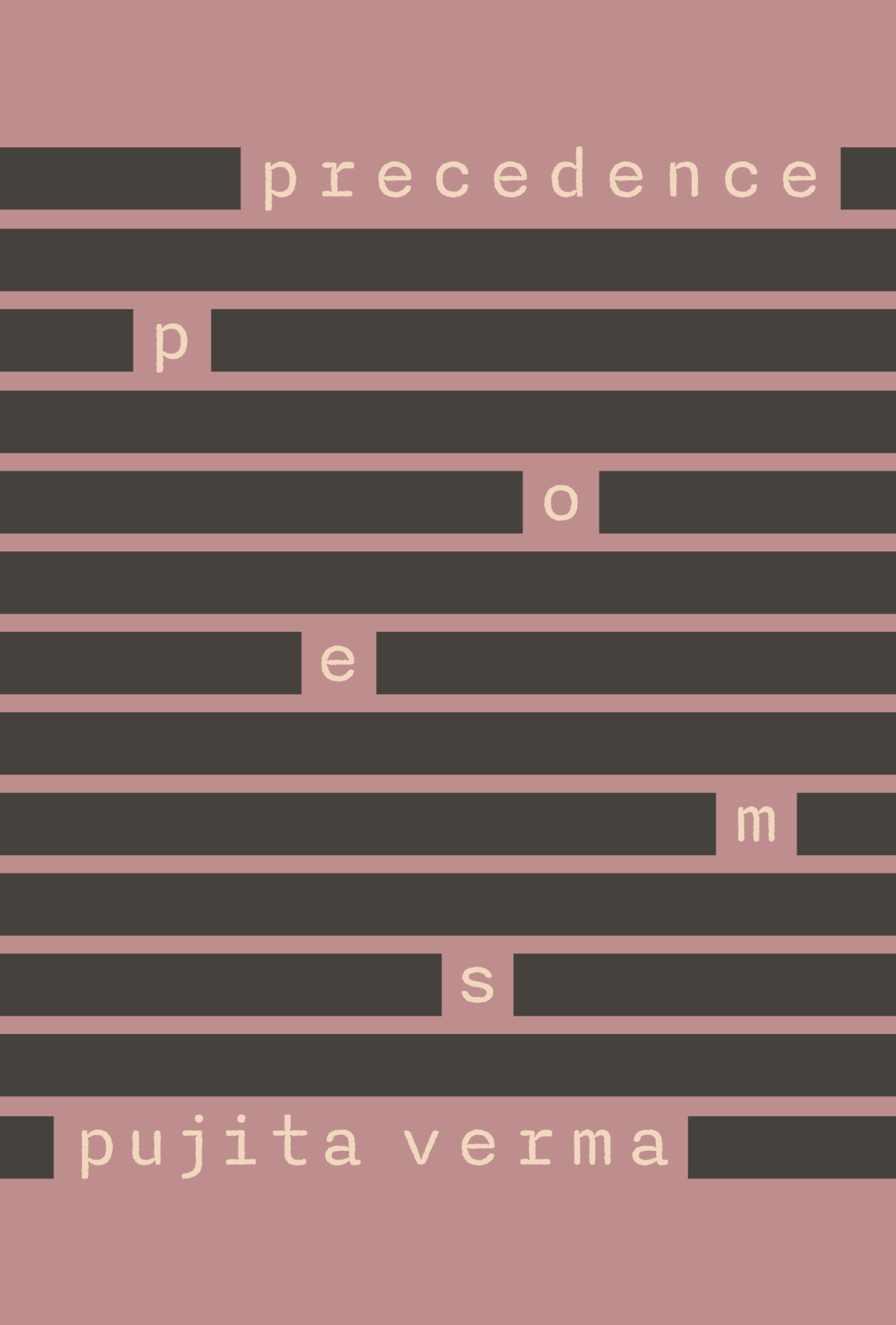
11. Precedence by Pujita Verma
Grounded in a recent legal case that crosses borders, Precedence offers an intimate and stunningly poised insight into a young woman’s experience leaving home and facing her father in a Canadian courtroom. Pujita Verma’s tender, hopeful voice exposes the shortcomings of the international legal infrastructure in providing recourse to survivors of childhood sexual abuse, while honoring the generations of women who have protected and taught her, and whose sacrifices ultimately put her in the position to speak out publicly. What precedents, Verma asks—legal, personal, cultural—do we rewrite for ourselves and others each time we act? What does it look like to know romantic love, and come of age, after coming forward?
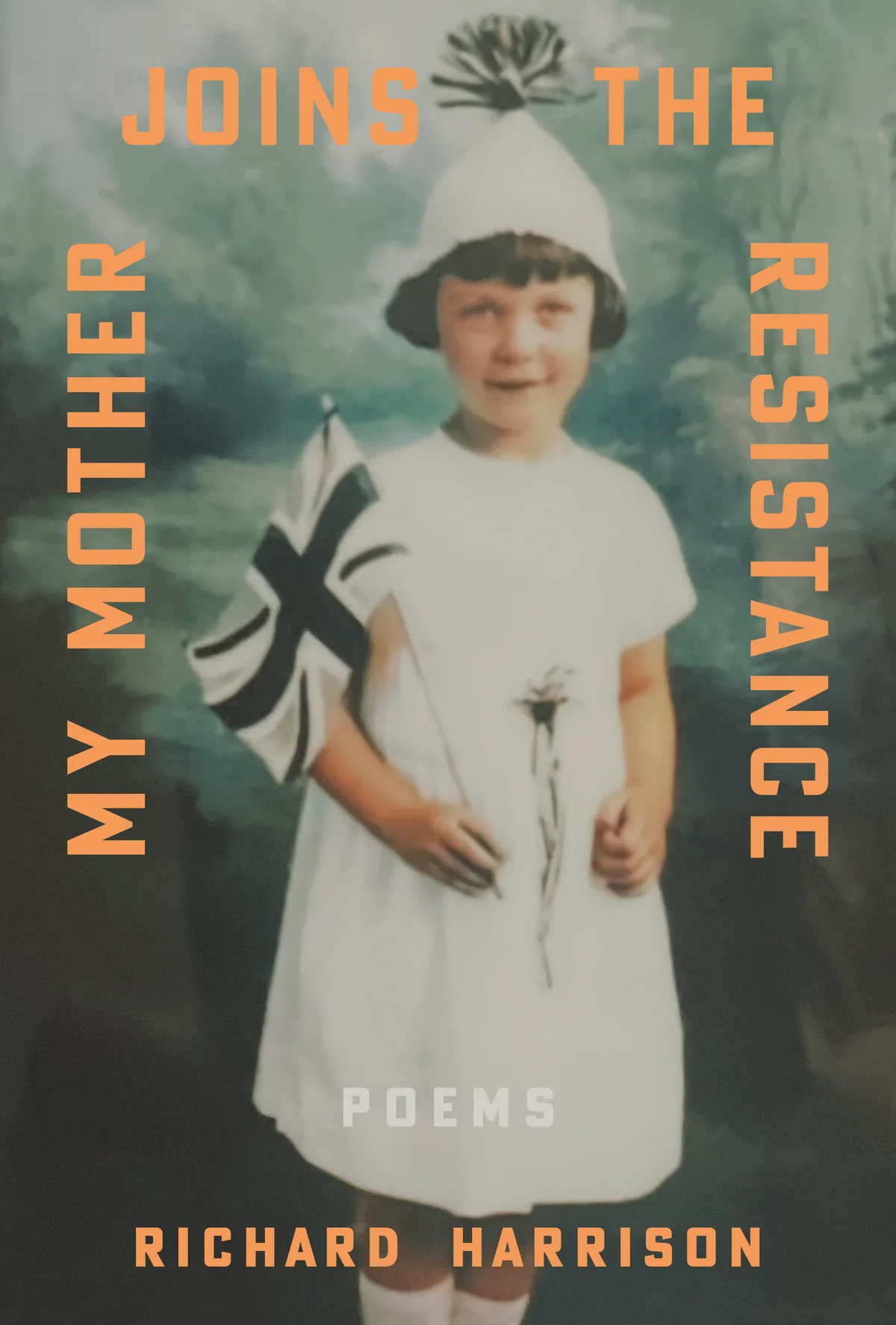
12. My Mother Joins the Resistance by Richard Harrison
In this latest collection Richard Harrison has created a companion to his Governor General Award–winning collection On Not Losing My Father’s Ashes in the Flood. In My Mother Joins the Resistance, Harrison considers his mother’s life – from her time as a child during WWII’s Operation Pied Piper, up until its end, in 2017, when terminally ill with cancer, she chose MAiD – with elegant, deeply felt poetry. These are beautiful poems, ones that piece together a person, a life and a family over generations. These are poems that examine the wounds passed down through a family, alongside the love, and see the echoes of both—the wounds and the love—in the world around us.
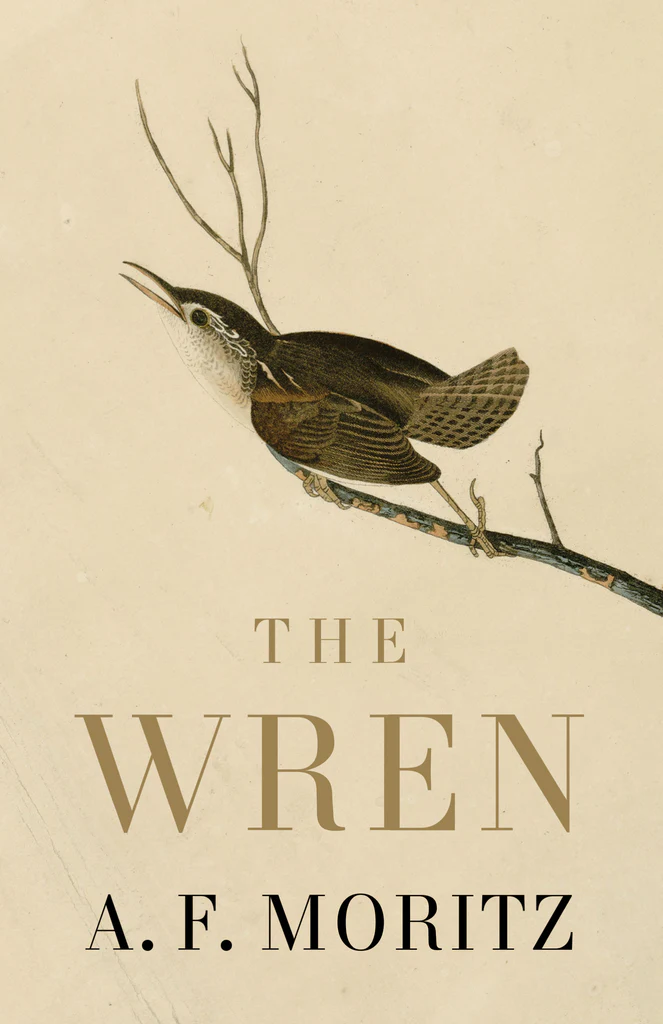
13. The Wren by A. F. Moritz
A.F. Moritz’s twenty-third book of poems originated with an impulse, beginning in April 2019, to write a series of continuous poems. The first goal was to keep them short. The second was to make them separate, in the process reflecting the whole of human life, stable in moments and bodies. In The Wren, Moritz arranges 70 short poems in a sort of galaxy: an apparent scatter, not of stars but of poems, of feeling-thoughts. What is the unity of these active “states” of ours, given that they do not simply follow, or hook onto, or neighbour, or echo one another in a chain of resemblance that seems to have gaps and missing links that reappear later, healed? The title was chosen partly to speak to Moritz’s The Sparrow: Selected Poems (2018), but also because, among the many short poems of this collection, one of them asked to be central: a poem about a small bird that hops from within a thicket of stems to peer out at the poet for a second and then disappears back inside. This tiny story of a tiny fellow creature is the narrative, the “novel,” of this book: a little story that is nonetheless one of the great and ever-retold stories.
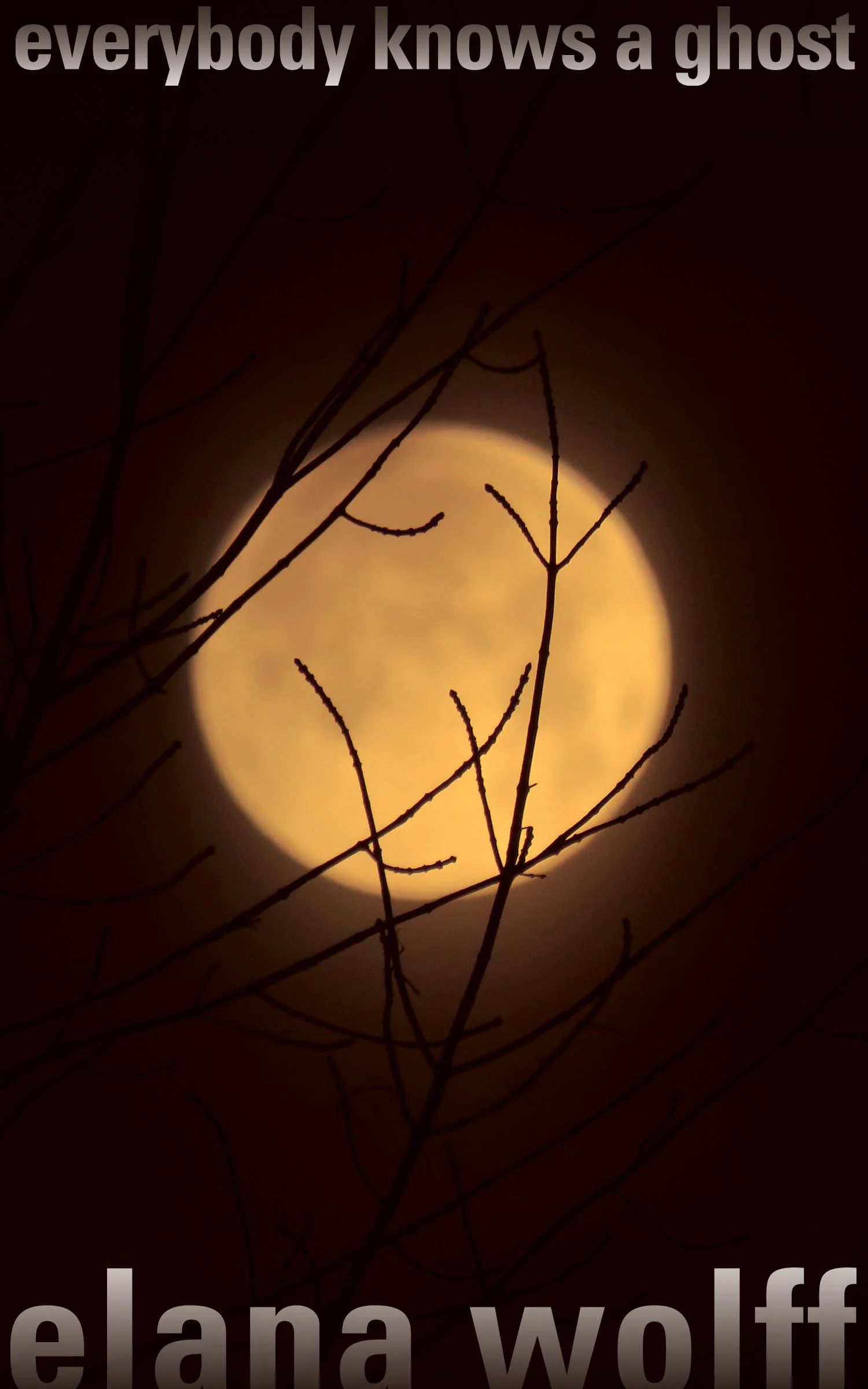
14. everybody knows a ghost by Elana Wolff
In these rhythmic lyric pieces, ghosts appear as indications, veils and shades, shadows and chance—in illness, art, nature and relationship; in the nebulousness of memory. Hosts of soul, self, and other. In Everybody Knows a Ghost, knowing denotes a closeness where there’s space for struggle and fumbling, interplay and change. For when has it ever been unhuman to morph, perish, linger, or reappear.
15. Here’s to Letting Go by Blaine Thornton
Here’s to Letting Go weaves through the memories of a child seeking safety that was never found at home. Thornton shares the challenge of escape to only find shelter under the northern pines, unsafe rooming houses, and couches that came with the worst cost. An unfiltered view from a young trans, non-binary person who desperately sought help but could bring yet more danger. This poetry memoir shines a light on what it takes to survive a childhood of chaos and danger and find a path towards acceptance and healing.
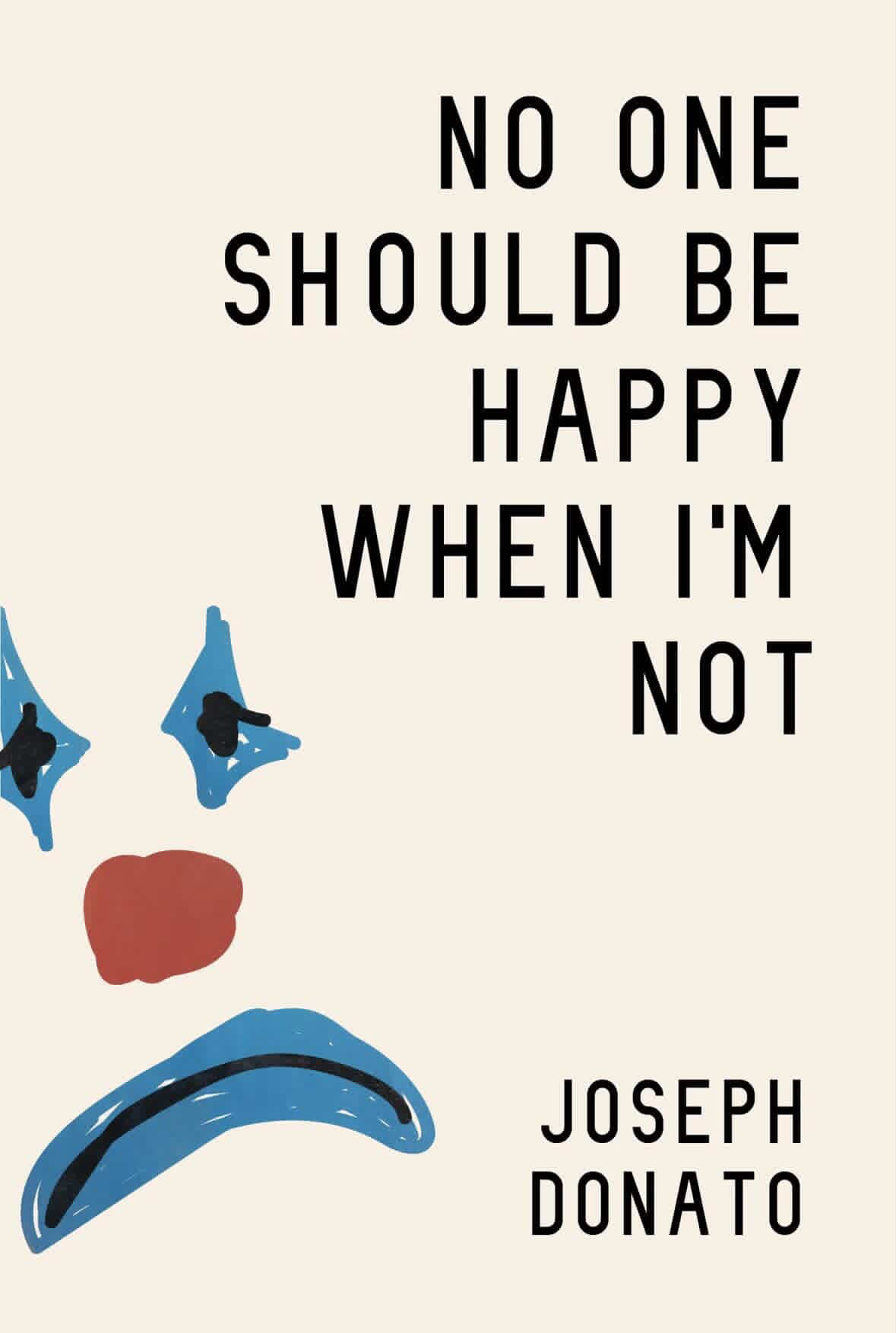
16. No One Should Be Happy When I’m Not by Joseph Donato
No One Should Be Happy When I’m Not offers a glimpse into the life of a clown who was slightly wronged and completely lost his mind. Each poem drips melodrama and despair and explores how grief can become a spectacle out of necessity. Joseph Donato’s wit and insanity shine through in this teeny-tiny collection of break-up poems.
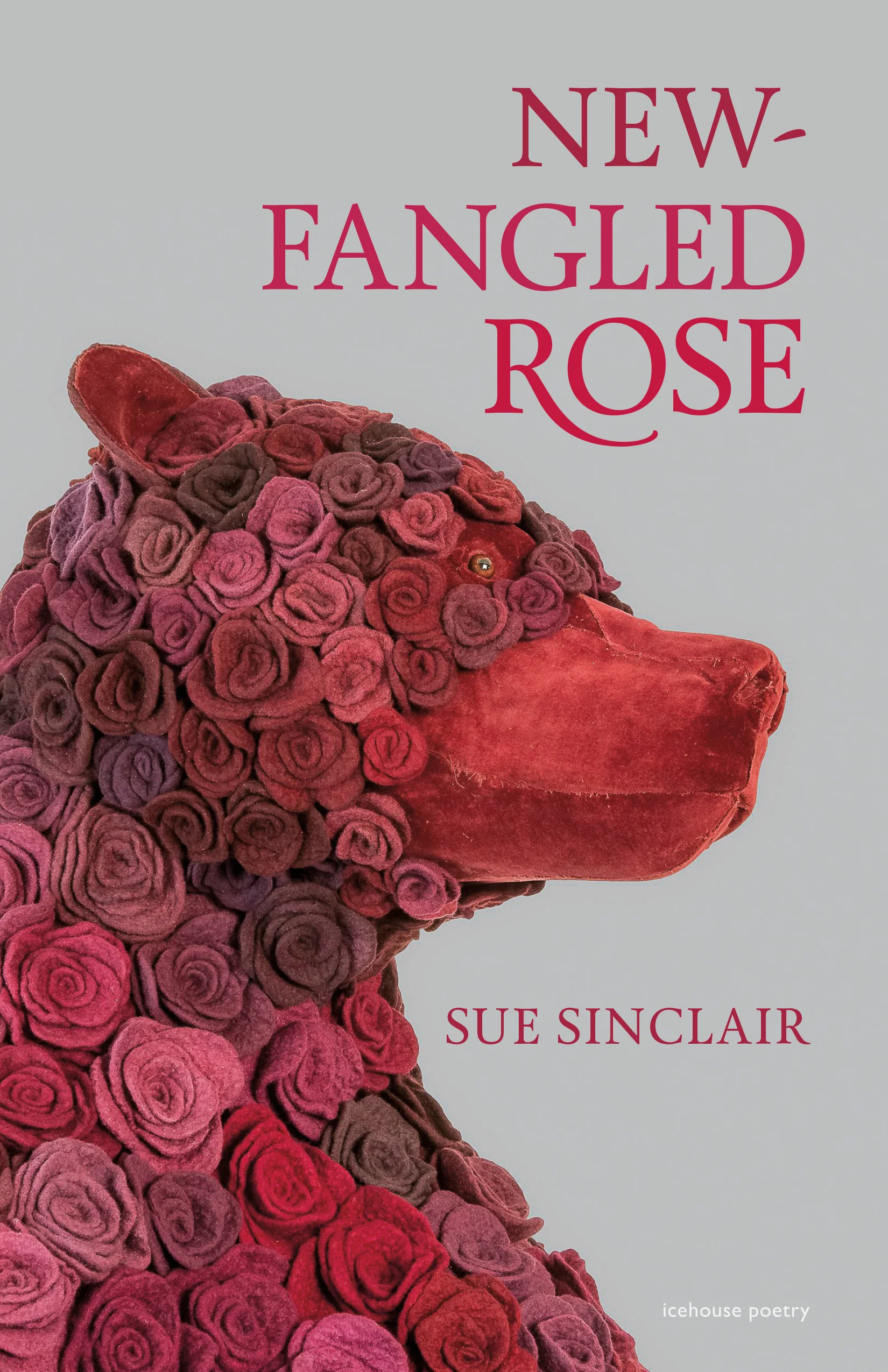
17. New-Fangled Rose by Sue Sinclair
Like a rose blooming out of season, the poems in Sue Sinclair’s newest collection are unexpected, unforgettably beautiful, and an unwavering gesture toward the slow emergency of climate crisis. With the lyrical brilliance and keen eye trained on beauty that’s characteristic of Sinclair, New-Fangled Rose reaches toward the light with reverent hands, photosynthesizing it into poems that are deft, musical, and unquestionably alive. These poems cast a wide gaze over a fragile world, offering vibrant elegies to luna moths and crab apples, fireflies and trilliums. They examine what it is to build relationships in a world that feels increasingly precarious, like at any moment, something may end; like at any moment, something may begin.
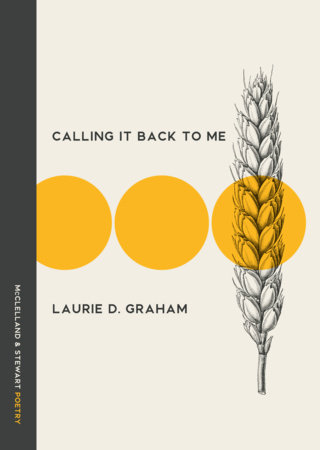
18. Calling It Back to Me by Laurie D. Graham
A poet’s clear-eyed witnessing of familial history, this is the most personal collection yet from two-time Trillium Book Award finalist Laurie D. Graham. In these searching, spare, and resonant poems, Laurie D. Graham traces the story of her great-grandmothers’ lives before and after they left their homelands and settled on this continent, striving to understand how she came to be here and writing the act of colonization as it exists in her own family history. This collection’s fractured lines, time-weathered yet alive with detail, reflect a family’s knowledge broken by global immigration and memory loss, both individual and collective. The result is a courageous reckoning with the legacy of leaving home.
19. Lockers are for Bearcats Only by Mallory Tater
The poems in Mallory Tater’s Lockers Are for Bearcats Only spill out from the confluence of grief and water. After losing one of her closest friends, the poet began swimming laps—part meditation, part therapy, part escapism—immersed in the depths of the public pool. There, she found herself haunted by the strange tension between fitness / surrender and memory / motion where ghosts of girlhood, catholicism, and addiction rose to the surface. These themes haunt Lockers Are for Bearcats Only – a tender, unguarded exploration of loss, embodiment, and the currents that carry us through life with and without those who shaped us.

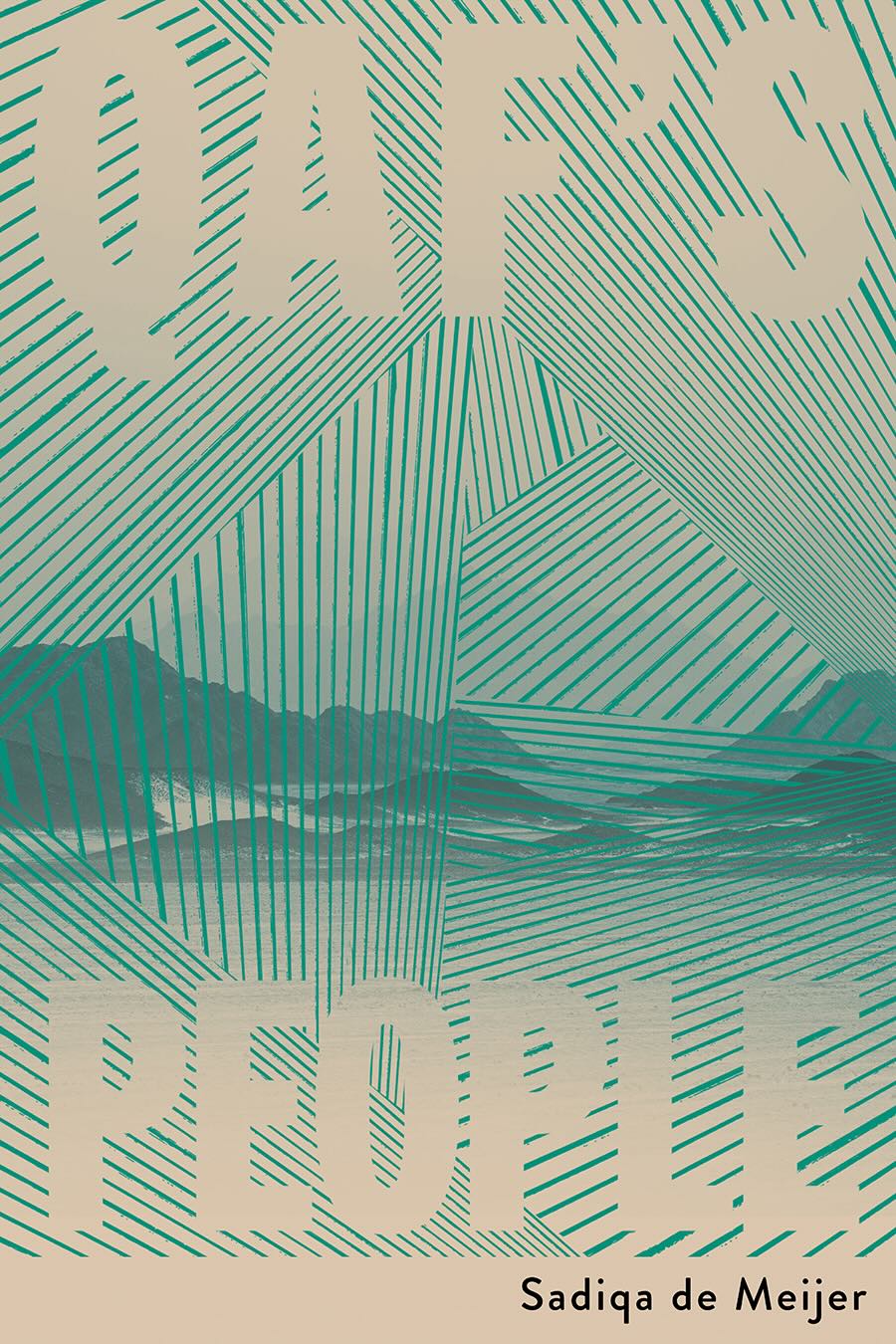
20. Qaf’s People by Sadiqa de Maijer
“If there is a mother country and a father country / if an ocean, or some seas, or river after river after river / breathe between your right side and your left / you’re from Qaf,” offers Governor General Award-winning writer Sadiqa de Meijer in, Qaf’s People, an elegant and ambitious exploration of mixed-race identity, diaspora, and the precarities of belonging, set in an imagined landscape drawn from Islamic mythology. Here, “a seedling body wearing a smock or backwards old // dress shirt makes a map.” Here, the Netherlands, Kenya, and Canada overlap, and “we love where we are from without a flag.” Within de Meijer’s skillful poems, history’s many tributaries converge, their confluence offering new ways of understanding the complexities of lives lived across and through continents, languages, and cultures. Qaf’s People is a book rich with inquisitive beauty and interrogative poise.
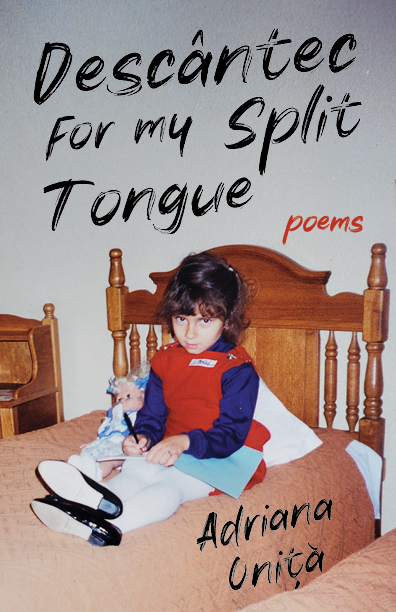
21. Descântec for My Split Tongue by Adriana Onițǎ
Descântec For My Split Tongue, Adriana Oniță’s first book of poetry, gathers English-Romanian poems that travel across generations, homelands, and dreamscapes to ask: what do we lose when we lose a language? Drawn from Oniță’s childhood and her immigration from Jilava to Edmonton, the poems explore dor—a Romanian word for deep longing—for her mother tongue. Along the way, Oniță unpacks “untranslatable” Romanian words and proverbs, each a compressed zip file of culture, humour, grief, and courage. The book itself becomes a descântec—part incantation, part prayer, part spell—summoning both the failures and the triumphs of translation into a ritual of healing.
22. Half-Earth by Blair Trewartha
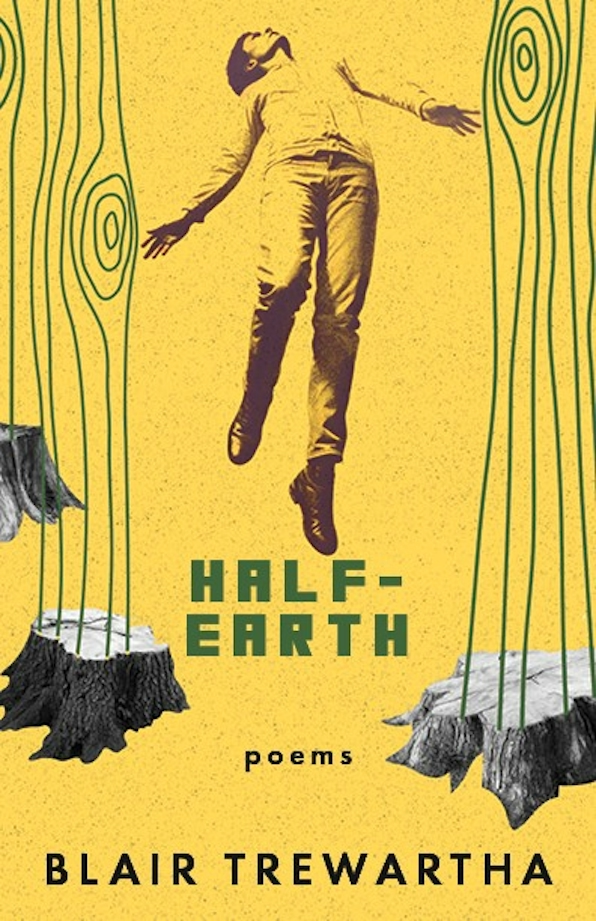
In his second full-length poetry collection, Half-Earth, Blair Trewartha explores what it means to survive in a world beset by climate crisis and the ever-distorting realities of digitized human life. Throughout, the poet weaves dreamlike narratives and excavates scenes of deep history that connect to both family and illness, all the while questioning how to raise young children through a pandemic and the advent of Artificial Intelligence. Rather than sermonizing or catastrophizing, Trewartha presents moments that exist on the brink of both the past and the future, replete with prehistoric tusks frozen in forgotten tundra, a decaying family farmhouse, firestorms, the zeitgeist by algorithm, and a toddler’s visualization of death. Half-Earth is a long-awaited beacon from one of Canada’s finest poets.
23. The Distance of a Shout by Michael Ondaatje
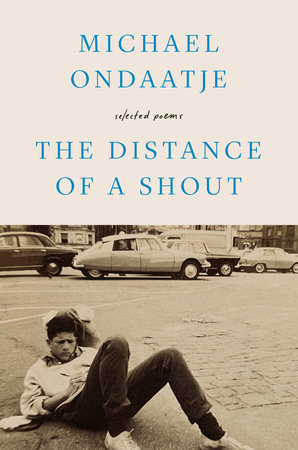
In The Distance of a Shout, Michael Ondaatje has assembled some of his finest poems into a singular poetic memoir that invokes the arc of his own journey over fifty years. Through poems that grow out of his profound understanding of how we lose and find ourselves, Michael Ondaatje navigates his own past, beginning with memories of his childhood in Sri Lanka and his eccentric family, to his life in rural southern Ontario with its beloved rivers, celebrations of treasured friends, the close ties of children. We follow him through the exhilarations of youth and into that “storm of music,” the passionate swerves of longing and desire, until we reach the calm of that moment when, with “only a cloud’s reflection holding you up, You swim into late afternoon.”
24. Black Girl in the Ring by Delores V. Mullings
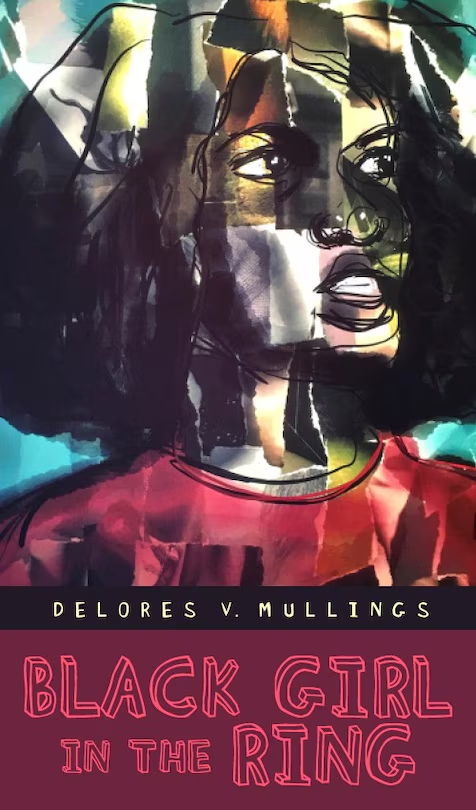
Juxtaposing experiences of discrimination with love and resilience, this debut poetry collection is a critique of intimate and institutional violence and hostility, entwined with a celebration of beauty and fierceness. What is the difference between institutional violence enacted by trusted individuals and intimate violence enacted by loved ones? This collection of free verse, haiku, and narrative poetry takes the reader by the hand and walks them through these parallel experiences from a personal perspective. In a study of relationships of power, these poems delve into the complex structures of feminism, nature, and discrimination. A balanced mixture of reflection, celebration, energy, and sadness unfolds within the pages; drawing on contemporary style, the author creates the space to feel grief, loss, sorrow, and disappointment in equal measure with joy, contemplation, excitement, and elation.
25. nightstead by David Martin
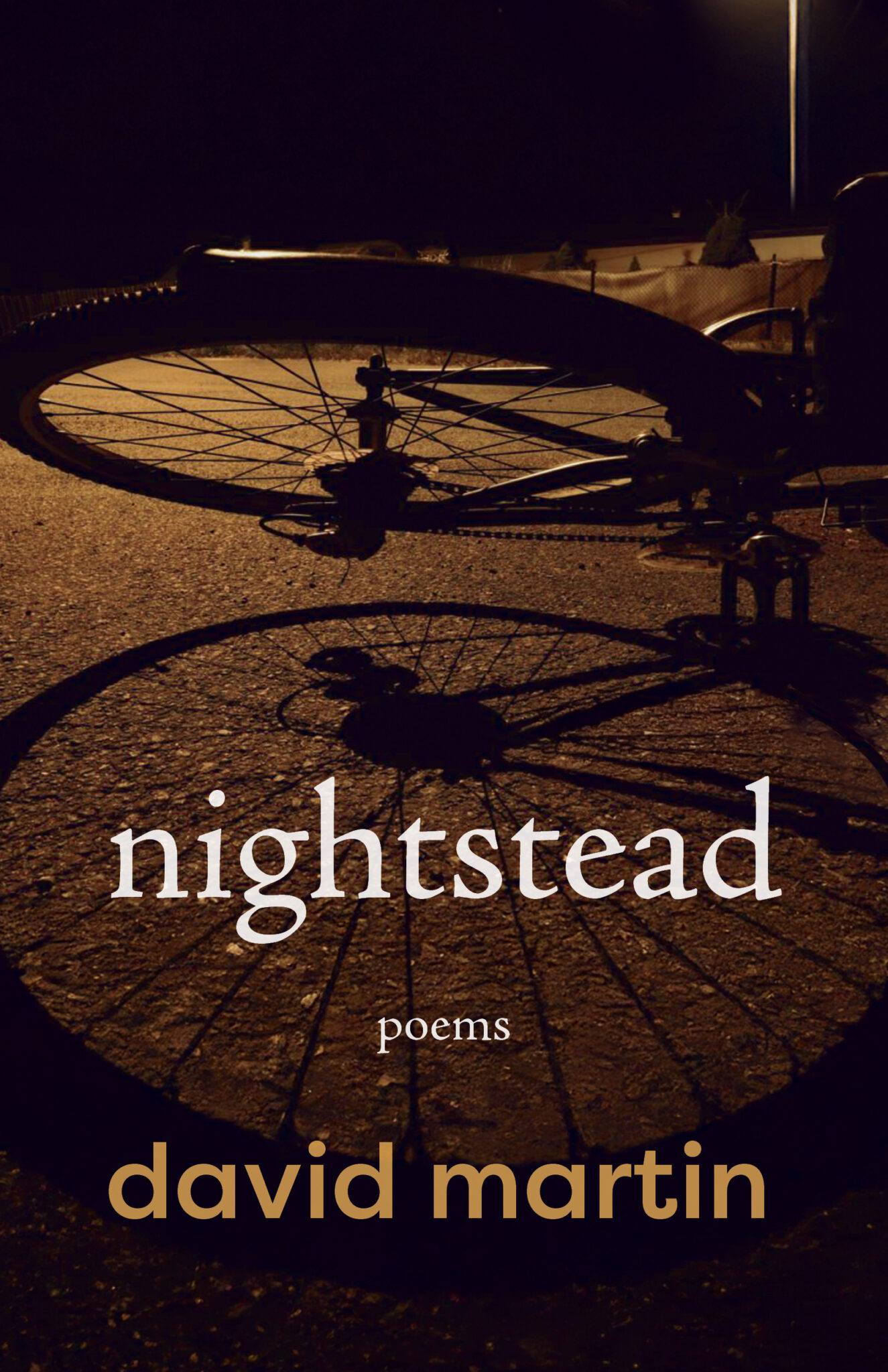
In his most personal collection to date, award-winning poet David Martin elegizes his younger brother, who died by suicide at the age of twenty-three. With a mixture of childhood recollections and anguished immediate perceptions, nightstead produces a complex memorial while pushing against the utmost limits of memory’s power. Dislocating experiments juxtapose with searingly direct verse to make a haunting poetic memoir that will remain with readers long after they put it down.
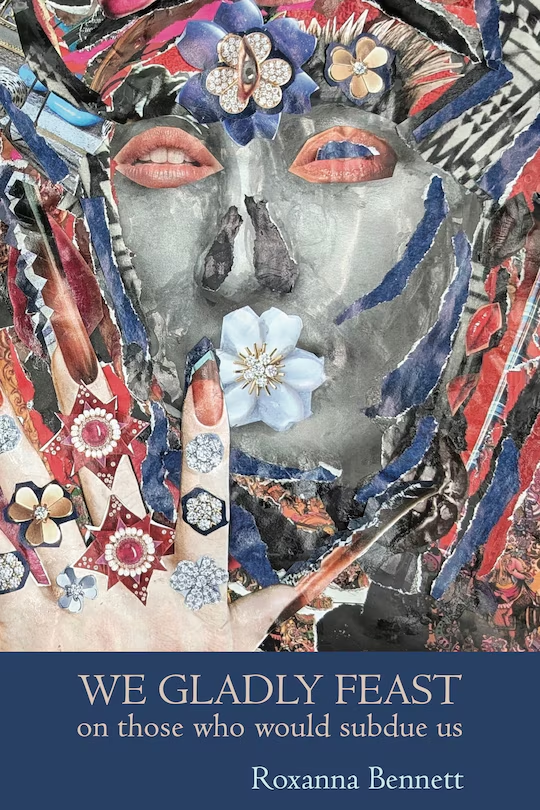
26. We Gladly Feast on Those Who Would Subdue Us by Roxanna Bennett
We Gladly Feast on Those Who Would Subdue Us marks a significant formal shift for award-winning poet Roxanna Bennett, away from the recombinant sonnets that she employed so deftly over three volumes. She reformulates disability poetics in this new collection by infusing concepts of collage, enacting the improvised experience of disabled persons who use whatever comes to hand in order to negotiate the inaccessibly-constructed world. Though her formal strategies have changed, Bennett’s voice remains as unique and as powerful as ever.
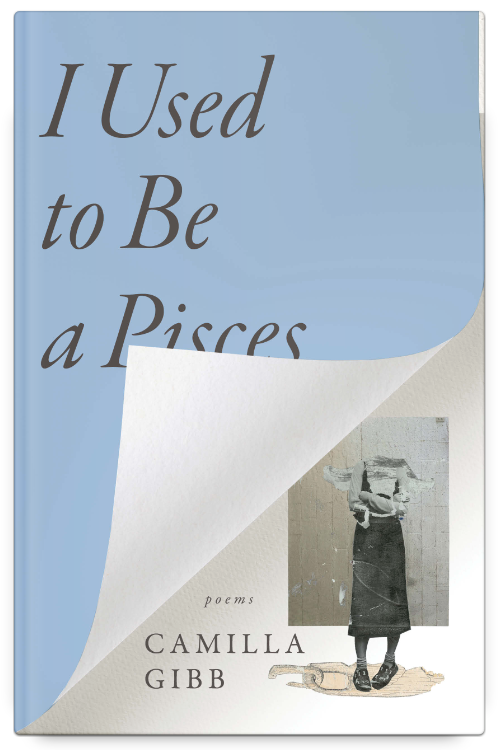
27. I Used to Be a Pisces by Camilla Gibb
I Used to Be a Pisces is a deeply felt meditation on love and belonging, exploring changing landscapes, loves, and selves. In these poems, accompanied by her original collage work, Gibb generously invites us to engage with our surroundings, recognize the relationships that shape our existence, and examine our longing for restoration and regeneration. Grappling with what it means to feel at home in a time of upheaval, and woven through with threads of hope, grief, and the persistent pursuit of renewal, I Used to Be a Pisces is a masterful poetic work from one of the country’s most beloved and celebrated authors.
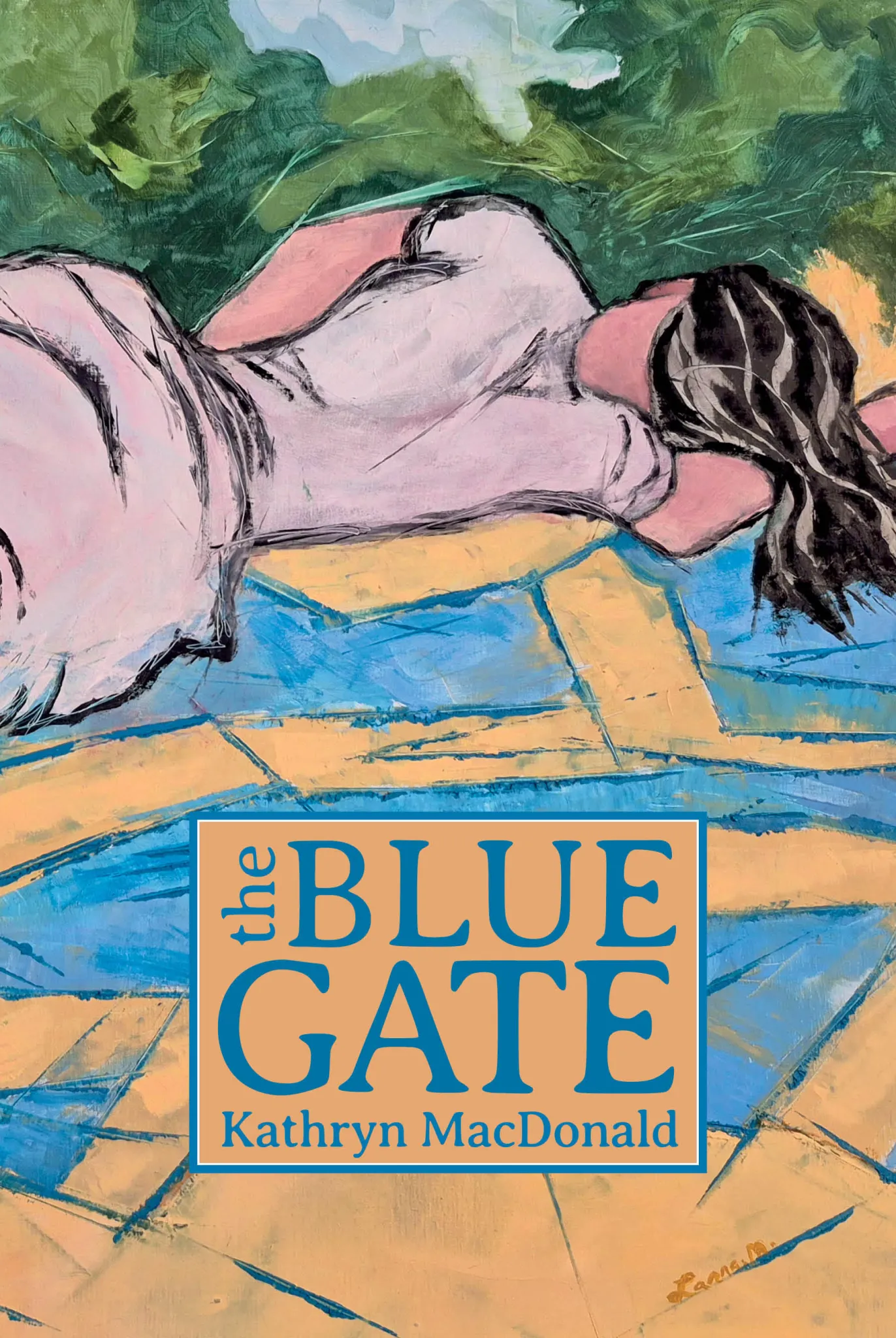
28. The Blue Gate by Kathryn Macdonald
The Blue Gate explores the surprise of love, the shock of loss, and challenges boundaries and liminal spaces. It probes into a love affair that defies conventions, capturing the narrator’s voice from the first lyrical poem. With the death of the belovèd, an invitation to fly to Kenya arrives; it’s accepted; and the long title poem ravels and unravels reality. Poems in the final section question the loss of intimacy, loneliness, change, and unattainable acceptance. The poetry is vivid and grounded in the senses and in nature, whether set in Canada or Africa. The collection seeks—what —understanding, consolation, release, or does it ask whether love enriches or leaves one lost?
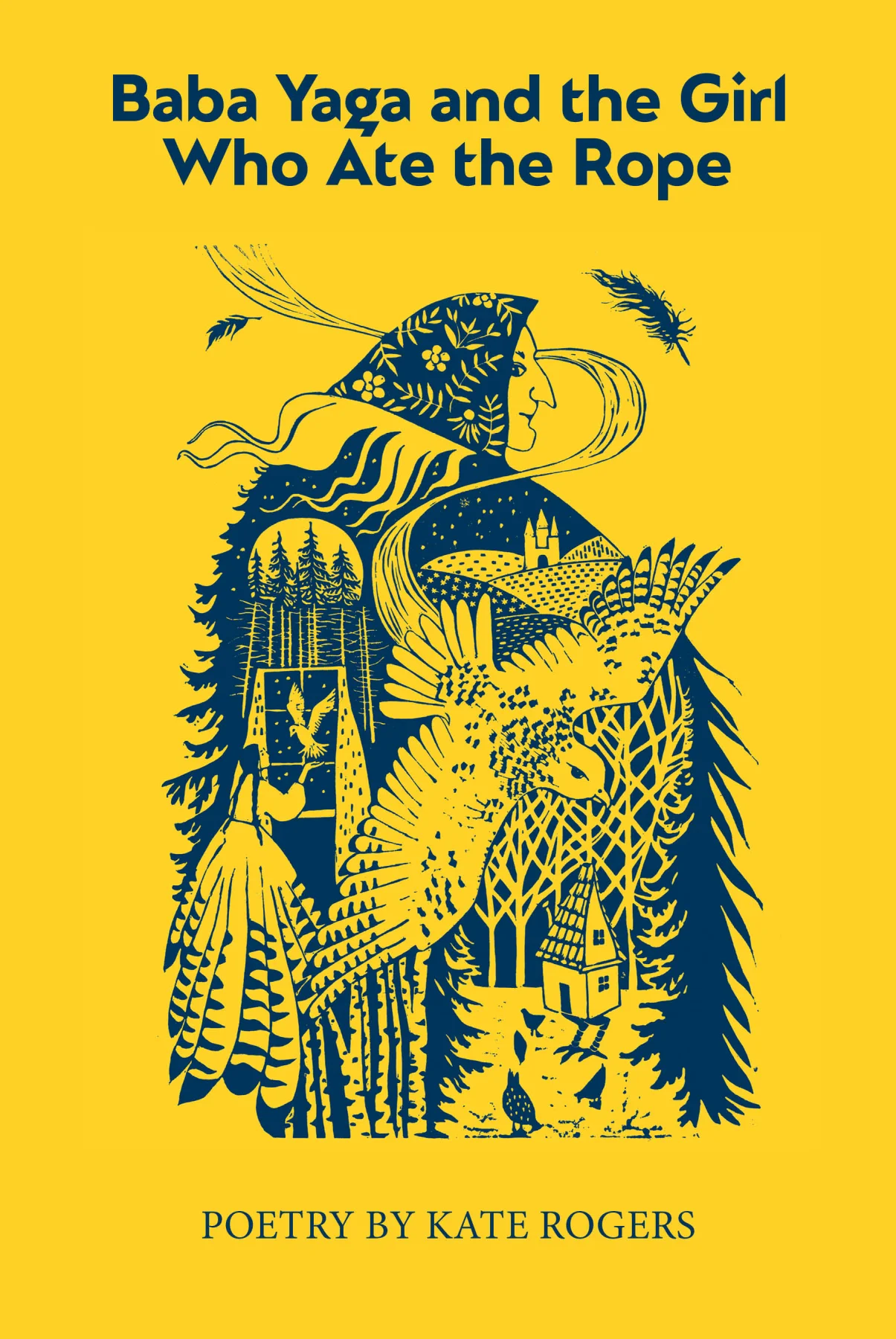
29. Baba Yaga and the Girl Who Ate the Rope by Kate Rogers
In these incantatory poems, Kate Rogers reimagines family, folklore, and climate grief. Her muse: the Slavic witch Baba Yaga, both matriarch and mirror. An aging mother stamps her cloven foot in rage, forgets her children’s names, casts spells against wildfire and rescues finches in her deep pockets. Moving between a mother’s decline and sweeping visions of a damaged ecosystem, Baba Yaga and the Girl Who Ate the Rope is a mythic spell-book, both tender and terrifying.
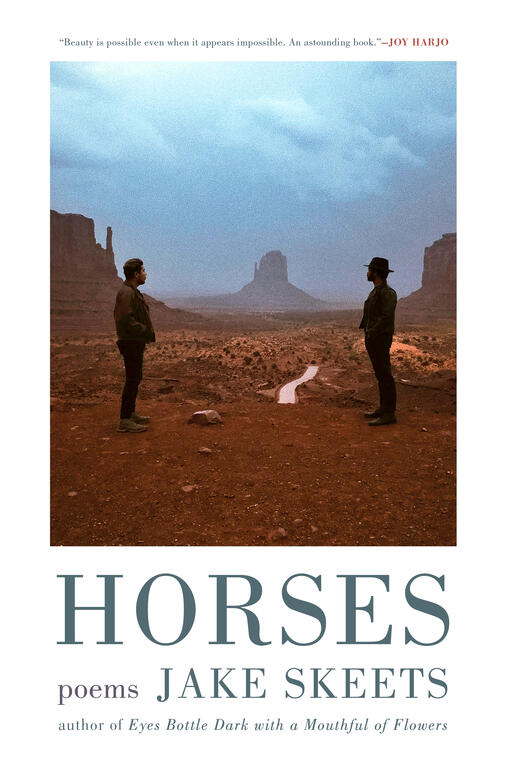
30. Horses by Jake Skeets
Navajo Nation Poet Laureate Jake Skeets’s highly anticipated second collection patiently tracks the impacts of climate change on the land and its myriad inhabitants. Arranged as a quartet, this collection begins with a meditation on apocalypse. In 2018, nearly two hundred feral horses were found mired in mud that had once been a stock pond near Northern Arizona—a source of life had become a death trap for a herd living on the edge of survival. From here, poems radiate outward, tracing the body and its relationship to a landscape marked by geologic time in order to situate the fragile, eroding moment of the present. “Dust storms lope at the sprig / and spur of low hills,” he writes, witnessing the formation and destruction of the land as it changes alongside the creatures who depend on one another for stability and sustenance: hummingbirds, horse grass, humans. In poems composed using numbers important to Diné thought and lifeway, Horses evokes both the end of a world and a new dawn emerging on the horizon—hope, complicated and held close.