
What’s Ian Roy Reading?
By Ian Roy
There are two topics I will often find a way to sneak into conversations: skateboarding and eels. Sometimes I get lucky and both topics come up organically (or, you know, somewhat organically). This happened recently while I was speaking with a young university student at my local skatepark. I spend a lot of time at the skatepark, and have wide ranging conversations with the people I meet there. This is one of the beautiful things about skateboarding: it attracts all kinds of people from all kinds of different worlds.
I made a joke to the student about how I sometimes get called Tony Hawk by non-skateboarders when they find out I skateboard.
Same, said the student. And whenever I mention that I’m studying psychology, someone is bound to call me Freud. It’s so annoying.
I told the student that when Freud himself was a student, he spent a summer working in a lab in Trieste where his only job was to search for the testicles of male eels. Freud dissected more than 400 eels that summer, and still didn’t find what he was looking for. (A male eel’s testicles don’t fully develop until the eel is sexually mature. The eels Freud was working with were not quite there yet.)
You think you’ve got it bad, I said. Imagine spending your summer doing that.
It explains a lot, said the student.
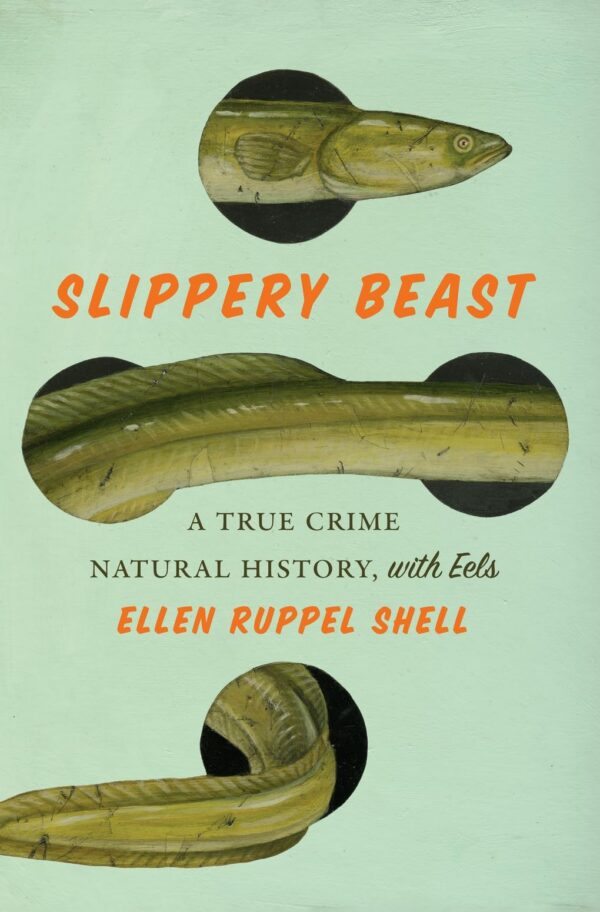
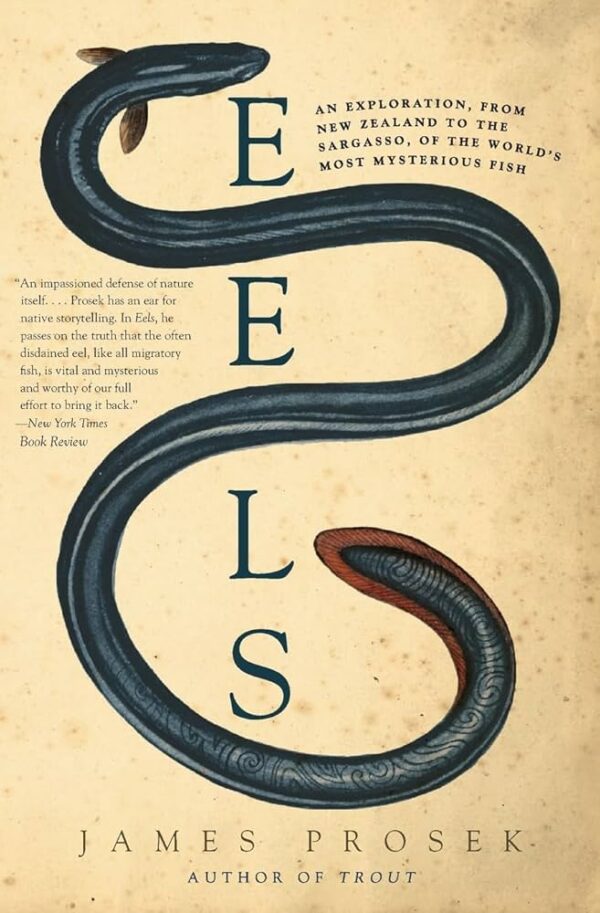
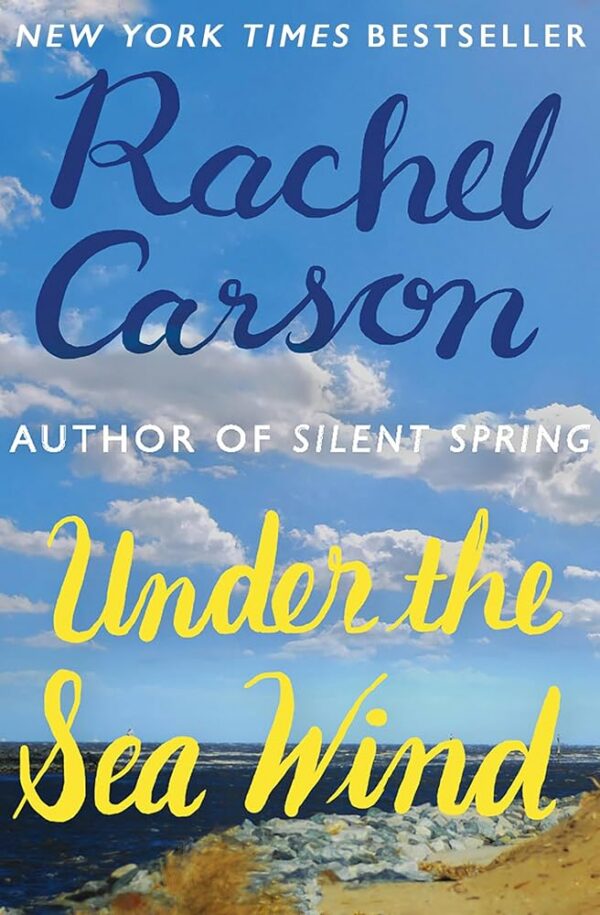
I first read about Freud’s summer studying eels in Patrik Svensson’s fantastic The Book of Eels. I keep a copy of Svensson’s book next to my desk, and I pick it up and reread sections periodically. It’s the best eel book I’ve read, and I’ve read a few. (Slippery Beast by Ellen Rupton Shell is incredibly well researched and informative, as is James Prosek’s book Eels, although the latter spends a little too much time on gastronomy for my taste; and then there’s the section on the American eel in Rachel Carson’s strange and beautiful book Under the Sea Wind which provides a sort-of first-hand account of the life of an eel.)
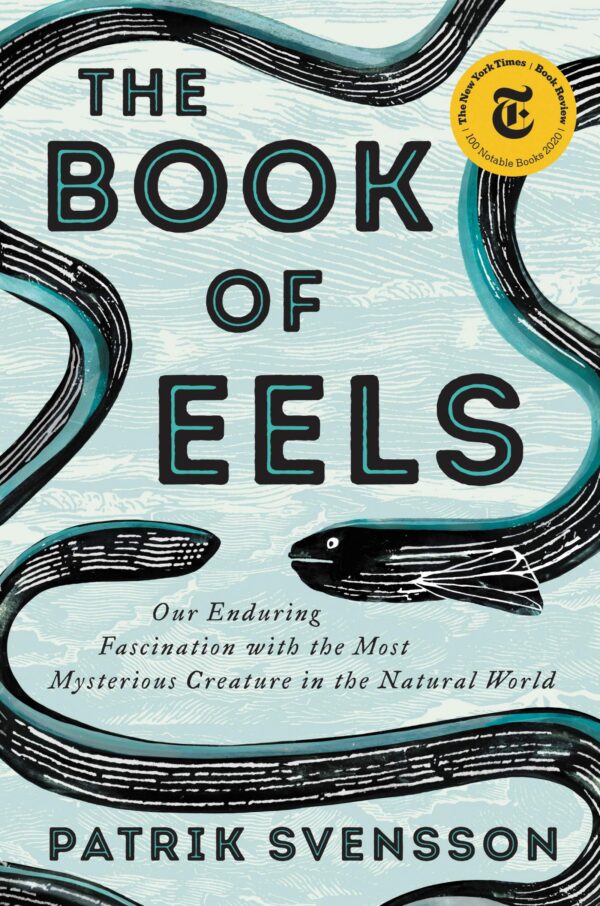
Svensson’s book is part memoir, part natural history. In it, he applies Freud’s theory of “unheimlich”, or the uncanny, to the eel. Freud’s unheimlich, as defined by Svensson, is “the unique unease we experience when something we think we know or understand turns out to be something else. The familiar that suddenly becomes unfamiliar.” Based on the response I get from most people when I bring up eels, this rings true. A lot of people are repelled by eels: they are not a typical fish, though they are a fish; they are not snakes, though they do resemble snakes. What they are is something else altogether; something that is both familiar and unfamiliar at once. Uncanny. Mysterious. Perhaps even a little frightening in appearance, or at least off-putting.
Svensson’s book is full of interesting information about eels and about Svensson’s motivation for researching and writing about eels—which is connected, in part, to his father, and their eel fishing excursions when Svensson was a boy. And like all great books about the natural world, this one is also about what it means to be human in this world: the eel reminds us of the changeability of this life, and how it ends. Eels are enigmatic creatures that have somehow managed to maintain an air of mystery in a world where we otherwise know so much about so much. I find this incredibly refreshing.

Ian holding his beloved copy of Patrik Svensson’s The Book of Eels.
Sometimes I don’t notice when I’ve hijacked a conversation with eel talk until it’s been going on for far too long. That morning at the skatepark was one of those occasions.
Did you know that all American and European eels begin and end their lives in the Sargasso Sea? I asked the student. All of them! Isn’t that amazing? While it was suspected for years, it was only recently confirmed with the use of satellite tags that tracked spawning eels to the Sargasso Sea. Even so, no one has actually seen a mature, spawning eel in the Sargasso Sea. Wild, right?
The student glanced at his skateboard resting on the ground nearby.
Anyway, I said. The book is called The Book of Eels. It’s really good. You should read it. Let’s skate.
And so we did.
Ian Roy is the author of six books, including a new collection of stories called Astrid, Aghast. He lives in Canada.