
Skip to content
logo TNQ
  • Read
    • Dispatches
    • Issues
    • Online Exclusives
    • Under Review
    • Free Archive
      • Poetry
      • Fiction
      • Nonfiction
  • TNQ Presents
    • Wild Writers Literary Festival
    • Writing on the Land: A Wild Writers Retreat
    • The Vestige and TNQ Story
    • Spirit Ink
    • The X-Page Workshop
    • Parallel Careers
  • Subscribe
    • Print Magazine
    • Digital Edition
    • Free Archive
  • Submit
    • Contests
    • Regular Submissions
  • Donate
  • Buy
    • Where to Buy
  • My Account
  • About TNQ
  • Our Team
  • Contact Us
Login
$0.00 0 Cart

Finding the Form with Candice May

By Candice May

I started writing this story a few years ago, immediately after I’d heard of a psychological term called ‘the dead mother complex.’ I was absolutely enthralled by this concept and knew I had to find a way to write about it.

In psychology, a ‘dead mother complex’ describes an emotionally unavailable or absent mother, which is what I thought my story would explore, but it wound up going in a different direction once I started writing; in my story the children’s mother is actually physically dead, but they try to keep her alive, in a way, through their relentless storytelling.

The first draft of this story was twice as long and included two alternating timelines: the sisters in childhood, and also their lives when they are in their twenties. In that version, Casey is pregnant and trying to reconcile becoming a mother amidst Elizabeth’s feelings of betrayal. Because they’d grown up without a mother, they’d made a vow at some point never to become mothers themselves. I recall the ending was pretty out there, as well, with one of the sisters jumping out of an airplane during a crash— with a parachute that wouldn’t open. And there was much more about their lives as adults. But ultimately, I cut all of that after receiving some feedback from a wise reader (thank you, Erika!) and kept the story focused on the sisters in childhood.

In terms of genre, I have always loved the short story form. I enjoy literature that is on the shorter side: songs, flash fiction, prose poetry, and stories. So this piece was always destined to be a short story, and I have explored the topic of estranged families, abandonment, and absent or neglectful parents in some of my other work. I am often inspired by psychological concepts in general, and non-fictional aspects of my own life in particular, but I will probably always lean towards exploring these things via fiction. Like the sisters in this story, I enjoy following the ‘rambling path’ of my imagination, which I believe can lead to — or at least point to — an experience of psychological truth.
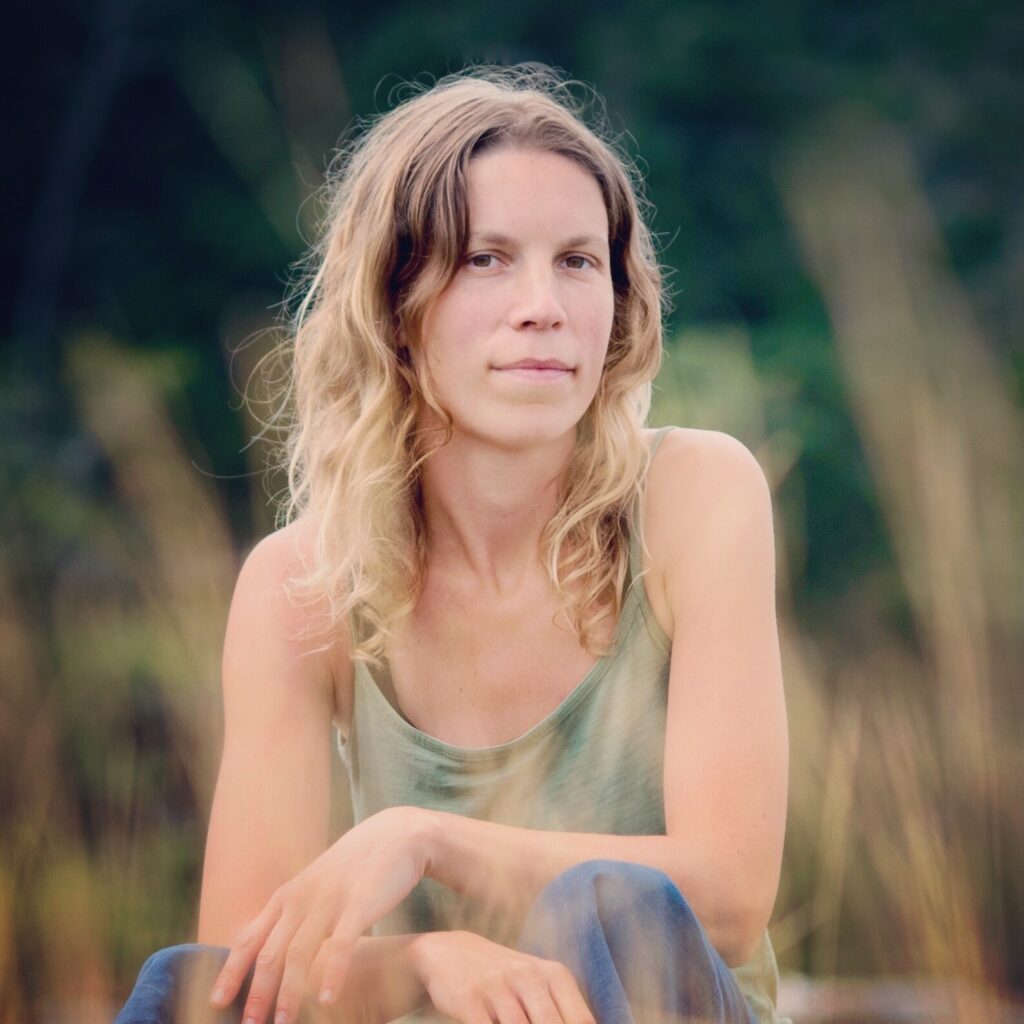
Candice May is a writer from British Columbia. Her work has appeared in Ploughshares, PRISM International, The Masters Review, SmokeLong Quarterly, and elsewhere. She is a graduate of the Book Project at Lighthouse Writers Workshop (2021-2023) and is completing her debut collection of short stories.

Image by lisa runnels from Pixabay

Read more

  • Candice May
  • Finding the Form
  • Writer Resources

Post navigation

Finding the Form with Geoff Martin
What’s Braedan Houtman Reading?

Territorial Acknowledgement

The New Quarterly is based in Waterloo, Ontario, on the traditional territory of the Haudenosaunee, Anishinaabeg, and Neutral Peoples. We acknowledge that this land is part of the Haldimand Tract, the land promised to the Six Nations of the Grand River as part of the Haldimand Proclamation of 1784.

As a literary magazine devoted to storytelling, we recognize that stories have long been a way of knowing, preserving, and sharing in Indigenous cultures. We honour the generations of First Nations, Métis, and Inuit peoples who have cared for these lands and continue to do so. We commit to listening, learning, and amplifying Indigenous voices, and to supporting pathways for truth and reconciliation through the stories we publish.

Facebook-f Instagram Linkedin-in Tiktok X-twitter
  • Privacy Policy
  • Accessibilty

MAGAZINE

  • About
  • Our Team
  • Where to Buy

CONTRIBUTE

  • Submit
  • Volunteer
  • Our Board
  • Donate

CONNECT

  • Contact Us
  • Newsletter

Subscribe to our Newsletter

CONNECT