Skip to content
logo TNQ
  • Read
    • Dispatches
    • Issues
    • Online Exclusives
    • Under Review
    • Free Archive
      • Poetry
      • Fiction
      • Nonfiction
  • TNQ Presents
    • Wild Writers Literary Festival
    • Writing on the Land: A Wild Writers Retreat
    • The Vestige and TNQ Story
    • Spirit Ink
    • The X-Page Workshop
    • Parallel Careers
  • Subscribe
    • Print Magazine
    • Digital Edition
    • Free Archive
  • Submit
    • Contests
    • Regular Submissions
  • Donate
  • Buy
    • Where to Buy
  • My Account
  • About TNQ
  • Our Team
  • Contact Us
Login
$0.00 0 Cart

Finding the Form with gillian harding-russell

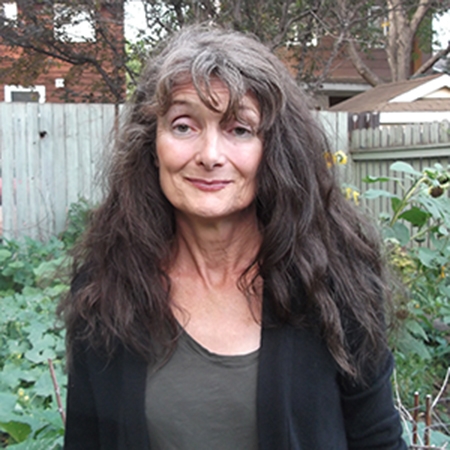
By gillian harding-russell

“Although the square or rectangle of a sheet of paper – short or long, small or large – may influence the shape of the poem, I like to allow the words to find their own voice and presence on a sheet of paper.”

I allow the form to rise from the fall of the words inside my head. Sometimes an image or a phrase will be enough to propel the poem so that everything flows from that kernel. Or sometimes a phrase or a verse becomes a riff that asks to be repeated as anaphora or refrain. Although the square or rectangle of a sheet of paper – short or long, small or large – may influence the shape of the poem, I like to allow the words to find their own voice and presence on a sheet of paper. I cannot write the first draft on the computer. I must feel my way to the shape of the poem by writing by hand using pen or pencil in the initial stages. Once I have completed a first draft, I can revise the piece on the computer but do find myself printing off drafts to view on paper between revisions.

It is true that I prefer left justification (easier to read) and approximately similar length verses (looks tidier) but use that norm as a point of departure for more expressive and varying dramatic lengths. In short, I like the internal music of the line to take hold and allow the line breaks to dramatize the subject matter. I abhor chopped lines, though I have been guilty of them, and sometimes at their most prosy. Sometimes a poem calls for repetition as in a musical score but I listen for unintentional blips of repeated words that lose power on being repeated.

Although I have tried writing in other genres (none published), I long ago decided that I must concentrate on writing poems exclusively so that one day I can write, if not the perfect poem, a couple of good ones that may even be remembered by somebody. (A high hope, indeed…)

gillian harding-russell’s most recent publication is In Another Air (Radiant Press, 2018), which was shortlisted for a Saskatchewan Book Award.

Link Facebook Link

Header courtesy of Ana Cruz on Unsplash

Read more

  • Gillian Harding-Russell
  • Finding the Form
  • Writer Resources

Post navigation

Jeanie Keogh’s Writing Space
Launched: Watermark by Christy Ann Conlin

Territorial Acknowledgement

The New Quarterly is based in Waterloo, Ontario, on the traditional territory of the Haudenosaunee, Anishinaabeg, and Neutral Peoples. We acknowledge that this land is part of the Haldimand Tract, the land promised to the Six Nations of the Grand River as part of the Haldimand Proclamation of 1784.

As a literary magazine devoted to storytelling, we recognize that stories have long been a way of knowing, preserving, and sharing in Indigenous cultures. We honour the generations of First Nations, Métis, and Inuit peoples who have cared for these lands and continue to do so. We commit to listening, learning, and amplifying Indigenous voices, and to supporting pathways for truth and reconciliation through the stories we publish.

Facebook-f Instagram Linkedin-in Tiktok X-twitter
  • Privacy Policy
  • Accessibilty

MAGAZINE

  • About
  • Our Team
  • Where to Buy

CONTRIBUTE

  • Submit
  • Volunteer
  • Our Board
  • Donate

CONNECT

  • Contact Us
  • Newsletter

Subscribe to our Newsletter

CONNECT