
Finding the Form with Glenn Clifton
By Glenn Clifton
I tinkered with “Soil Samples” story for years, mainly making cuts—my favourite part of the revision process is cutting and tightening. The story was close to its current form before the pandemic, before anti-vaxxers seemed to be so close to the centre of public debate.
The story originated from an abstract insight: that if someone believes modern life is brimming with contaminants and thinks vaccines might harm their children, then they should have even more avenues for guilt than other parents. Andi sees mental illness develop in Noah and she thinks she must have allowed the agent of damage in sometime in the past, before she developed her opposition to vaccines. I’m fascinated by the idea that someone might be in a state of misinformation that makes them feel more responsible and conscientious than they need to be. I also wanted to build some sympathy for Andi by flanking her with men who are dismissive of her attempts to support Noah, who think there must be a quick fix for something that might in fact be a lifelong condition. Andi isn’t good at reasoning, but she’s not a bad listener. Richard is just the opposite.
Early in the process, I knew I wanted them to go skiing. This impulse really came from my playwriting background—I didn’t want the story to end up as a series of worried drawing-room conversations, so I had to give them something physical to do. I have great memories of my own family’s skiing outings from childhood, and I liked the idea this family was revisiting a time when Noah seemed more whole. For whatever reason, it took years for me to decide that I should utilize the inherent threat of the ski lift, though it seems structurally obvious.
I’m glad I developed this story before the pandemic. I think I would be harder on Andi now, or maybe something in our culture itself has hardened. If I was first conceiving of the story now I would be more anxious to show I was on the side of the angels, with all the other people who made “good” pandemic choices. The pressure would distort my attempt to understand how Andi thinks. That’s not a good way to write. Conversely, maybe Andi’s guilt would have turned into aggression if she had a convoy protest to join.
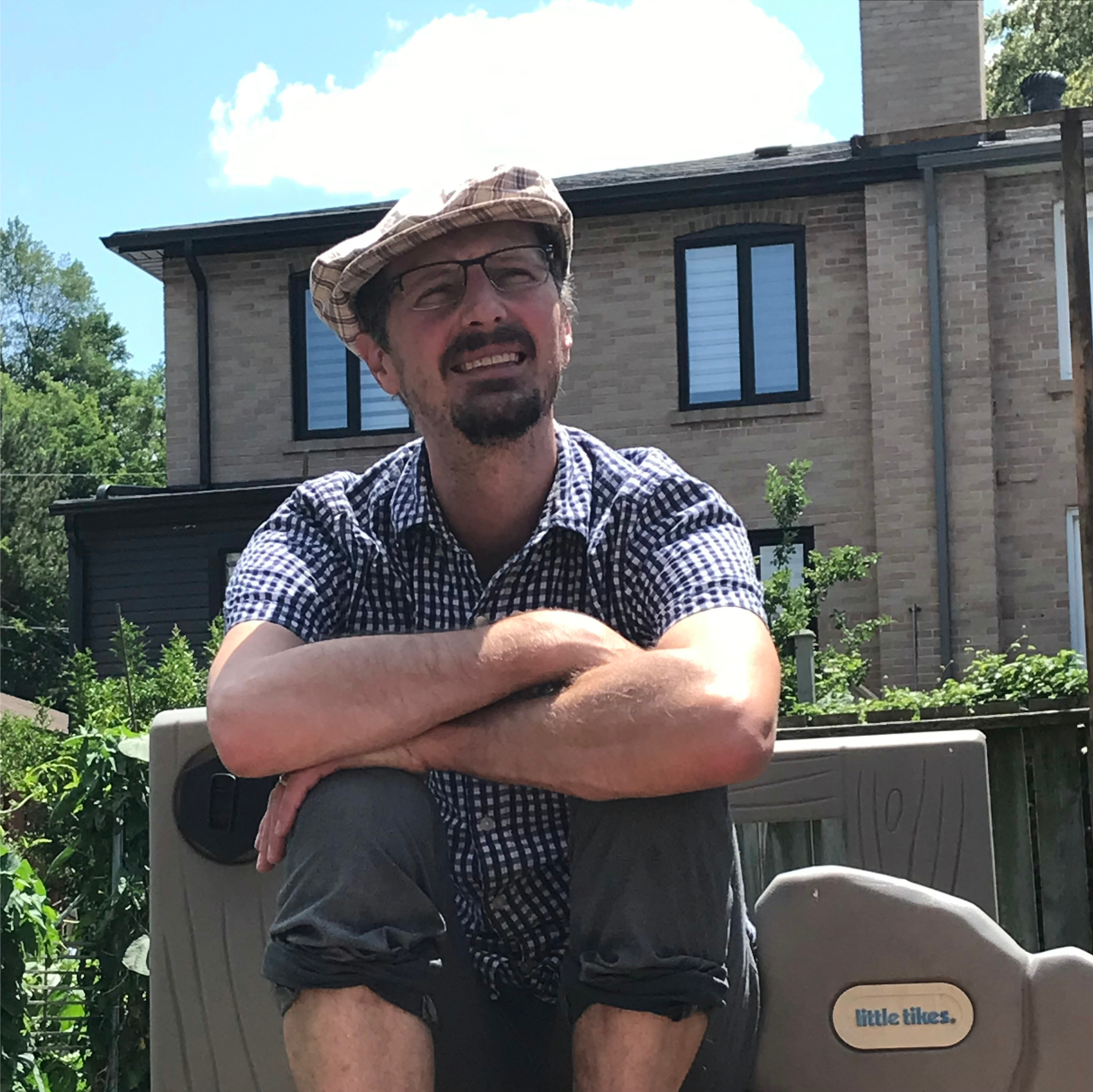
Glenn Clifton (he/him) writes fiction, plays and academic articles. His stories have appeared in The Fiddlehead, SubTerrain, Prairie Fire, On Spec, and other places. His story “Bottom’s Dream” can be found in Year’s Best Canadian Fantasy and Science Fiction, Vol. 1 (Ansible Press). He teaches English and creative writing at Sheridan College.
Photo by Mufid Majnun on Unsplash