
Finding the Swamp with David Huebert
By David Huebert
The news was wildfires. The news was “The Amazon is burning.” The news was Greta, Greta, Greta. Newsfeeds were shredding. The world was imploding, maybe it always had been.
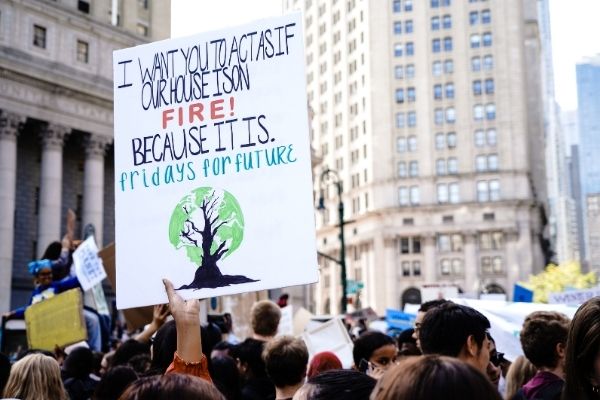
“Swamp Things” started as an attempt to reckon with a gasping world. Conceived and begun shortly after my second child was born and in the midst of the global rise of Extinction Rebellion, #fridaysforfuture, and the Trump administration’s celebration of “freedom gas,” I wanted to ask my two infant daughters questions they weren’t capable of answering. I wanted to explain to them, apologize to them, warn them, protect them, level with them. I wanted to say I’m sorry, we’re sorry.
“You’re sorry?” my hypothetical older children scoffed. “Who cares? Fix it.”
A question I’ve been struggling with for a few years is how to write fiction about oil. Like most environmental issues, petroculture is too polarizing to make for good stories. Oil is good, or it’s evil. Oil is inexcusable—Amitav Ghosh says that it is “an embarrassment verging on the unspeakable”—or economically necessary. But for some reason I’m drawn to it, sensing that it’s not that simple after all.
Eventually, I found the swamp: the vegetal theory of oil origin. Oil, after all, is life, is animals, plants, characters. This realization helped me find Sapphire, a girl profoundly influenced by Alan Moore’s Swamp Thing comics. More oil-adjacent than about oil, “Swamp Things” is the story of a swamp that has been brewing for hundreds of millions of years. It’s the story of a teenage girl trying to navigate the climate crisis while also trying to wade through the sewage of what it means to be a teenage girl today. People exploit her, manipulate her, intoxicate her. She watches flares rise from the stacks, SUVs burning on the 401, a brown fountain spuming out of a gas station—and she’s as implicated in it as the rest of us. There is only one, very simple, story about oil. Yet every story told today is tangential to that tale. Towards the end of “Swamp Things,” there is a moment of hopefully not-too-transparent ars poetica: “we can’t purge or clean up all this filth but maybe we can bend it into beauty.” If you’ve never done so, I recommend doing an online search of “Bitumen.” You will be astonished by how beautiful it is.
“”“You’re sorry?” my hypothetical older children scoffed. “Who cares? Fix it.””“
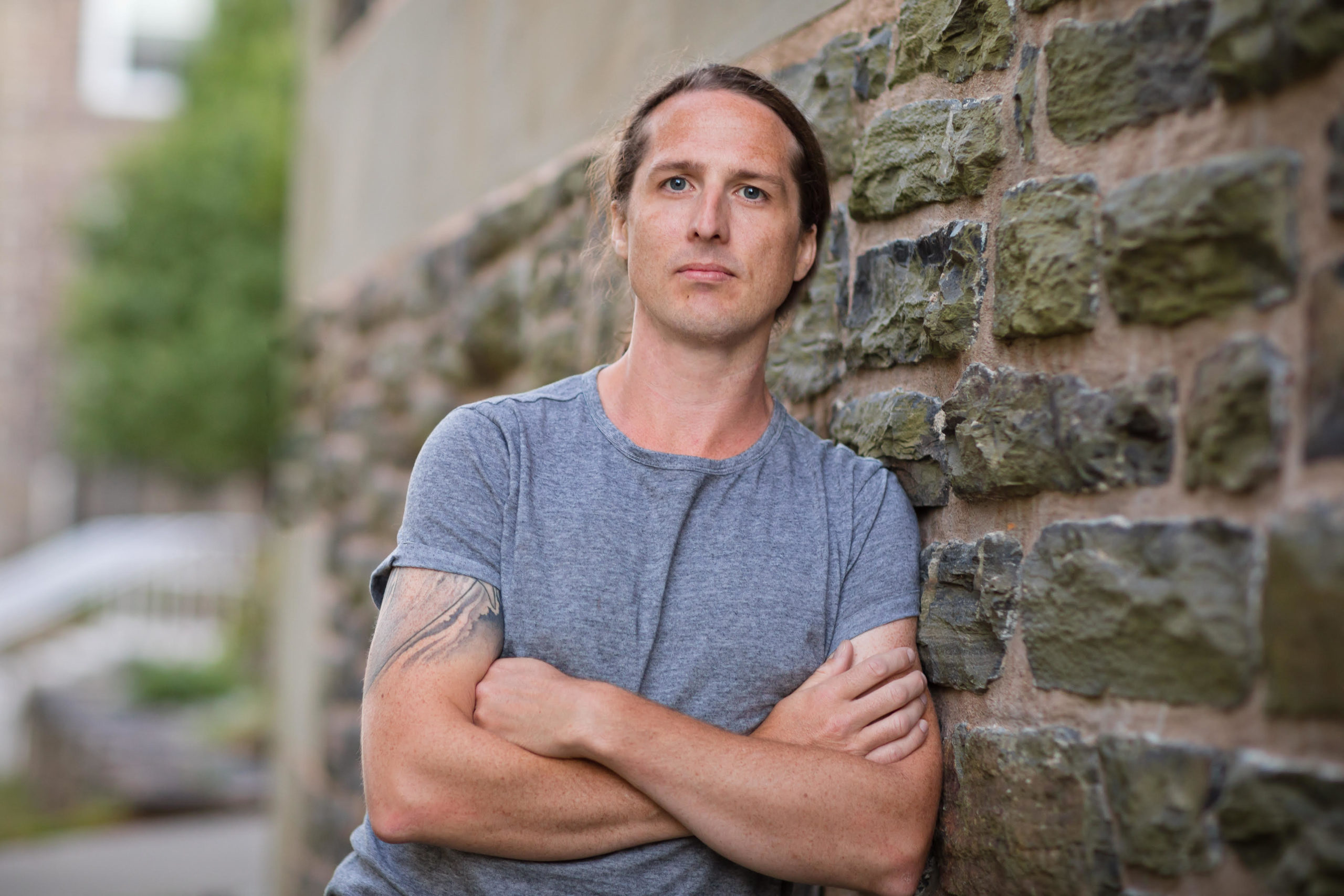
David Huebert’s work has won the CBC Short Story Prize and The Walrus Poetry Prize. David’s fiction debut, Peninsula Sinking, won a Dartmouth Book Award, was shortlisted for the Alistair MacLeod Short Fiction Prize, and was runner-up for the Danuta Gleed Literary Award. His second book of poems, Humanimus, will be published in fall 2020.
Photos courtesy of David Huebert; Malcolm Lightbody; and Katie Rodriguez.