Skip to content
logo TNQ
  • Read
    • Dispatches
    • Issues
    • Online Exclusives
    • Under Review
    • Free Archive
      • Poetry
      • Fiction
      • Nonfiction
  • TNQ Presents
    • Wild Writers Literary Festival
    • Writing on the Land: A Wild Writers Retreat
    • The Vestige and TNQ Story
    • Spirit Ink
    • The X-Page Workshop
    • Parallel Careers
  • Subscribe
    • Print Magazine
    • Digital Edition
    • Free Archive
  • Submit
    • Contests
    • Regular Submissions
  • Donate
  • Buy
    • Where to Buy
  • My Account
  • About TNQ
  • Our Team
  • Contact Us
Login
$0.00 0 Cart

What is Susan Wismer Reading?

By Susan Wismer

The Wild Silence came to me in a wonderful pile of loaner books from my dear poet friend Mary Barnes.  Joy Harjo, Sharon Butala, Richard Powers— hard to know where to start. But my hand went quickly to Raynor Winn’s sequel to The Salt Path.

I am a walker. When all else fails me, I go for a walk. No surprise then that I would pick up a book about a middle-aged couple who decide that a reasonable response to a diagnosis of terminal illness, and the loss of their home, their income and their savings, is to walk England’s SouthWest Coast Path’s 630 up and down miles. That was The Salt Path. Along with (literally) about a million other readers, I was hooked with the first book. Of course I wanted to know what happened next.

The Wild Silence is about finding a home. It’s about ecological restoration on a piece of overworked, neglected farmland. And it’s about illness, health, life, death and the place of writing in all of that. Despite its many successes, the book is unassuming, humble. I loved that about it, perhaps most of all.

Link Instagram

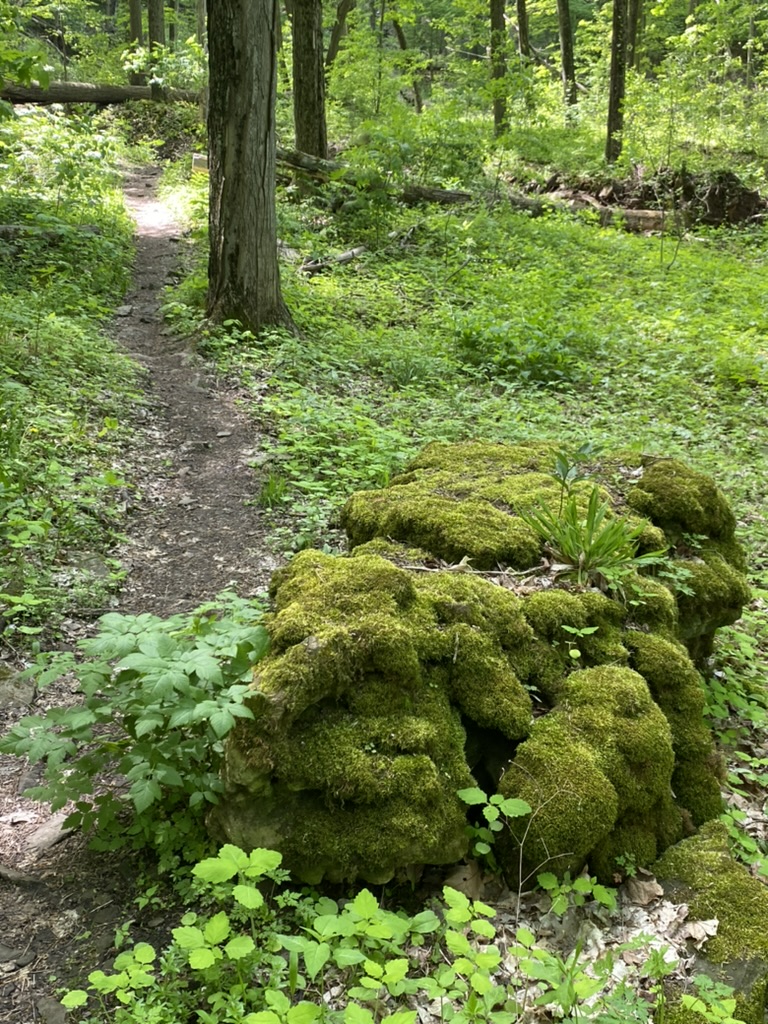
Photo courtesy of Susan Wismer.

Cover photo by Brandi Redd on Unsplash

Read more

  • Susan Wismer
  • Who's Reading What
  • Writer Resources

Post navigation

Tammy Armstrong’s Writing Space
Kate Jenks Landry’s Writing Space

Territorial Acknowledgement

The New Quarterly is based in Waterloo, Ontario, on the traditional territory of the Haudenosaunee, Anishinaabeg, and Neutral Peoples. We acknowledge that this land is part of the Haldimand Tract, the land promised to the Six Nations of the Grand River as part of the Haldimand Proclamation of 1784.

As a literary magazine devoted to storytelling, we recognize that stories have long been a way of knowing, preserving, and sharing in Indigenous cultures. We honour the generations of First Nations, Métis, and Inuit peoples who have cared for these lands and continue to do so. We commit to listening, learning, and amplifying Indigenous voices, and to supporting pathways for truth and reconciliation through the stories we publish.

Facebook-f Instagram Linkedin-in Tiktok X-twitter
  • Privacy Policy
  • Accessibilty

MAGAZINE

  • About
  • Our Team
  • Where to Buy

CONTRIBUTE

  • Submit
  • Volunteer
  • Our Board
  • Donate

CONNECT

  • Contact Us
  • Newsletter

Subscribe to our Newsletter

CONNECT