Skip to content
logo TNQ
  • Read
    • Dispatches
    • Issues
    • Online Exclusives
    • Under Review
    • Free Archive
      • Poetry
      • Fiction
      • Nonfiction
  • TNQ Presents
    • Wild Writers Literary Festival
    • Writing on the Land: A Wild Writers Retreat
    • The Vestige and TNQ Story
    • Spirit Ink
    • The X-Page Workshop
    • Parallel Careers
  • Subscribe
    • Print Magazine
    • Digital Edition
    • Free Archive
  • Submit
    • Contests
    • Regular Submissions
  • Donate
  • Buy
    • Where to Buy
  • My Account
  • About TNQ
  • Our Team
  • Contact Us
Login
$0.00 0 Cart

Finding the Form with Nayani Jensen

By Nayani Jensen

Sometimes I’ll tinker with a poem for ages, and sometimes it arrives nearly whole, which was the case for Woodland Ghost.

It was written at the height of the pandemic—I was living in the UK, and attending a virtual writing workshop set in the local woodland, which had been closed for lockdown. I wanted to capture something about the fluid feeling of time at that point, and the melancholy of not-quite being part of a place. I write prose more often than poetry, and for me poetry often feels like a sketch—a little creative treat, usually with a single idea or image.

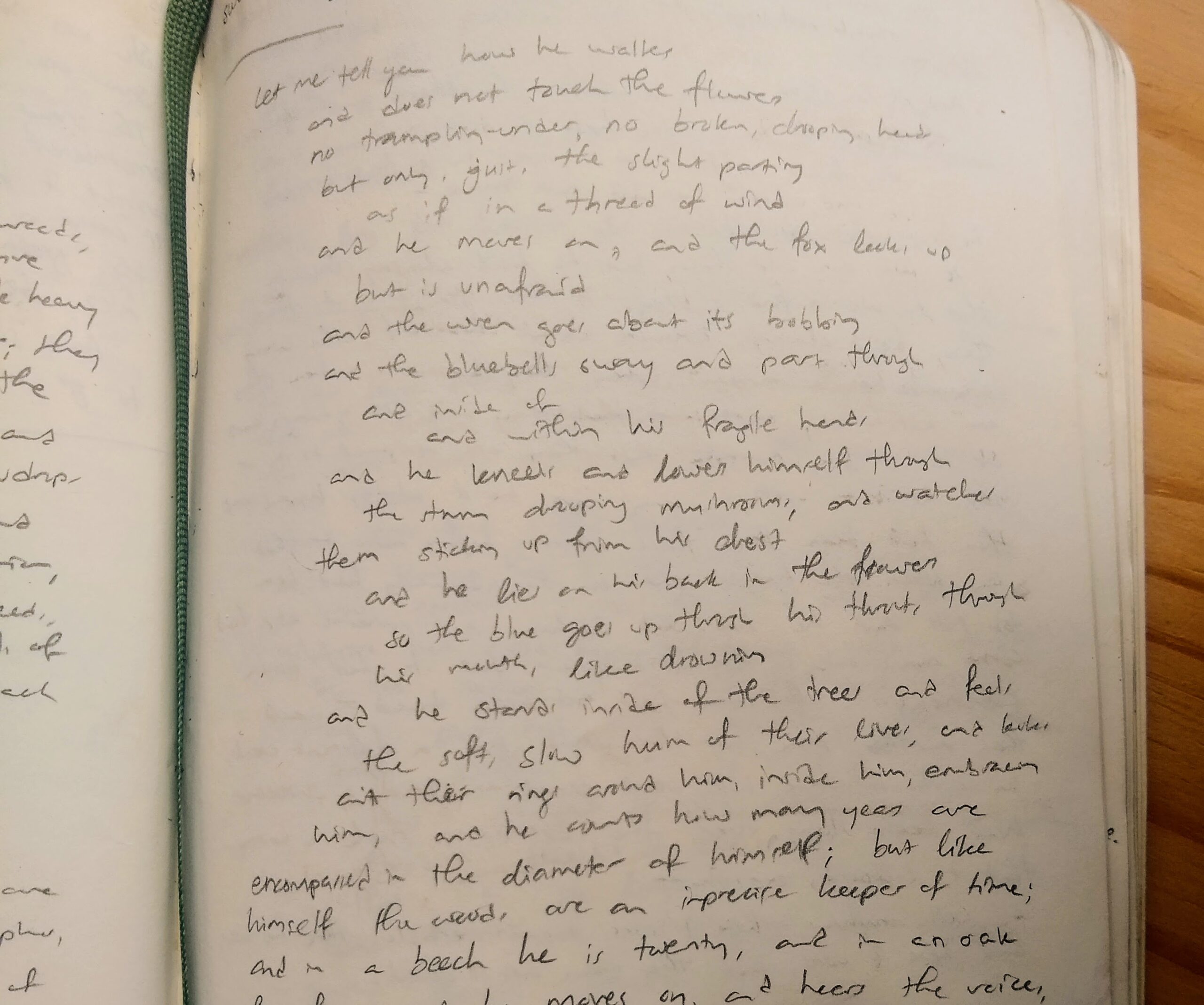
I always write poetry longhand first (and generally do the same for prose)—it feels freer, and even though I end up tinkering with the words, there’s something special about their first handwritten form. I was surprised, going back to my notebook, to realize how little the poem had changed from its earliest draft. I was dissatisfied with the original ending, and tried many options before realizing that a better ending was already there, floating around partway through the poem. I cut the final stanza, and rearranged the end. The rest of the poem remained nearly unchanged, aside from minor edits.

It’s sometimes embarrassing to accept that almost everything significant in a piece was created right at the start, and everything else has been miniscule adjustments. But it also reminded me of the value of revision—work where it often looks like nothing much is happening, but in which the entire piece becomes tighter and sharper and closer to its original intention.

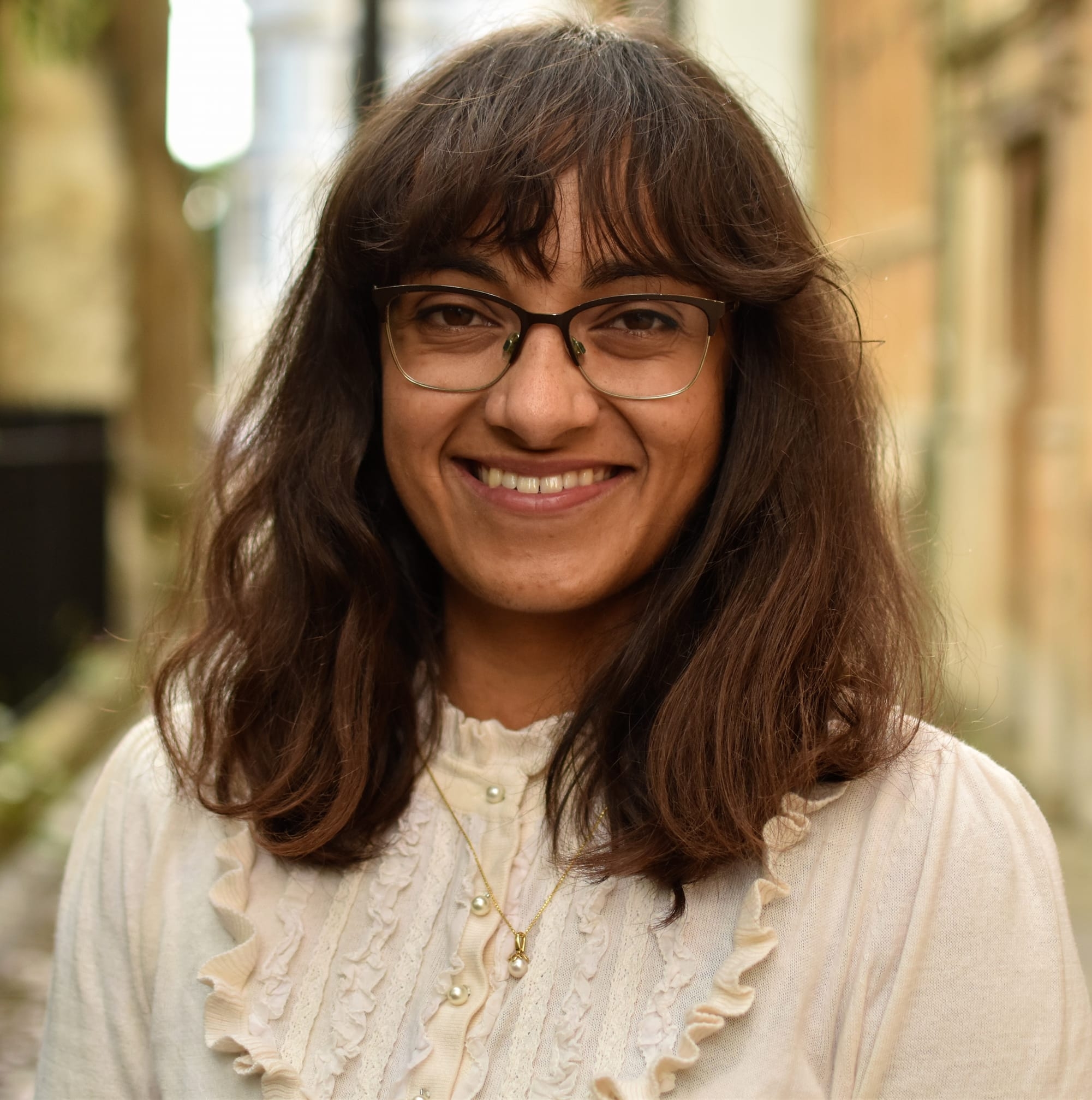
Nayani Jensen is a writer and historian of science from Halifax, Nova Scotia. Initially a Mechanical Engineer, she received a Rhodes Scholarship and went on to study English Literature and History of Science at the University of Oxford. In both her academic and creative work, she is interested in interdisciplinary approaches to history, climate, and fiction. Her work has appeared in Augur Magazine, The ASH Oxford Journal, and on bus routes around Halifax as part of the Poetry in Motion project. 

Link Instagram

Photo by Aaron Burden on Unsplash

Read more

  • Nayani Jensen
  • Finding the Form
  • Writer Resources

Post navigation

The 2023 Edna Staebler Personal Essay Contest Results
What’s Andrew Westoll Reading?

Territorial Acknowledgement

The New Quarterly is based in Waterloo, Ontario, on the traditional territory of the Haudenosaunee, Anishinaabeg, and Neutral Peoples. We acknowledge that this land is part of the Haldimand Tract, the land promised to the Six Nations of the Grand River as part of the Haldimand Proclamation of 1784.

As a literary magazine devoted to storytelling, we recognize that stories have long been a way of knowing, preserving, and sharing in Indigenous cultures. We honour the generations of First Nations, Métis, and Inuit peoples who have cared for these lands and continue to do so. We commit to listening, learning, and amplifying Indigenous voices, and to supporting pathways for truth and reconciliation through the stories we publish.

Facebook-f Instagram Linkedin-in Tiktok X-twitter
  • Privacy Policy
  • Accessibilty

MAGAZINE

  • About
  • Our Team
  • Where to Buy

CONTRIBUTE

  • Submit
  • Volunteer
  • Our Board
  • Donate

CONNECT

  • Contact Us
  • Newsletter

Subscribe to our Newsletter

CONNECT