TNQ Pride Month Reading List
By Selena Mercuri, Reviews Editor
In celebration of Pride Month, this reading list highlights books by queer authors published in 2025 and 2026 across fiction, poetry, memoir, graphic novels, and speculative writing. These works explore a wide range of experiences and themes, including identity, family, disability, migration, love, grief, friendship, survival, and belonging. Together, they reflect the breadth of contemporary queer writing, bringing together emerging voices and established authors whose work is shaping literary conversations in Canada and beyond. With thirty titles included, this list offers a different book to discover for every day of Pride Month.
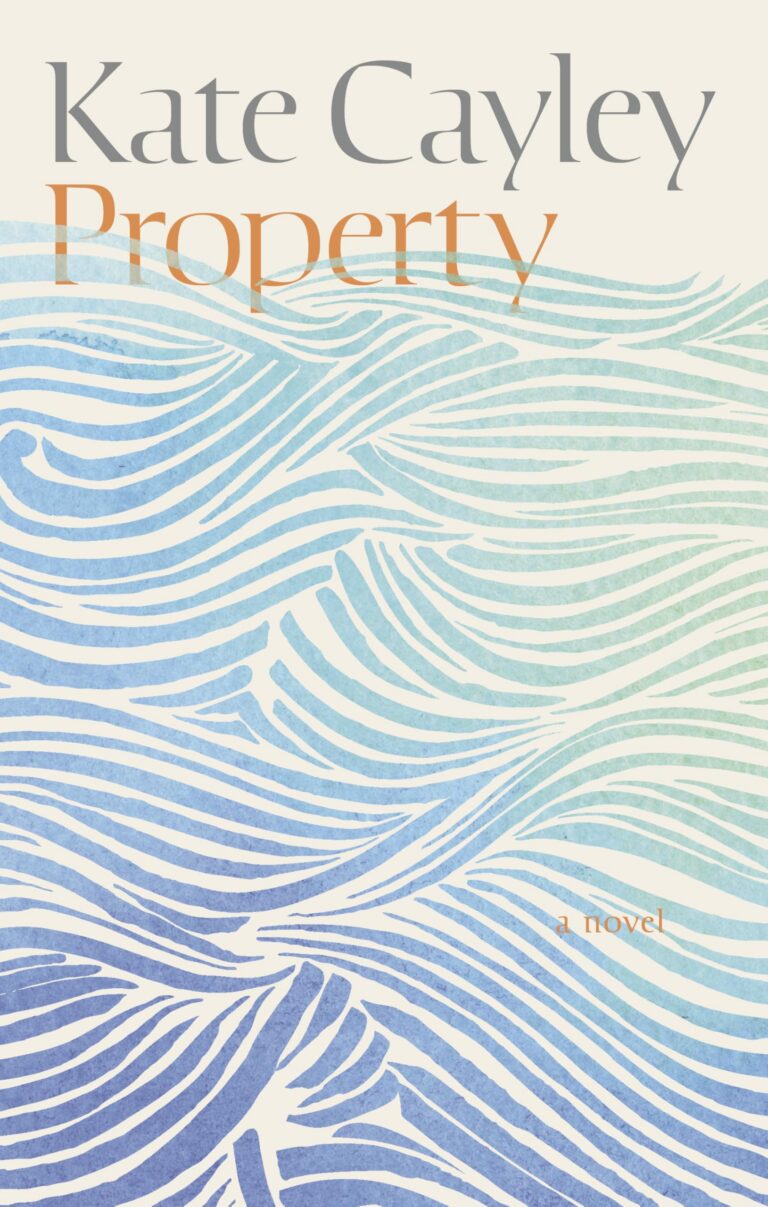
1. Property
by Kate Cayley
struggles to renovate a fixer-upper, but a buried stream threatens to flood the basement. An old woman eyes the street through the gap in her curtains. A lonely man wanders. As the troubled residents stumble through their errands, navigating the thorniness of class and privilege, of queer respectability and friendship in an overstretched city, each seemingly inconsequential exchange tightens in around the neighbourhood, until finally tragedy strikes, leaving it forever changed.
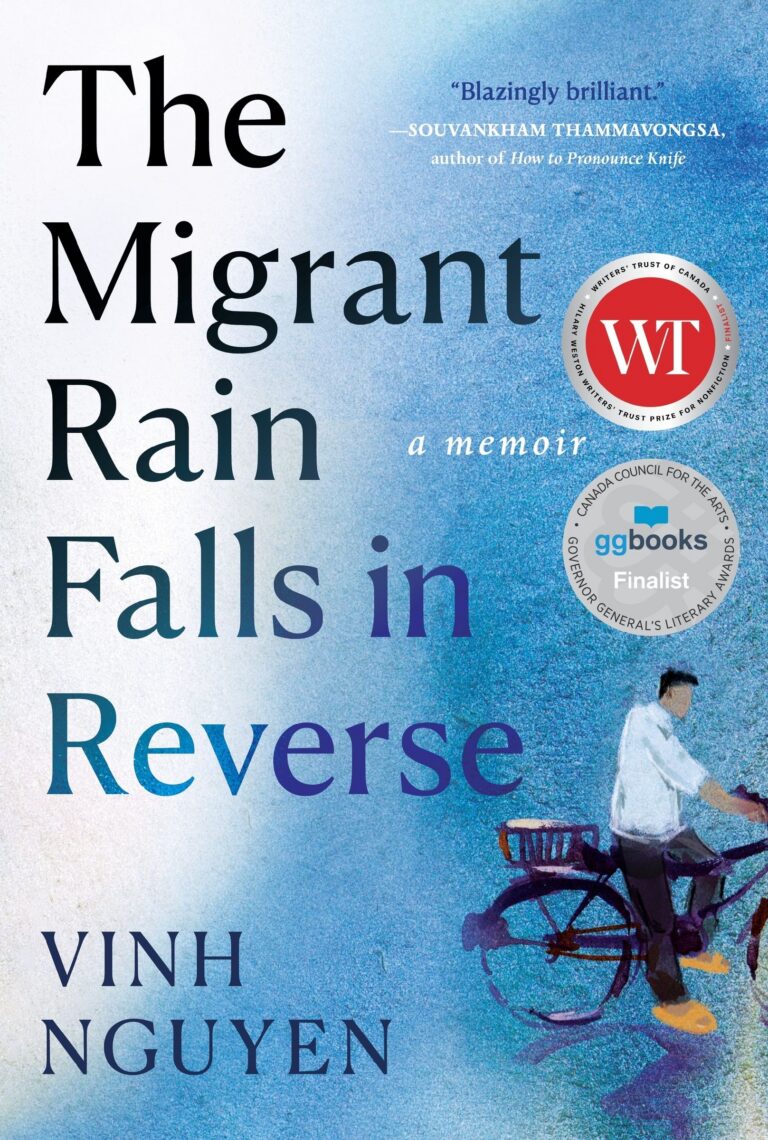
2. The Migrant Rain Falls in Reverse
by Vinh Nguyen
An inventive memoir about one family’s escape from Vietnam and the father’s mysterious disappearance along the way. This book is an intricate exploration of a searching mind, shedding light on the psyche of a grieving son, as he chases certainty and seeks elusive resolution. With the Fall of Saigon on April 30, 1975, the U.S. war in Vietnam ended, but the refugee crisis was only beginning. Among the millions of people who fled Vietnam by boat was Vinh Nguyen, along with his mother and siblings, and his father, who left separately and then mysteriously vanished. Decades later,
Nguyen goes looking for answers. What he discovers is a sea of questions drifting above sunken truths. To find his father—and anchor himself in the present—Nguyen must piece together the debris of history with family stories that have been scattered across generations and continents, kept for years in broken hearts and guarded silences.
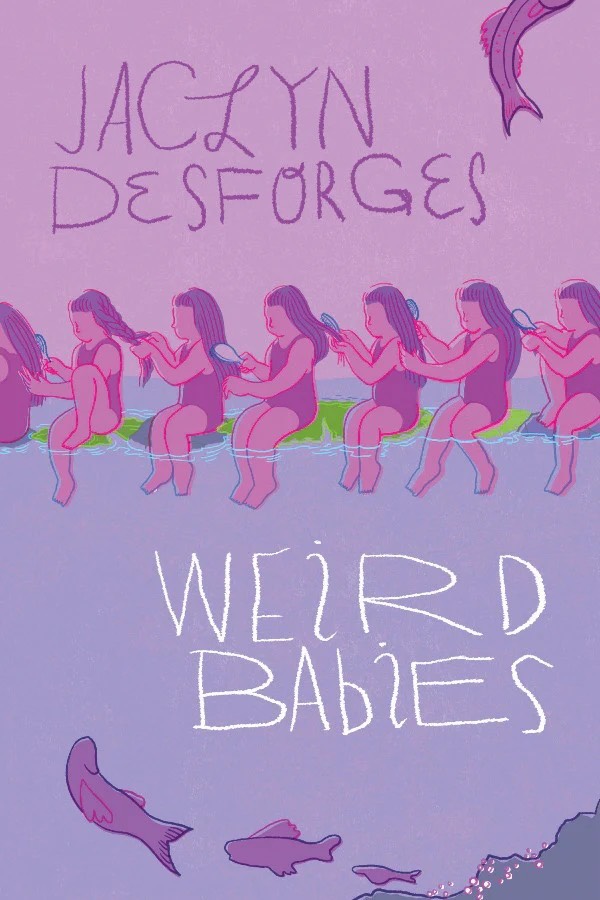
3. Weird Babies
by Jaclyn Desforges
Weird Babies is a short story collection about weird babies: a miraculous set of reincarnated quadruplets, babies born from the bellies of trout, babies who are destined to molt like tarantulas, babies who hatch from piles of warm clothes. It’s also about the weird baby living in each of us—the tenderest part of ourselves that longs, at whatever the cost, to be loved. Stories from Weird Babies have appeared in The Ex-Puritan, The Temz Review, Minola Review, and CRAFT Literary. They were also nominated for the Best Of The Net Award (2025), Best American Science Fiction And Fantasy (2024), and Best American Short Stories (2024); were finalists for the Room Magazine Fiction Contest (2024), the CRAFT Short Fiction Prize (2023), and the 2024 CRAFT Novelette Print Prize; and were winners of the Short Works Prize (2019), and the RBC/PEN Canada New Voices Award (2018).
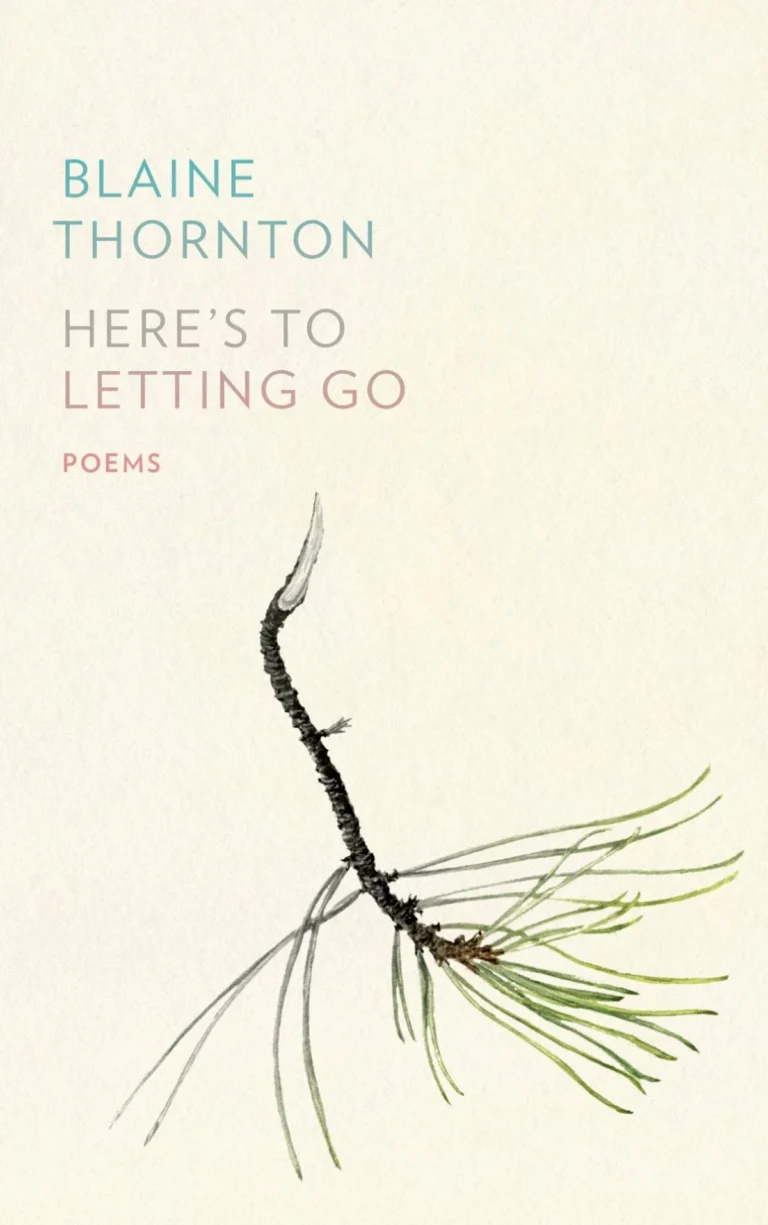
4. Here’s to Letting Go
by Blaine Thornton
Here’s to Letting Go weaves through the memories of a child seeking safety that was never found at home. Thornton shares the challenge of escape to only find shelter under the northern pines, unsafe rooming houses, and couches that came with the worst cost. An unfiltered view from a young trans,
non-binary person who desperately sought help but could bring yet more danger. This poetry memoir shines a light on what it takes to survive a childhood of chaos and danger and find a path towards acceptance and healing.
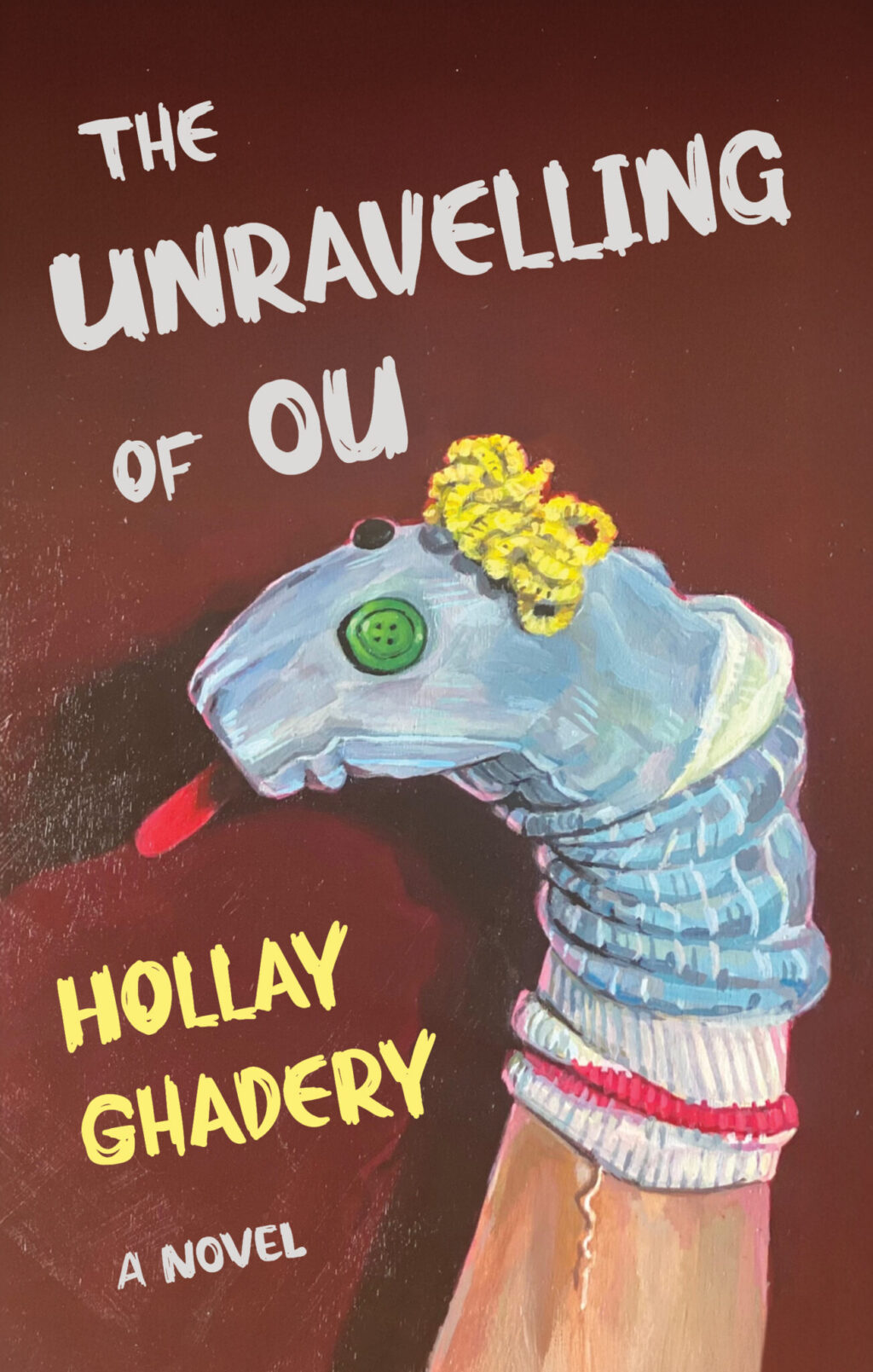
5. The Unravelling of Ou
by Hollay Ghadery
Moving on is hard. Even harder when it’s from a make-believe friend—someone, or in this instance, something—who’s been your strongest source of support. On what should be one of the happiest days ever, the day her granddaughter is born, Minoo is faced with a terrible choice: make a clean
break from her constant companion, a sock puppet named Ecology Paul, or lose her daughter and granddaughter, and maybe all of the people she loves. On an emotional drive home from the hospital, Ecology Paul shares the story of how Minoo got to this point, recalling Minoo’s early teenage pregnancy in Iran, her exile to Canada, her questions about her sexuality, and how a ragtag sock puppet came to her when she desperately needed to be seen. Full of imagination, whimsy and heart, The Unravelling of Ou follows Minoo’s struggles to justify the puppet’s existence and untangle herself from her dependence on it, and reconnect with the people she loves.
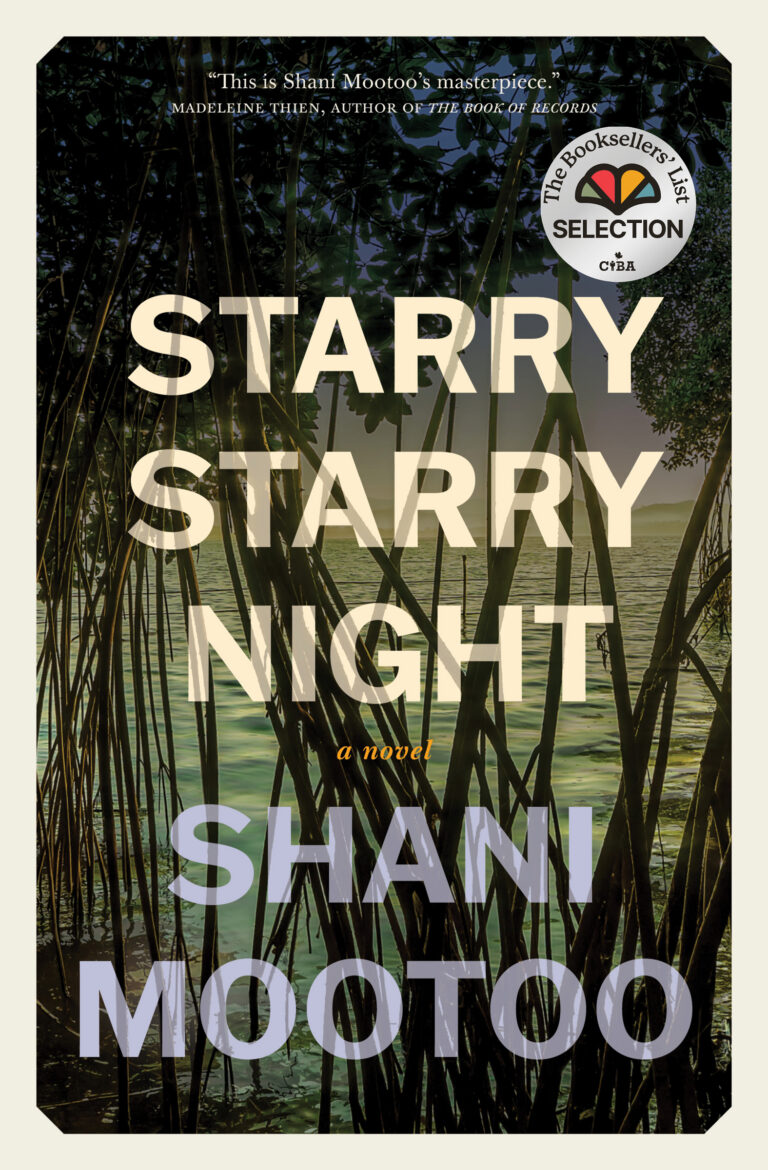
6. Starry Starry Night
by Shani Mootoo
From celebrated writer Shani Mootoo comes an innovative and revelatory work of autofiction about family secrets, trauma, race, class, and loss. In Starry Starry Night, Mootoo gives us the singular voice of Anju Ghoshal, a young girl living in 1960s Trinidad. Through Anju’s innocent and clear-
eyed observations, the reader becomes both a witness to and a participant in her negotiations of an unexpectedly new and complex life, spanning from the ages of four to twelve. Set against the backdrop of a politically exciting time in Trinidad’s history, just before and after it gained independence, we meet Anju’s beloved Ma and Pa and her socially advancing family. While
preoccupied with their own dramas, the adults around her often fail to recognize the needs of the children who depend on them. Beautifully crafted and rich with sumptuous detail, this unique narrative coalesces into a portrait of a child who, despite her privileged appearance, must ultimately fend for herself because her safety depends on it.
7. Syncopation
by Whitney French
In the aftermath of a Memory War, society is fragmented into strange new cultures, castes and coalitions. Set against a backdrop of retrofitted food garages, microchip-sorting factories and hyperloop terminals, Whitney French brings us a dazzling novel in verse where memory is the highest currency and love, like all revolutions, is dangerous, unruly and singed with hope. O and Z are two young women searching for purpose in a world where a decades-long earthquake reverberates through the Earth’s crust, and the population scrambles to hide from deadly acid rain. Descended from space
pirates, O is drawn to the sky, while Z is earthbound, a skilled forager with connections to the black market. The two become travel companions and lovers until, torn between choosing their values or each other, a fateful decision must be made at the el Corazón space station. In this speculative and intoxicating novel, French offers readers an intricate future-world that resonates so powerfully with our own, as it explores a people gripped in the war-torn politics of migration, memory-keeping, labour and survival.

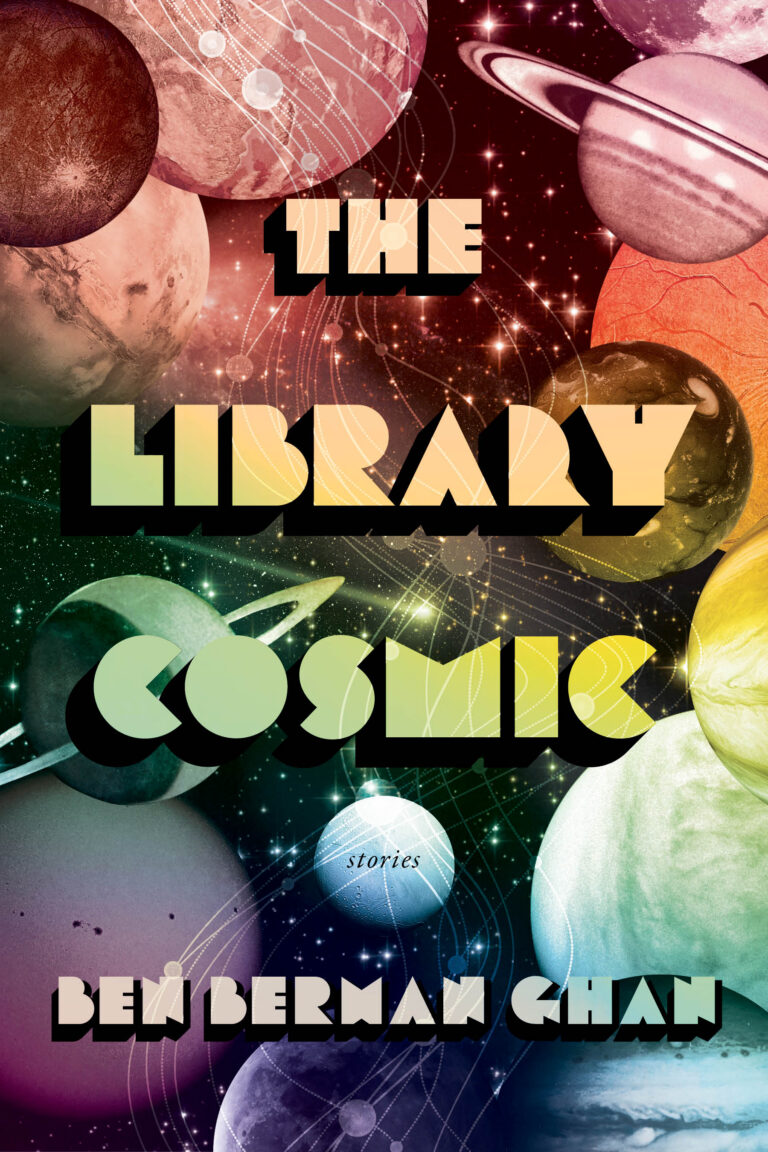
8. The Library Cosmic
by Ben Berman Ghan
The child lies in the snowy north, where the halls of essays are heavy with the thoughts of poets and politicians and philosophers. There are no flowers for her. There is only a gathering of found family, who stand uncertain in the Librarian’s shadow. In this fabulous and moving collection of short stories Benjamin Berman Ghan traverses time, space and the written word to consider the mysteries of life. From ghosts to golems to far future AIs these stories ask the big questions: What is consciousness? What gives a being its soul? What are the boundaries of love? And, perhaps most importantly, how
will libraries save us all?
9. The Paris Express
by Emma Donoghue
From the author of Room, The Wonder, and The Pull of the Stars comes a taut and suspenseful historical novel that reimagines an 1895 French railway disaster, an event famously documented in dramatic photographs. The Paris Express is set over a single day, as the morning train travels from the Normandy coast to the capital. Men, women, and children from all over the world take their seats in the passenger cars, which are divided by wealth and status. Among the passengers is an anarchist intent on destruction, a young boy travelling alone, a pregnant woman fleeing her home village for the anonymity of the big city, a medical student who suspects a girl may have a fatal disease, and the railway crew, devoted to the train, to the company, and to each other. Based on an 1895 catastrophe that was captured in a series of surreal photographs, The Paris Express is a thrilling ride and a literary masterpiece full of the politics, fears, and chaos of an era not unlike our own.

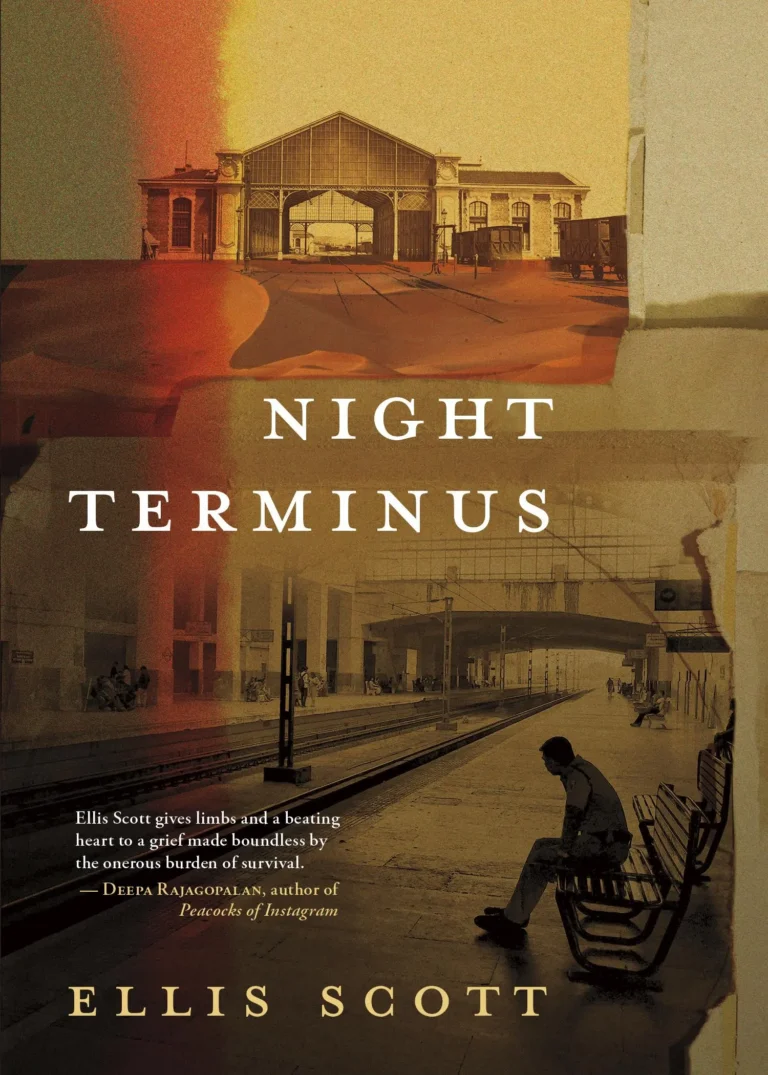
10. Night Terminus
by Ellis Scott
An evocative debut novel reflecting the determination and resilience of a gay diaspora as it faced extinction. Beginning with a chance encounter in 1985, an unnamed narrator embarks on a physical and spiritual sojourn over four decades. From a one-night stand in Paris with the troubled and enigmatic Louis; to Montreal, through a divided Europe, and into the Iranian desert with the sick yet determined Yuri; and finally to Provence, where he meets the gregarious but wistful Frank, the narrator encounters a cast of exiles, fugitives, rebels, and artists. In a journey across continents and decades, we watch the impacts of one of the greatest health crises of the last hundred years through the eyes of those who both survived it and must now remember those who didn’t. At once an odyssey through time and a love story to the narrator’s found family, this haunting, lyrical novel in five parts explores questions of grief, statelessness, and memory and is a meditation on survival in the age of AIDS.
11. The Dad Rock that Made Me a Woman
by Niko Stratis
A memoir-in-essays on transness, dad rock, and the music that saves us. When Wilco’s 2007 album Sky Blue Sky was infamously criticized as “dad rock,” Niko Stratis was a twenty-five-year-old closeted trans woman working in her dad’s glass shop in the Yukon Territory. As she sought escape from her hypermasculine environment, Stratis found an unlikely lifeline amid dad rock’s emotionally open and honest music. Listening to dad rock, Stratis could access worlds beyond her own and imagine a path forward. In taut, searing essays rendered in propulsive and unguarded prose, Stratis delves into the emotional core of bands like Wilco and The National, telling her story through the dad rock that accompanied her along the way. She found footing in Michael Stipe’s allusions to queer longing, Radiohead’s embrace of unknowability, and Bruce Springsteen’s very trans desire to “change
my clothes my hair my face”—and she found in artists like Neko Case and Sharon Van Etten that the label transcends gender. A love letter to the music that saves us and a tribute to dads like Stratis’s own who embody the tenderness at the genre’s heart, The Dad Rock That Made Me a Woman rejoices in music unafraid to bare its soul.

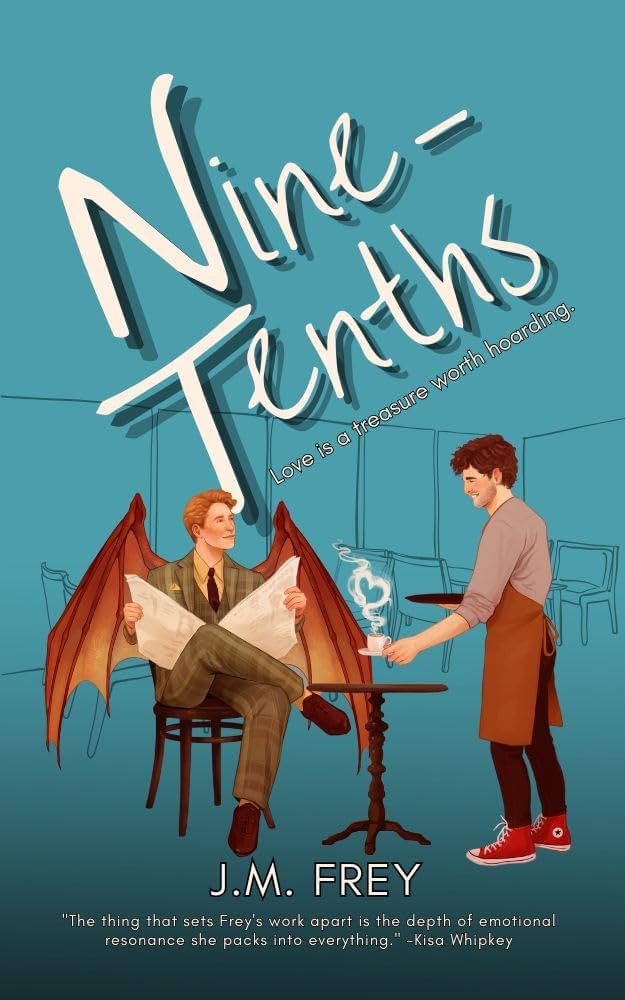
12. Nine-Tenths
by J.M. Frey
Colin Levesque is at loose ends. He’s finished university, but has no career; he adores romance novels, but he’s crap at relationships; and his prickliness is a detriment at the café where he’s making ends meet. He also has a crush on his regular Dav, a homo draconis who comes in every morning to read his newspaper, sip his double-strong coffee, and stare longingly at Colin in return. So it figures that the day Colin gets up the courage to do something about the sexual tension simmering between them, he also learns that Dav has an embarrassing habit of hiccupping fire when he’s nervous. Which, in this case, destroys the fancy custom-made bean roaster. When Dav volunteers to take over the coffee roasting with his fire-breath, being squished together in the hot, cramped kitchen leads to even hotter kisses. Everything’s finally happening for Colin—until people start claiming the dragon-roasted coffee has cured their genetic ailments. As their budding relationship struggles under the scrutiny of scientists and media, the hype around the coffee leads the lovers to be inducted into a centuries-old conspiracy: dragon-roasted food has always healed humans. And the most powerful draconic nobles have been withholding this symbiotic advantage to keep themselves on top. Colin and Dav are determined to expose the truth, but if they’re not careful, their objections could goad power-mad monarchs into destroying everything they hold dear.
13. Dark Thoughts and Other Stories
by Hope Thompson
Dark Thoughts is a collection of eleven stories linked by a noir aesthetic; characters are cornered, caught, and facing their own demise. An advice columnist receives a letter from a murderer and discovers she is the next intended victim. A drifter obsessed with the exploits of a serial killer falls in
love, and into a trap. A painter contemplates her final brush stroke—with death. Set on city streets from the 1930s and 50s, to the present day and beyond, these stories bristle with the grit of noir. While some are lighter, and others darker, all are about people forced by circumstance to escape their
situation—or die trying.

14. Infinite Audition
by Charlie Petch
Infinite Audition is a work that explores all spoken word poetry can be. The sections range from solo performance, to musical, dance and puppetry collaborations, to monologues and audition pieces for trans and non-binary actors from Petch’s theatrical and operatic works. Each poem is its own little world: sometimes it is the voice of a hotel, a closet, Medusa’s serpent, or surgically removed body parts out for a night on the town. Expect only the unexpected.

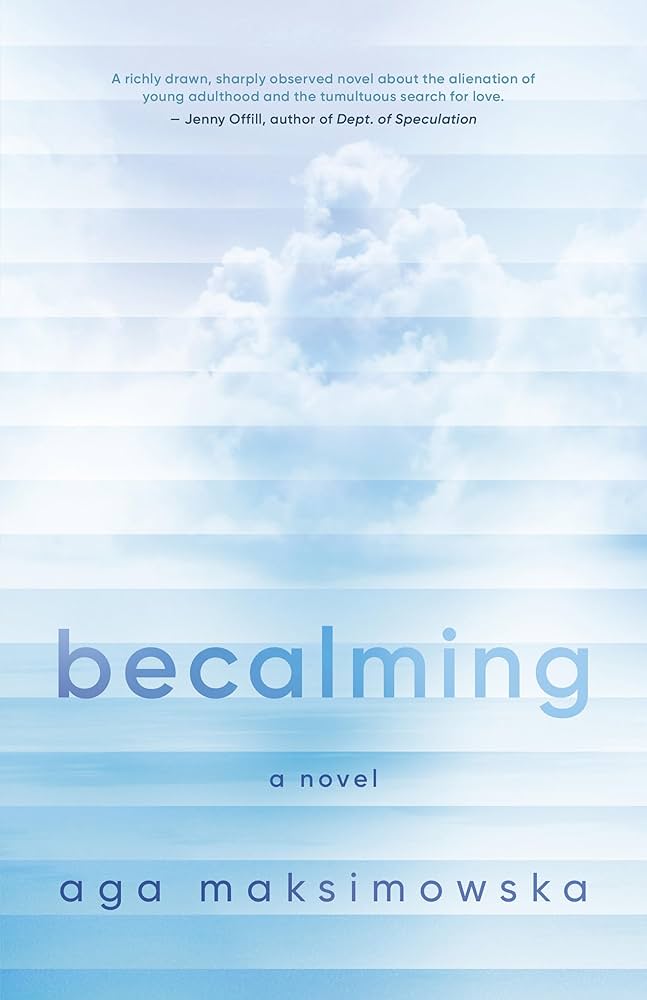
15. A Kiss of Crimson Ash
by Anuja Varghese
The first book in a new medieval India-inspired fantasy trilogy from a remarkable Canadian talent, A Kiss of Crimson Ash teems with rich storytelling, lush worldbuilding, and spice of every variety. Taara, the pious newly crowned Queen of Abhaya, a resource-rich city-state, must marry whether she wishes to or not. Her betrothed is Garjan, Prince of Nandapore, a neighbouring city-state full of secrets and spellcasters. His forbidden love is Bhediya, a courtesan with magic in her blood. And then
there is Roland, a thief by trade, attached to nothing and no one, who stumbles into a power-hungry king’s plot to unearth a weapon that has only lived in myth…until now. Linked by desire, destiny, and a dangerous foe, these four must summon the power of an ancient goddess and chart a course through the empire’s brothels, temples, taverns, and palaces, forcing them to confront the darkest kinds of magic and the truest parts of themselves—before it’s too late. Locked in a battle that will reshape the empire, they each must decide: What will they risk for a weapon worth dying for, and a love worth life itself?
16. Becalming
by Aga Maksimowska
Gosia feels stalled in her life, but a family trip opens her eyes to the life she has…and the life she wants. Gosia, a high school chemistry teacher, travels to her native Poland to visit her estranged father. Back in Canada, meanwhile, her father-in-law—who has been more of a dad to her than her
own—is dying of cancer. Away from her routine, Gosia questions everything in her life, including her long-term boyfriend, Peter. She feels stuck in the terrifying time of early adulthood, in her first grown-up job while managing student debt, monogamy, and existential dread. Is this really it, she wonders? Gosia’s time in Poland gives her the chance to examine her life, and she finds herself pulled homeward to Canada, where she faces the fact that Peter’s father—like her own—is far from perfect. Can she love despite betrayal? Can she find hope in her fiery, complex love for Peter? Is there something more to this life that she didn’t even realize she had? Becalming tells the story of two people realizing that happily ever after is not something to be but something to continue to explore, through adversity and outrage, tragedy and inspiration, and love.
17. I Used to Be a Pisces
by Camilla Gibb
I Used to Be a Pisces is a deeply felt meditation on love and belonging, exploring changing landscapes, loves, and selves. In these poems, accompanied by her original collage work, Gibb generously invites us to engage with our surroundings, recognize the relationships that shape our existence, and examine our longing for restoration and regeneration. Grappling with what it means to feel at home in a time of upheaval, and woven through with threads of hope, grief, and the persistent pursuit of renewal, I Used to Be a Pisces is a masterful poetic work from one of the country’s most
beloved and celebrated authors.

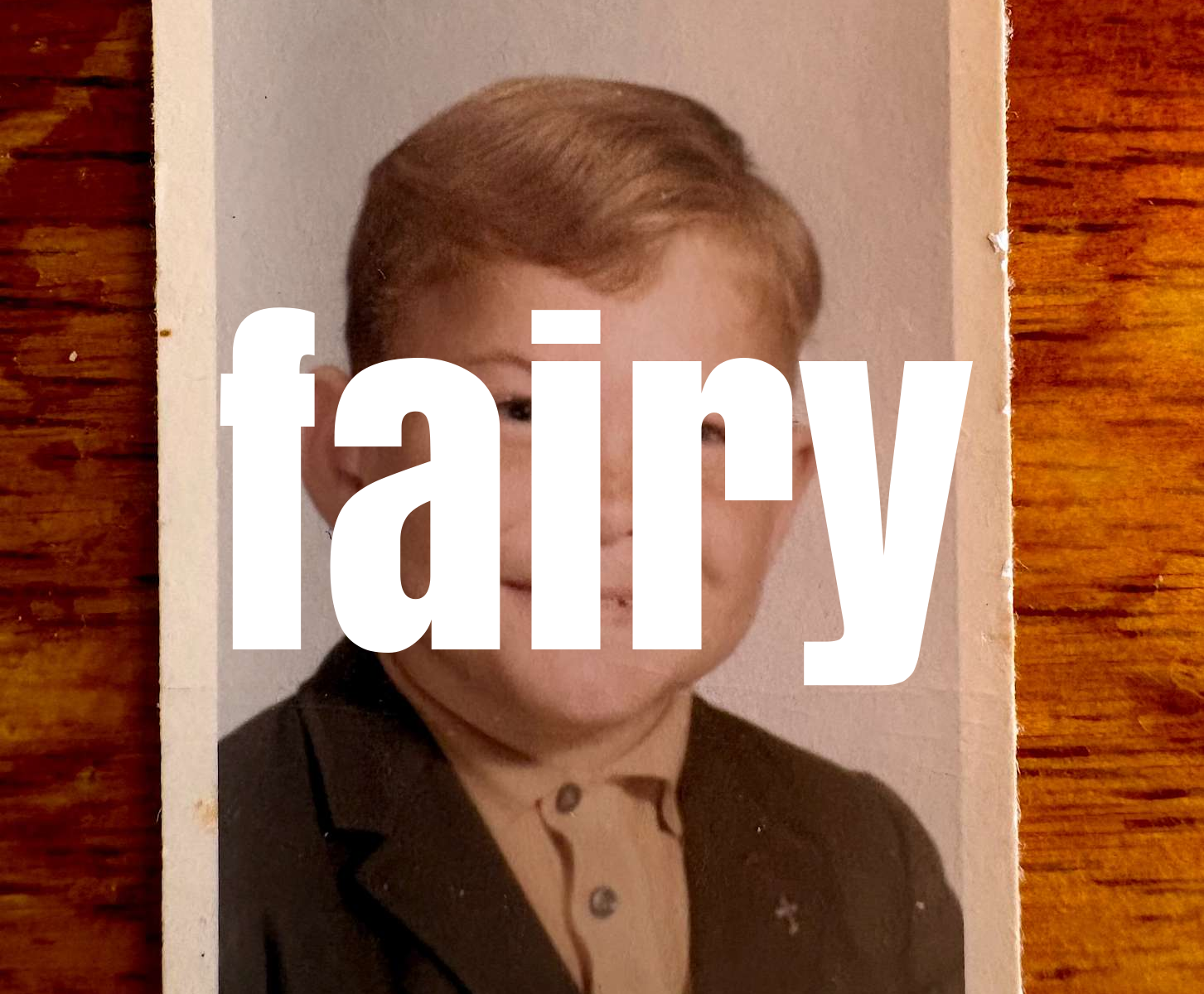
18. Fairy
by Kirby
In Fairy, Kirby continues to mine their riches and fan the flames lit in their instant classic, Poetry is Queer. Their essays are an act of liberation they call “tending to each other’s freedom,” and are written with signature Kirby directness and panache, from early AIDS-activist monologues, to
launching a counter city-wide “safe-sex” campaign that includes the public depiction of an affectionate gay couple, to leaving the States in a love that made them “the most beautiful boy in the world,” to becoming a Canadian queer poetry icon. Like countless fairies before them, Kirby scouts desire paths beyond mere survival for new queer voices to continue to amaze, flourish, and thrive. Or as Fairy says, “This way>>>.”
19. A Song for Wildcats
by Caitlin Galway
An arresting, vividly imaginative collection of stories capturing the complexity of intimacy and the
depths of the unravelling mind. Infatuation and violence grow between two girls in the enchanting wilderness of postwar Australia as they spin disturbing fantasies to escape their families. Two young men in the midst of the 1968 French student revolts navigate—and at times resist—the philosophical and emotional nature of love. An orphaned boy and his estranged aunt are thrown together on a quiet peninsula at the height of the Troubles in Ireland, where their deeply rooted fear attracts the attention of shape-shifting phantoms of war. The five long-form stories in A Song for Wildcats are uncanny portraits of grief and resilience and are imbued with unique beauty, insight, and resonance from one of the country’s most exciting authors.

20. Redshirts Sometimes Survive
by Finnian Burnett
A neglected boy clings to an action figure like a lifeline. A trans man meets his childhood hero. An introvert finally finds her voice at a protest. Queer fans, lonely children, awkward convention-goers, and disillusioned adults seek out their favourite starships and captains for solace and strength. In these
interconnected flash stories, the outcasts, the rebels, the bullied, and the weird find themselves, one other, and a place to call home. By turns moving, thoughtful, and wry, Redshirts Sometimes Survives offers connection and comfort. Being a redshirt doesn’t mean you’re doomed. Sometimes, it means you survive.

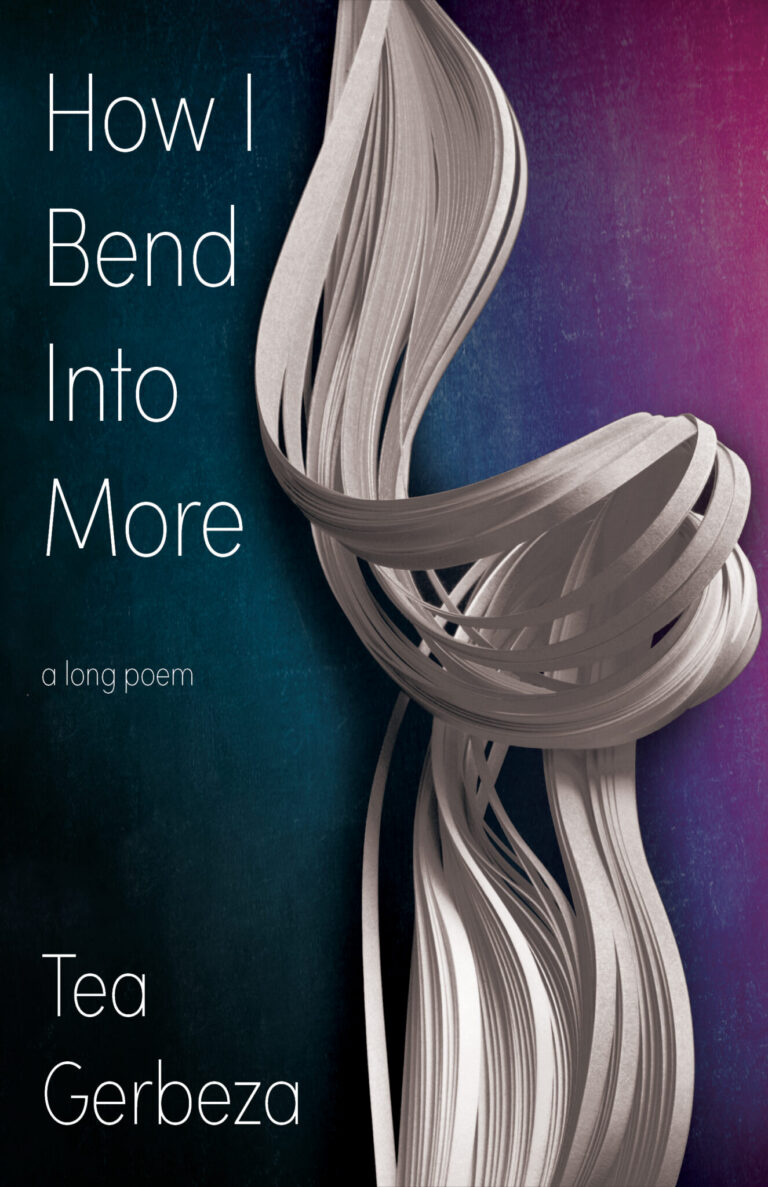
21. How I Bend Into More
by Tea Gerbeza
Based on Tea Gerbeza’s experience with scoliosis, How I Bend Into More re-articulates selfhood in the face of ableism and trauma. Meditating on pain, consent, and disability, this long poem builds a body both visually and linguistically, creating a multimodal space that forges Gerbeza’s grammar of embodiment as an act of reclamation. Paper-quilled shapes represent the poet’s body on the page; these shapes weave between lines of verse and with them the reclaimed disabled body is made. How I Bend Into More is a distinctive poetic debut that challenges ableist perceptions of normalcy, and
centers “the double architecture / of ( metamorphosis (.”
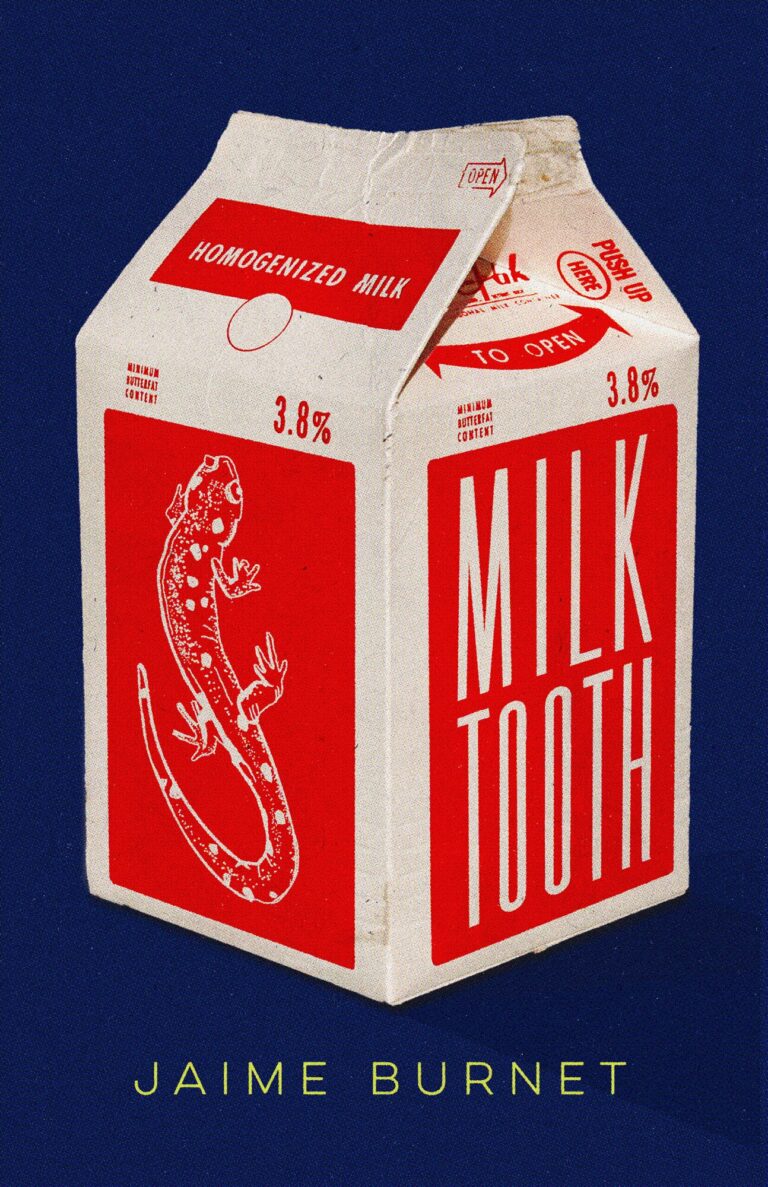
22. milktooth
by Jaime Burnet
Sorcha is over the hook-ups and gay haunts of her twenties. At thirty-one what she wants, more than anything, is to have a baby. Then she meets Chris—with her buttoned-up plaid, 90s heartthrob hair, and grand romantic gestures—and things get serious. Fast. Though Sorcha’s friends find her new partner problematic, Sorcha has an explanation for everything. As Chris’ moods turn volatile and Sorcha becomes increasingly isolated, Chris paints an idyllic picture of domestic bliss in Cape Breton. Sorcha is all in: if her conservative religious upbringing taught her anything, it’s how to save. Plus, Chris promises Sorcha the thing she wants most—a baby. But when Sorcha becomes pregnant and Chris’ abuse escalates, Sorcha realizes she must escape the life they’ve built together, just as she escaped her own stifling family years before. When Sorcha’s estranged Aunt Agnes, a retired midwife, messages Sorcha out of the blue, her bothy in the Scottish Highlands seems the perfect place to hide. As the bundle of cells in Sorcha’s belly diligently divides, she daydreams that Agnes will deliver the baby and they’ll stay in Scotland, where Chris can’t find them. And where, just maybe, Sorcha could build the sort of family she’s always ached for. Exploring the clandestinity of queer abuse, the fierceness of friendship, and the magic of found family, milktooth is a bold, inventive, lyrical and darkly funny story about finding the strength to cut away what’s harmed you and create something entirely new.
23. Cannon
by Lee Lai
We arrive to wreckage—a restaurant smashed to rubble, with tables and chairs upended riotously. Under the swampy nighttime cover of a Montreal heat-wave, this is where we meet our protagonist, Cannon, dripping in little beads of regret sweat. She was supposed to be closing the restaurant for the night, but instead, well, she destroyed it. The mess feels a bit like a horror-scape—not unlike the horror films Cannon and her best friend, Trish, watch together. Cooking dinner and digging into deep cuts of Australian horror films on their scheduled weekly hangs has become the glue in their rote
relationship. In high school, they were each other’s lifeline—two queer second-generation Chinese nerds trapped in the suburbs. Now, on the uncool side of their twenties, the essentialness of one another feels harder to pin down. Yet, when our stoic and unbendingly well-behaved Cannon finds herself—very uncharacteristically—surrounded by smashed plates, it is Trish who shows up to pull her the hell outta there. In Cannon, Lee Lai’s much anticipated follow-up to the critically-acclaimed and award-winning Stone Fruit, the full palette of a nervous breakdown is just a slice of what Lai hason offer. As Cannon’s shoulders bend under the weight of an aging Gung-gung and an avoidant mother, Lai’s sharp sense of humor and sensitive eye produce a story that will hit readers with a smash.
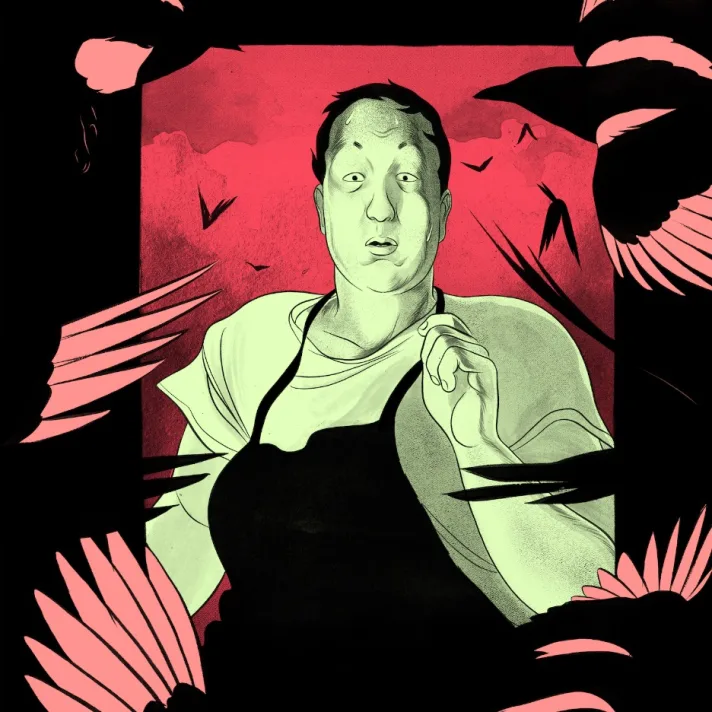
24. No One Should Be Happy When I’m Not
by Joseph Donato
No One Should Be Happy When I’m Not offers a glimpse into the life of a clown who was slightly wronged and completely lost his mind. Each poem drips melodrama and despair and explores how grief can become a spectacle out of necessity. Joseph Donato’s wit and insanity shine through in this teeny-tiny collection of break-up poems.

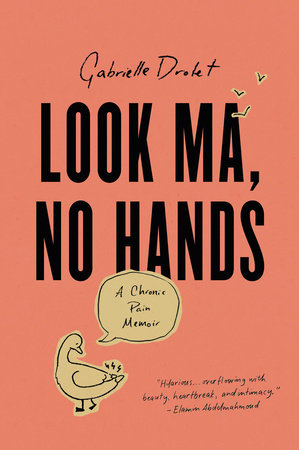
25. Look Ma, No Hands
by Gabrielle Drolet
A humorous, profound debut memoir about chronic pain, accessibility, and young adulthood, by an acclaimed essayist and cartoonist. In 2021, Gabrielle Drolet developed a condition that made her unable to use her hands. It only worsened over time, and as a writer and artist, she had to learn new
ways of creating and expressing herself. The experience completely changed her life and her outlook. Look Ma, No Hands explores both the difficulty and the humour of developing chronic and life-altering pain in her twenties. Each chapter looks at a different aspect of her life touched by her disability: how she learned to write when she couldn’t type; how she learned to manage the most mundane daily tasks. She moves cities and as her work as a writer and cartoonist builds has to navigate different byzantine health systems without the privilege or security of having a family doctor, even as she moves into her new apartment and embarks on first dates. And she does all of this with the most wonderful sense of the absurd. Look Ma, No Hands is utterly charming and shares profound reflections on life’s curveballs, and explores how, in Drolet’s words, “you can live a full—even funny—life in a disabled body.”
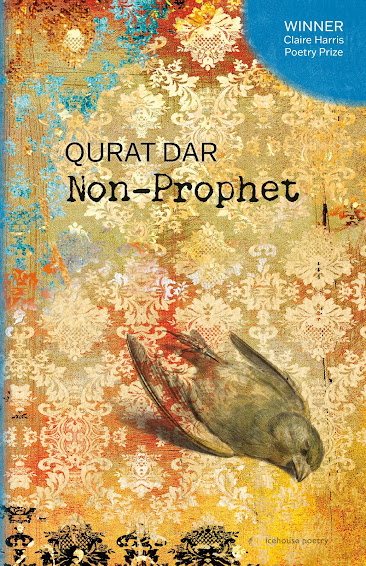
26. Non-Prophet
by Qurat Dar
Raw, reverent, and bursting with searing vulnerability, Non-Prophet canvases the electric tension between devotion and doubt to gods both personal and ubiquitous, and reflects on the natural and built worlds in their claims to the sacred. Winner of the inaugural Claire Harris Poetry Prize, Qurat Dar’s bold debut collection explores what it is to grapple with faith that’s “just another language you’re losing, or one you never learned to speak.” Weaving through the boundaries of language and form,
Non-Prophet meditates on things “just mundane enough to be holy / just holy enough to be mundane”— the death of a bird, the cries of mid-nightmare prayers, the misplaced shame of what it is to bleed. Dar’s poems both rage and reconcile, holding gently the pieces of a fractured identity.
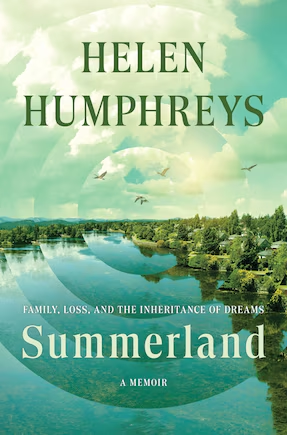
27. Summerland
by Helen Humphreys
A brilliant and touching memoir about the dreams and desires passed down through three generations of a family, from the beloved and decorated writer of The Ghost Orchard, Rabbit Foot Bill and Nocturne. In March of 1941, Helen Humphreys’s grandfather, Dudley, disappeared near the island of Malta. He was travelling with a crew on a Wellington bomber to the island, where he would take command of the RAF station. At 5:45 a.m. the pilot of the Wellington sent out a radio call to say that he was under attack, and then there was nothing further. No trace of the plane, or of any of the seven
men aboard, was ever found. The loss of this husband and father would reverberate through the family for years, cutting short Dudley’s dream to return from Britain to the Okanagan Valley in British Columbia to start an orchard in the place where he spent his adolescence. Decades on, the son who was left behind, Helen’s father, would partially realize that dream and move his family to Canada. And even more years on, a family member would discover a cache of short stories written by Dudley about his experiences in the trenches in World War I and share them with Helen. She knew that the
grandfather she never met had wanted to be a writer but had not expected that any of his stories had survived. Weaving in memory, reconstructed family history and her grandfather’s stories, Helen Humphreys explores the nature of inherited dreams within a family. Do dreams and desires pass through DNA like a physical trait, from one generation to the next and the next after that? What continues? And how does it continue? Beautifully written, full of curiosity and emotional reckonings, Summerland reminds us why Helen Humphreys is one of Canada’s most admired and accomplished writers.
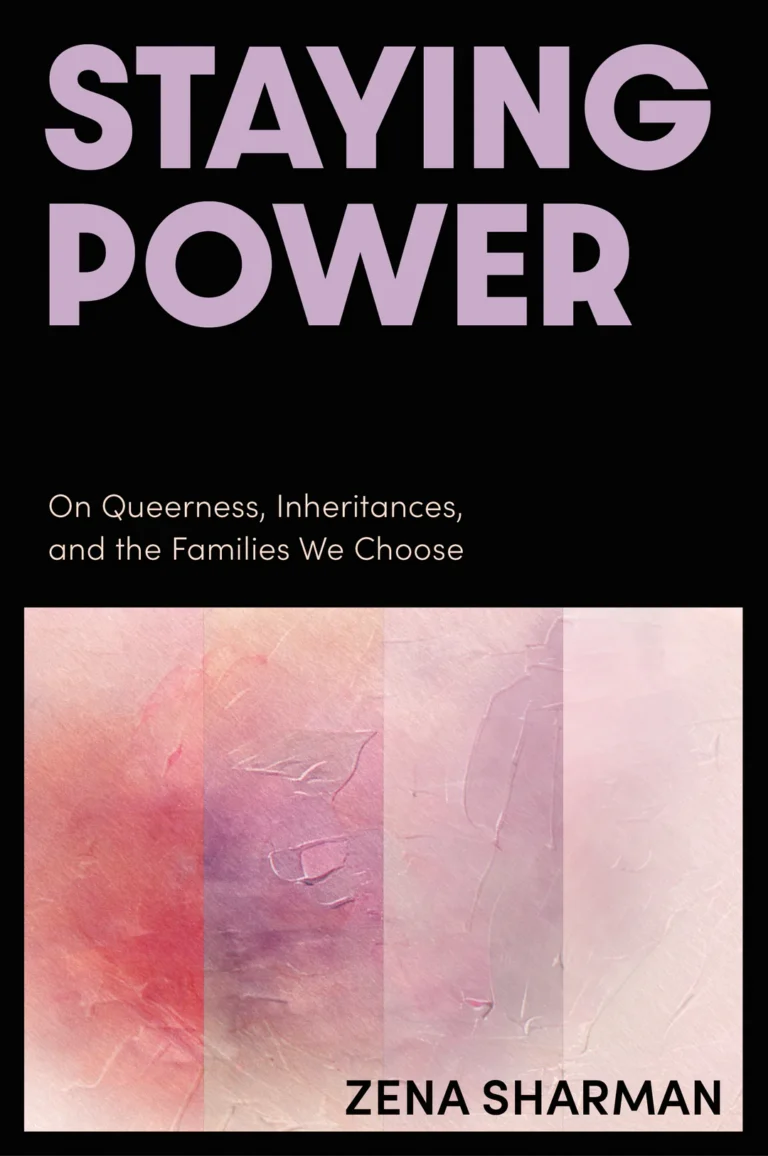
28. Staying Power
by Zena Sharman
A remarkably frank memoir about interdependence, grieving, and parenting as a queer femme that
doesn’t leave out the messy or the erotic. Staying Power, Zena Sharman’s memoir in essays, is a beautiful and honest journey of care work, grief, parenting, and chosen family in the wake of intergenerational trauma. Exploring the lessons and inheritances of being raised by survivors of complex traumas, the book challenges the notion that one must be healed in order to parent well and celebrates the transformative power of queer family-making beyond gay marriage and assimilation into the nuclear family. The book, which recounts the author’s experiences of raising three children in a four-parent queer family, asks, “If leaving has helped you survive, how do you learn to stay?” Sharman finds answers in queer kinship, femme erotics, Leatherdyke lineages, and the radical possibilities inherent in doing motherwork outside of motherhood, recognizing that sometimes you fight the thing you want most. Staying Power is a moving, deeply personal account of one person’s journey of unlearning independence through an experiment in queer collective care.
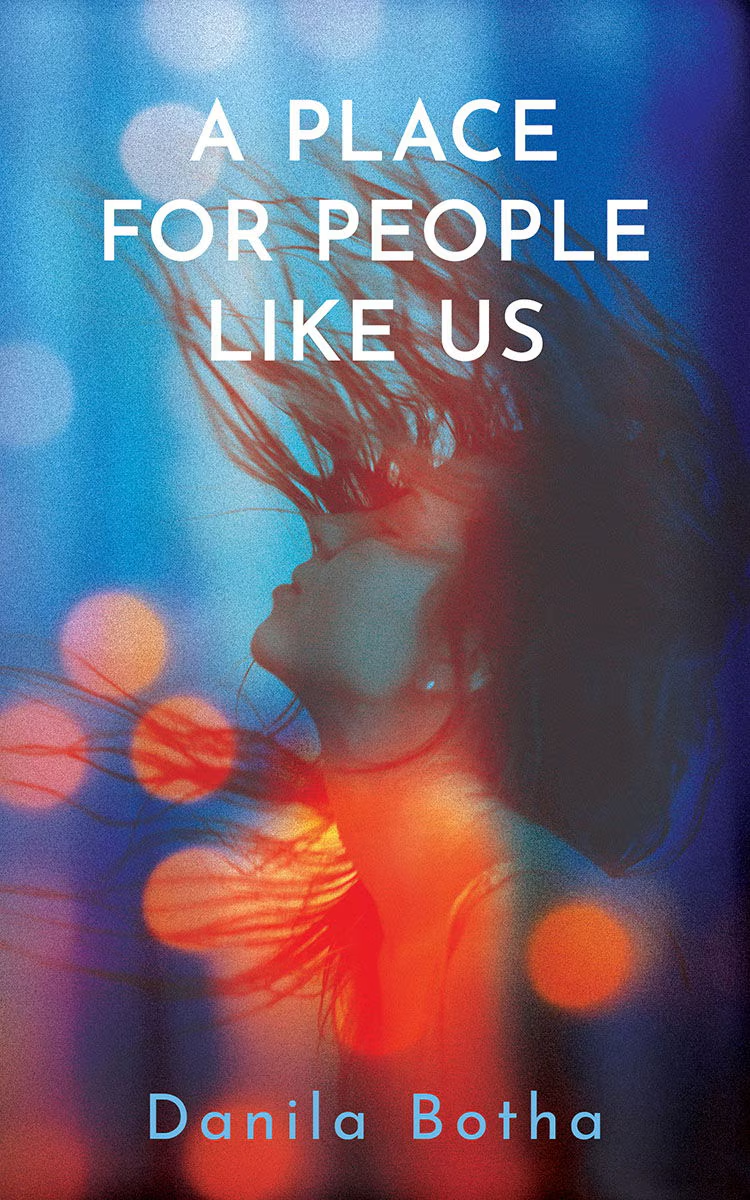
29. A Place for People Like Us
by Danila Botha
When Hannah meets Jillian, their connection is instant and addictive. Both unique and talented, but equally adrift in trying to determine and then pursue their goals, they become each other’s anchor until Jillian’s lies threaten to unravel the lives they’ve built. In this insightful exploration of friendship and identity, Judaism and cults, and hypocrisy and family Danila Botha brings her signature empathy and nuance into worlds few are intimately familiar with, with riveting results. Poignant and moving, A Place for People Like Us is a story that will stay with you for a long time.
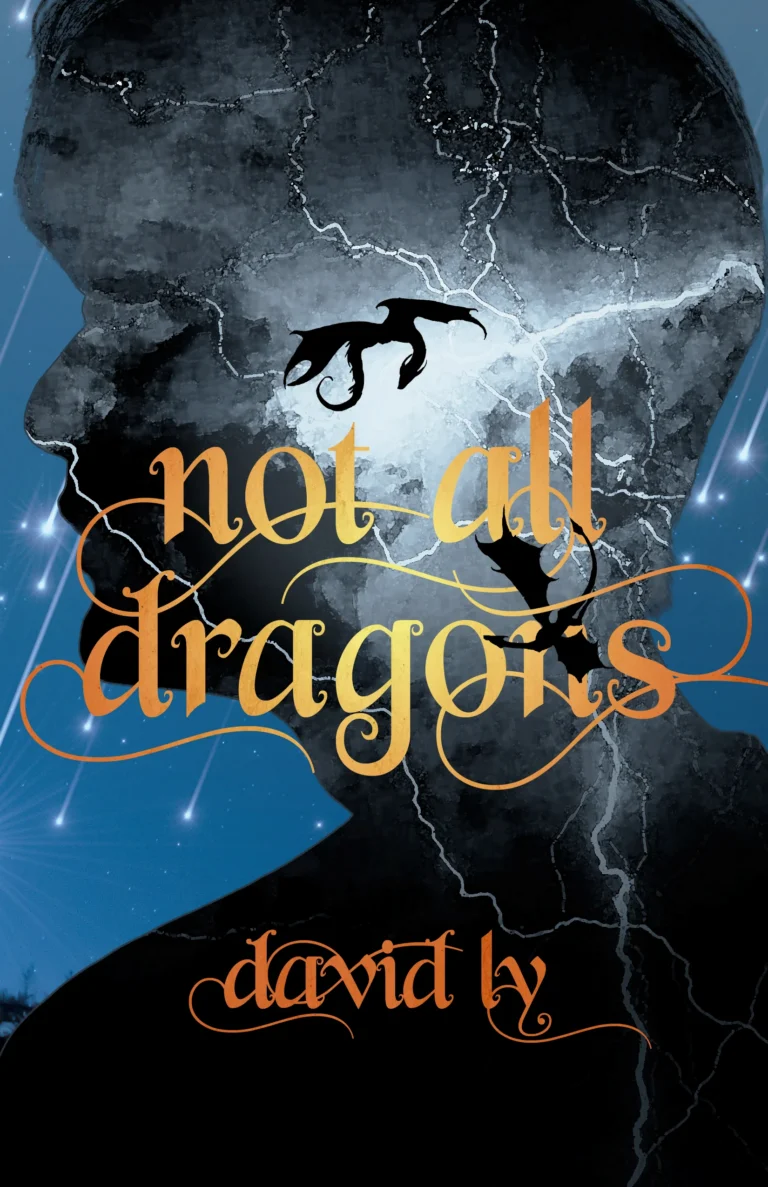
30. Not All Dragons
by David Ly
What is it that you are, Rhys? In a land of magic and myth, Rhys awakens on the shore of Lanilia with mysterious wounds on his back and no memory of his life before. Disoriented, he stumbles on the Mernese estuary protected by the mermaid Delia, who is quickly intrigued by this male who doesn’t smell like any Lanilian she’s ever met and who is unable to answer questions about himself. Determined to figure out his past, Rhys convinces Delia to help, and begins a dangerous journey to
discover who he is, or was, and who he might become as they hunt for the truth beneath story and prophecy. David Ly brings readers a fascinating and fresh take on dragons and destiny in this captivating debut novel.