The 2026 Wild Writers Festival Reading List
From the Editor’s Desk
We can’t wait to see you at the 2026 Wild Writers Festival! In the meantime, check out the festival reading list to get ready for our programming. All books are available for purchase through our partner, Words Worth Books.
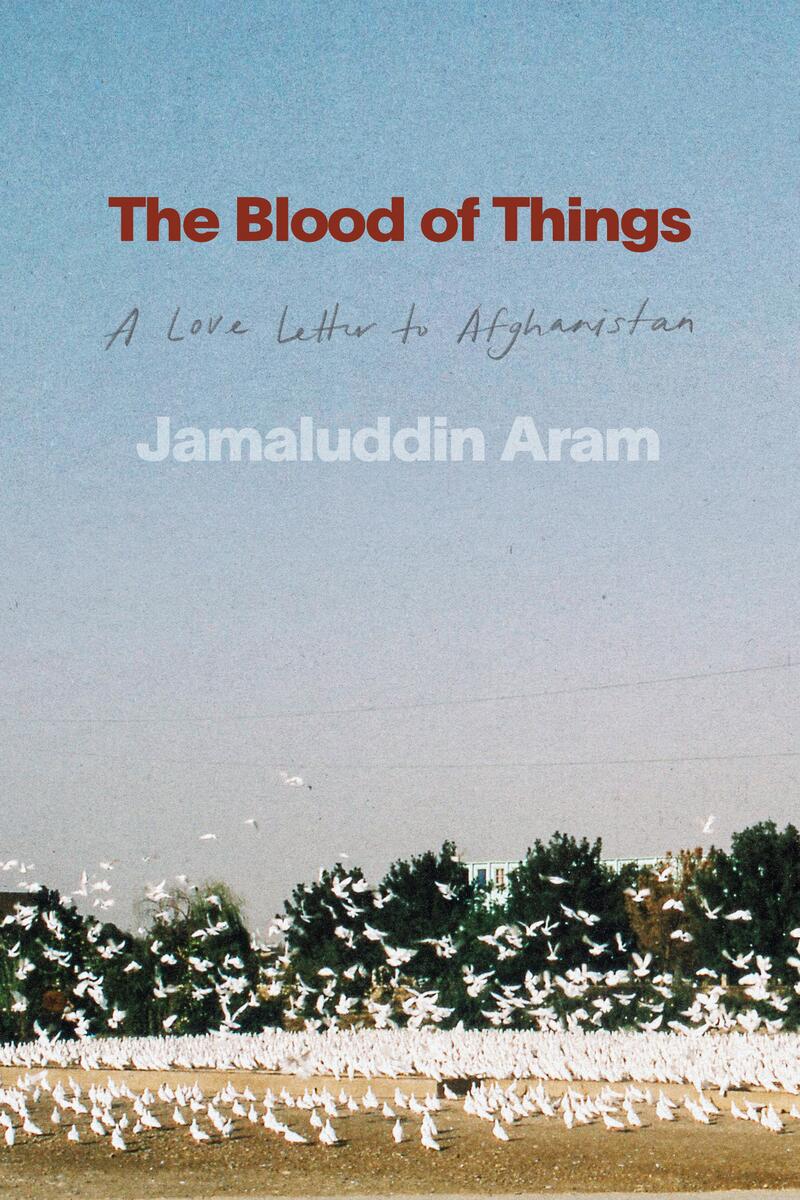
The Blood of Things by Jamaluddin Aram
Jamaluddin Aram examines the complexities of his place of birth and the demands of forging a career in writing. He explores themes such as displacement, ethnic discrimination, and exile, balanced by the lightness of memory, friendship, and hope. In prose that is at once highly political and deeply personal, Aram writes about “the terrible responsibility of war,” the fall of Kabul, and an account that connects his great-grandfather to the medieval Order of Assassins, and subverts entrenched portrayals of his people in popular culture, among other subjects, in a collection that is both sweeping and intimate, immersive and provocative, and which fully reveals his talent as an exciting new voice in nonfiction.
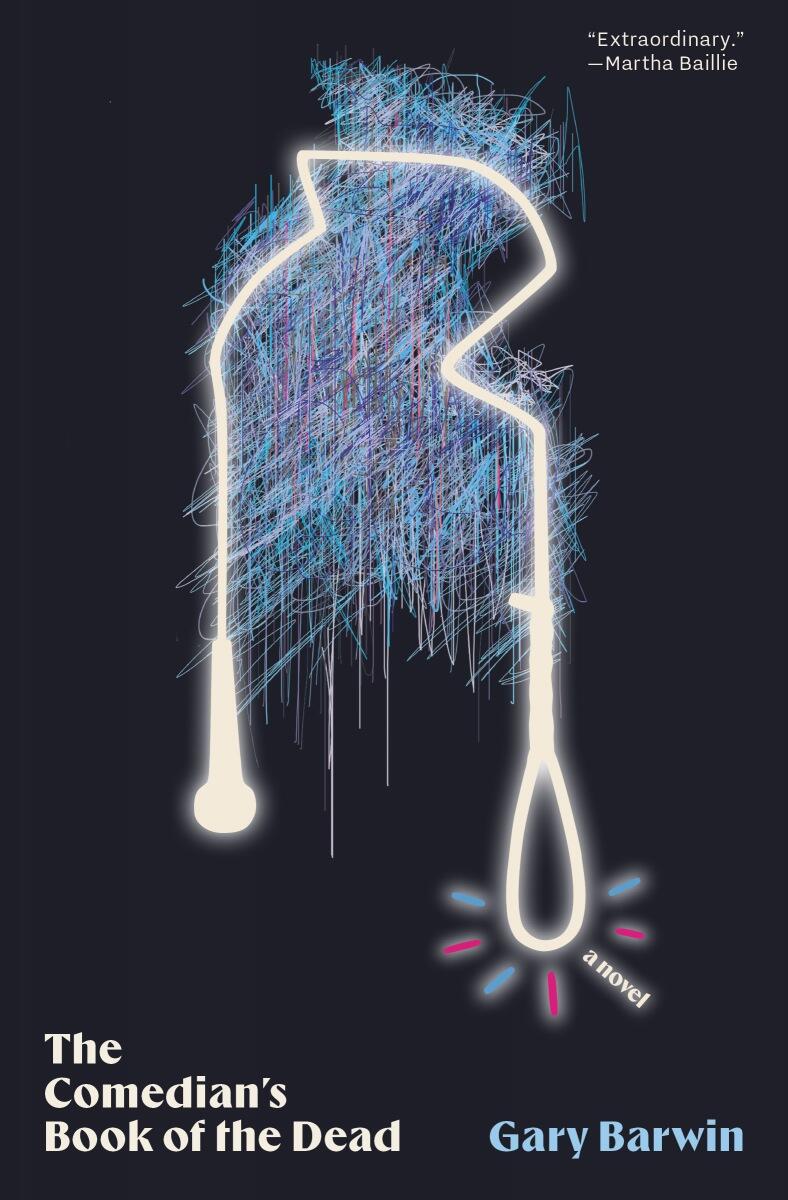
The Comedian’s Book of the Dead by Gary Barwin
Death is a comedian and devoted family man, but everything falls apart when the Fates choose him to guide departed souls to the Beneath. Having to perform this new role erodes his humanity and causes him to do some perhaps unforgivable things, and when his only son dies by suicide, Death realizes he’s likely the one to blame.
Attempting the impossible, Death goes into the Beneath to beg the Fates to allow him to bring back his son. Naturally, things are not what they seem, and Death is forced to reevaluate everything he knows- everything except the deep love he has for his child.
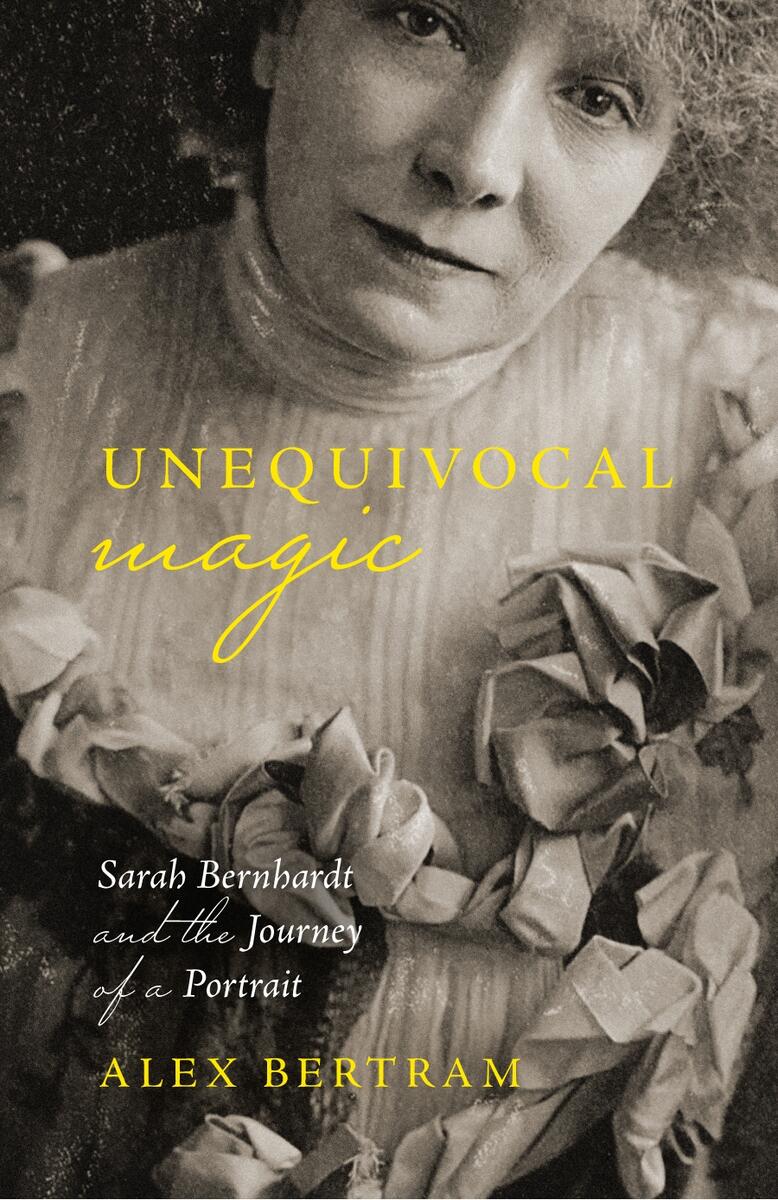
Unequivocal Magic by Alex Bertram
Unequivocal Magic speaks to the “quiet power” of photographs and their hidden creativity, bringing readers into the author’s own journey into the history of a 1910 portrait of iconic French actress, Sarah Bernhardt. What begins as a quest to recognize the work of her once renowned photographer, Walter Barnett, becomes a story about the female performer in the West, whose use of image to innovate, protest, and survive public scrutiny can provide an enduring agency.
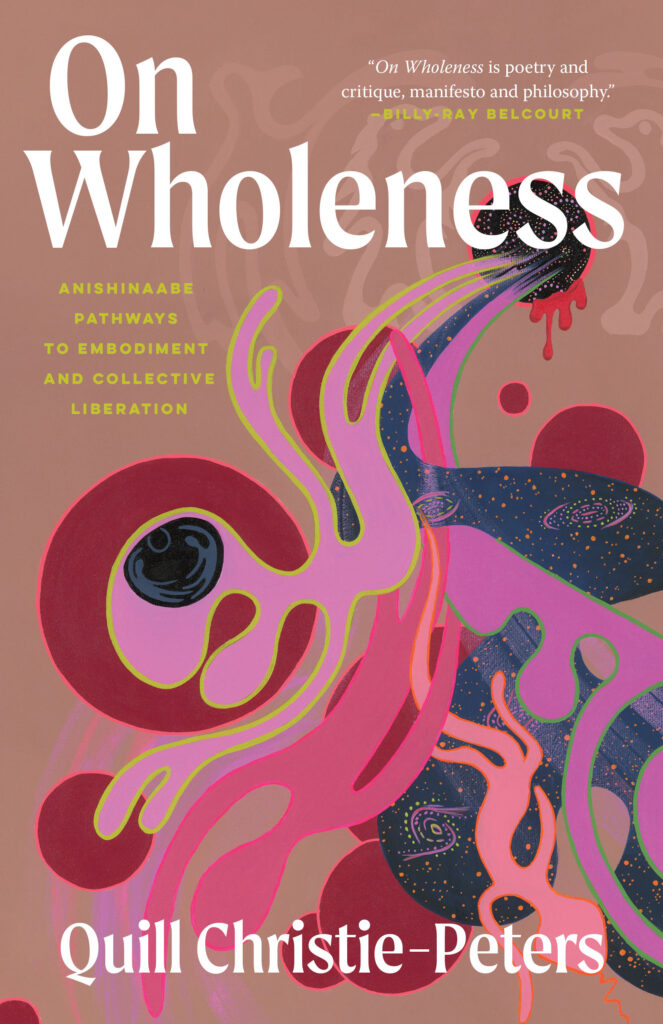
On Wholeness by Quill Christie-Peters
Through reflections on childbirth, parenting, creative practice, and expansive responsibility, Anishinaabe visual artist Quill Christie-Peters explores how reconnecting with the body can be an act of resistance and healing. She shows that wholeness-despite pain and displacement-is not just possible but essential for liberation, not only for Indigenous people but for all of us.
In poetic and raw storytelling, Quill shares her own experiences of gendered violence and her father’s survival of residential school, revealing how colonialism disconnects us from ourselves. Yet, through an Anishinaabe lens, the body is more than just flesh-it extends to ancestors, homelands, spirit relations, and animal kin.
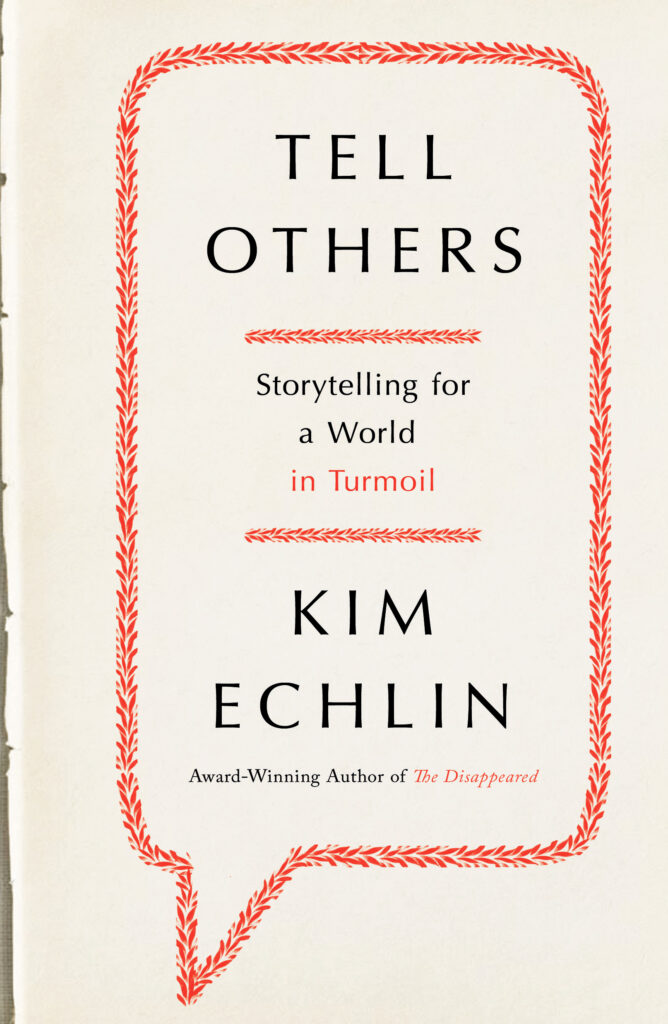
Tell Others by Kim Echlin
In this moving collection, critically acclaimed novelist Kim Echlin examines how we turn to literature to measure our lives against the darknesses of our time. Tell Others explores how literature resists silencing and repression with truth and imagination.
Echlin skillfully blends her lived experience in different parts of the world—teaching in post-revolutionary China, researching war crimes in the former Yugoslavia, studying under one of Canada’s most respected Elders, Basil H. Johnston—with wide-ranging reading that offers solace and highlights the possibility to transform outrage into understanding and resistance.
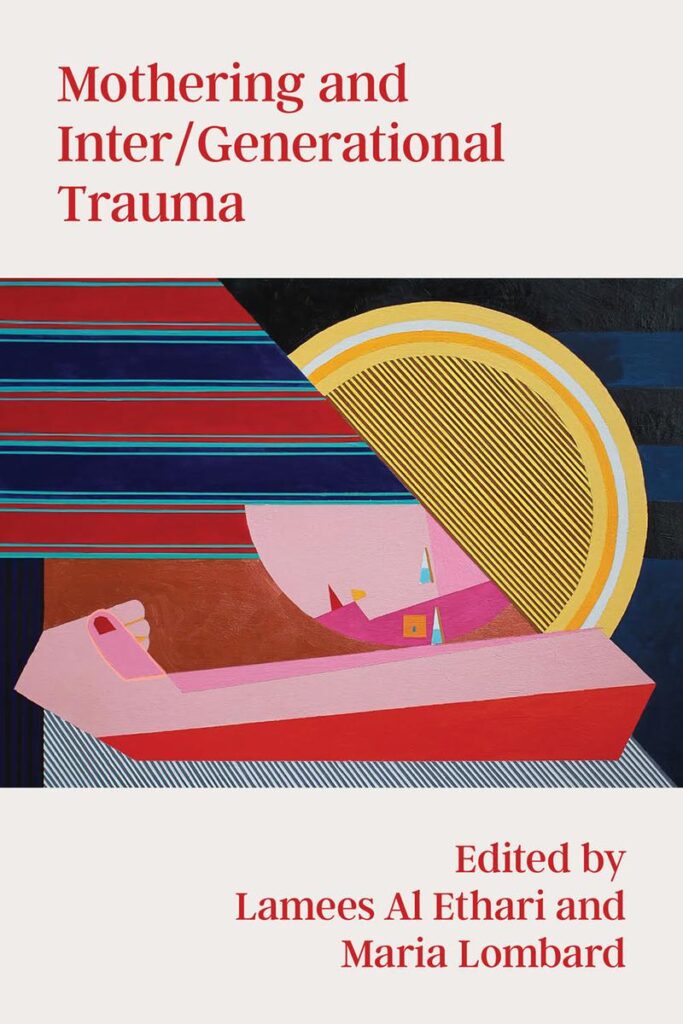
Mothering and Inter/Generational Trauma edited by Lamees Al Ethari & Maria Lombard
This volume examines experiences and meanings of motherhood impacted by displacement and intergenerational trauma. The collection builds upon Marianne Hirsch’s concept of postmemory, which states that the “generation after [will] grow up dominated by narratives that preceded their birth, whose own belated stories are evacuated by the stories of the previous generation shaped by traumatic events that can neither be understood nor recreated” (Hirsch 22). Through research, personal narratives, and creative and artistic reflections, the chapters construct diverse interpretations of postmemory in relation to mothering.
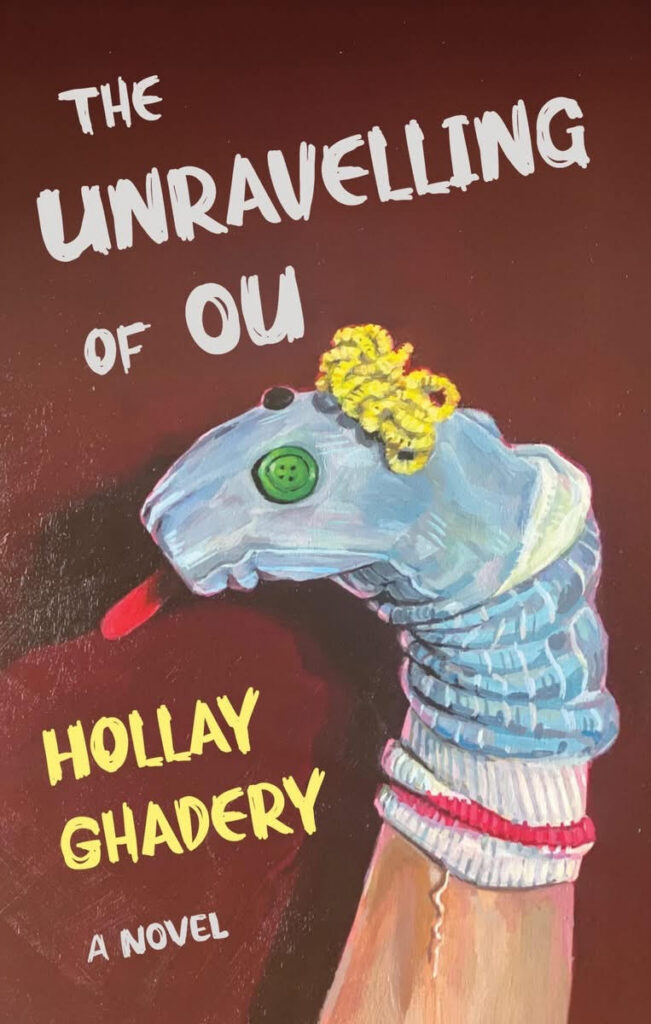
The Unravelling of Ou by Hollay Ghadery
Moving on is hard. Even harder when it’s from a make-believe friend—someone, or in this instance, some thing—who’s been your strongest source of support. On what should be one of the happiest days ever, the day her granddaughter is born, Minoo is faced with a terrible choice: make a clean break from her constant companion, a sock puppet named Ecology Paul, or lose her daughter and granddaughter, and maybe all of the people she loves. On an emotional drive home from the hospital, Ecology Paul shares the story of how Minoo got to this point, recalling Minoo’s early teenage pregnancy in Iran, her exile to Canada, her questions about her sexuality, and how a ragtag sock puppet came to her when she desperately needed to be seen.
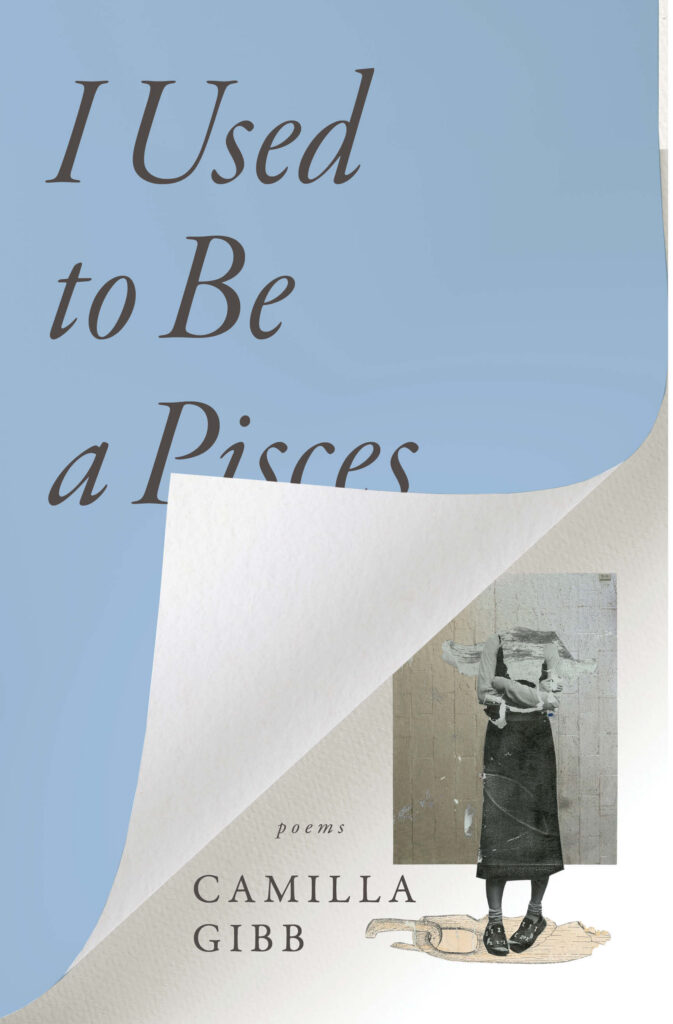
I Used to Be a Pisces by Camilla Gibb
I Used to Be a Pisces is a deeply felt meditation on love and belonging, exploring changing landscapes, loves, and selves. In these poems, accompanied by her original collage work, Gibb generously invites us to engage with our surroundings, recognize the relationships that shape our existence, and examine our longing for restoration and regeneration.
Grappling with what it means to feel at home in a time of upheaval, and woven through with threads of hope, grief, and the persistent pursuit of renewal, I Used to Be a Pisces is a masterful poetic work from one of the country’s most beloved and celebrated authors.
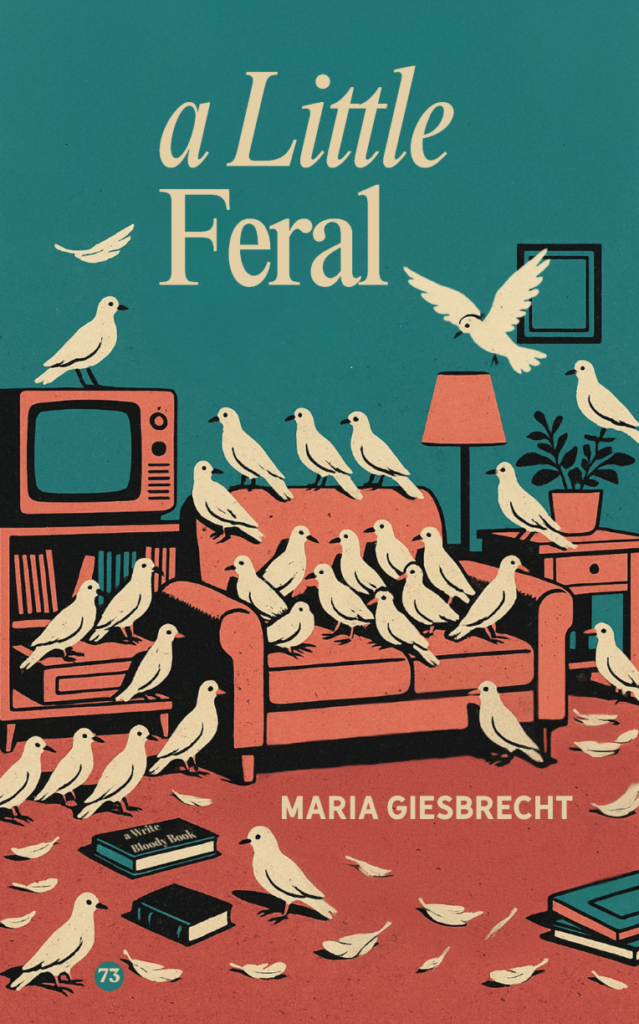
A Little Feral by Maria Giesbrecht
In A Little Feral, Maria Giesbrecht delivers a debut collection that navigates faith, family, and personal resurrection through a voice at once wild, intimate, and quietly rebellious. Written in the aftermath of leaving a conservative Mennonite upbringing, these poems chart a parallel journey of breaking away from father, from God, from the confines of obedience. Giesbrecht’s language is lyrical and unflinching, a cadence that moves between tenderness and defiance, weaving ancestral memory with moments of stark revelation. A Little Feral asks readers to reimagine where holiness might be found in the fractures of family, in the undoing of inherited faith, and even in the loneliness of a world shaped by patriarchy and exile.
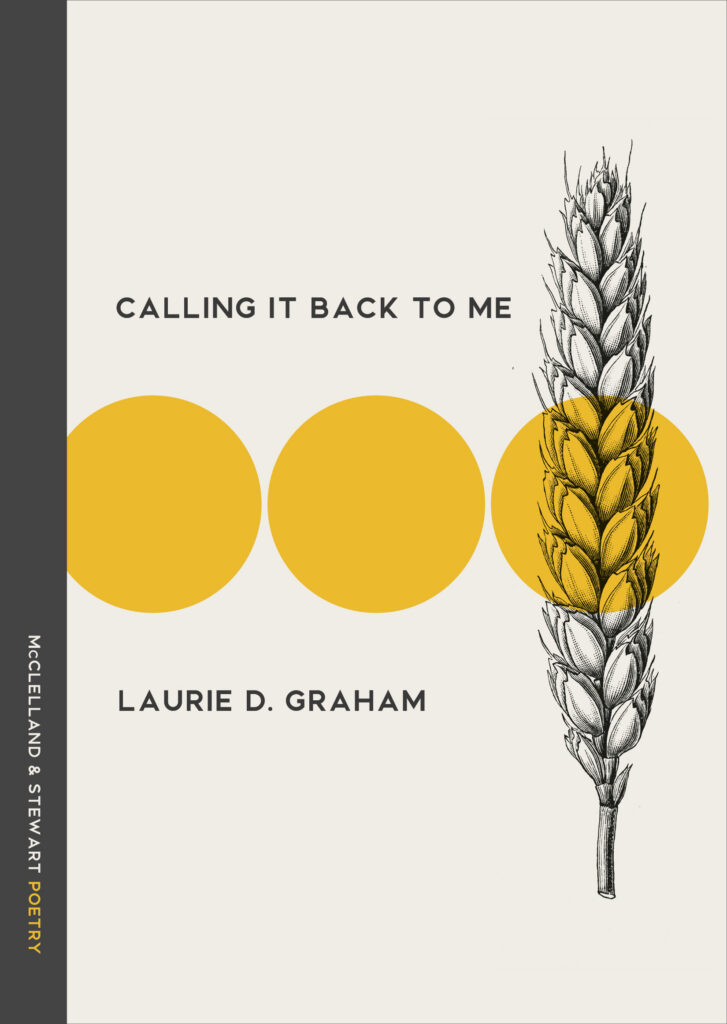
Calling It Back to Me by Laurie D. Graham
In these searching, spare, and resonant poems, Laurie D. Graham traces the story of her great-grandmothers’ lives before and after they left their homelands and settled on this continent, striving to understand how she came to be here and writing the act of colonization as it exists in her own family history. This collection’s fractured lines, time-weathered yet alive with detail, reflect a family’s knowledge broken by global immigration and memory loss, both individual and collective. The result is a courageous reckoning with the legacy of leaving home.
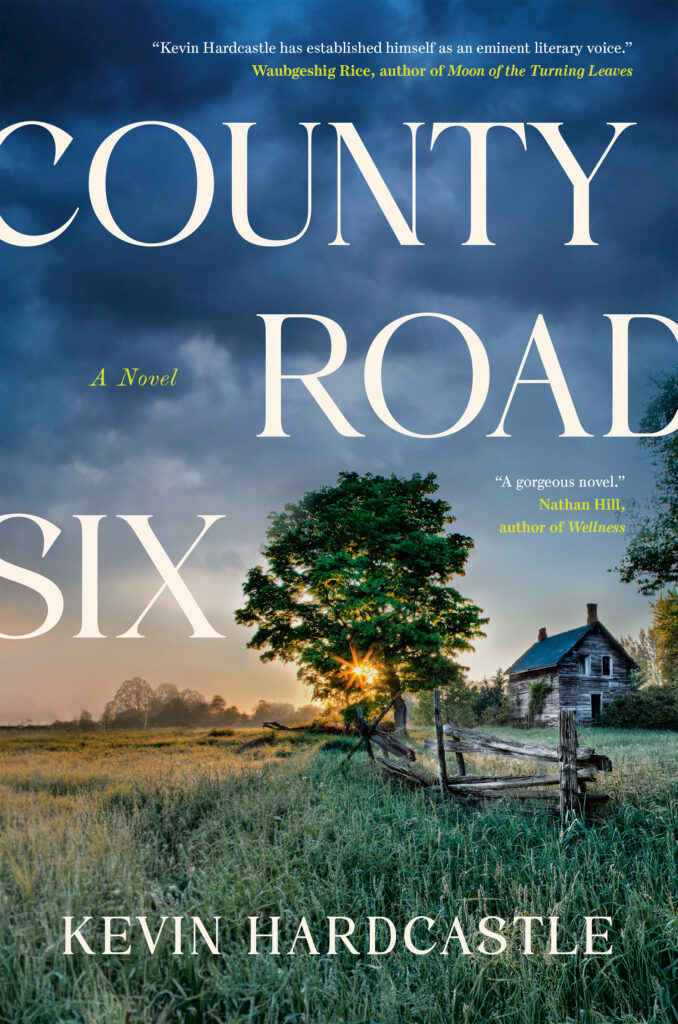
County Road Six by Kevin Hardcastle
It has been years since Mara O’Hare has come home to North Simcoe County. But she is forced to return after her father’s death. Arthur O’Hare—the meanest, most vicious man in the townships—laid low, isolated, angry and sullen before he took his own life.
Mara is reunited with her two sisters, Beth and Emma. Soon, the three women are fighting to retain ownership of the farm they have inherited from their father. But Arthur O’Hare’s legacy is not just land. He has also left his daughters an unanticipated inheritance of violence and terror, born out of a long-buried family secret.
Summerland by Helen Humphreys
In March of 1941, Helen Humphreys’s grandfather, Dudley, disappeared near the island of Malta. He was travelling with a crew on a Wellington bomber to the island, where he would take command of the RAF station. At 5:45 a.m. the pilot of the Wellington sent out a radio call to say that he was under attack, and then there was nothing further. No trace of the plane, or of any of the seven men aboard, was ever found.
Weaving in memory, reconstructed family history and her grandfather’s stories, Helen Humphreys explores the nature of inherited dreams within a family. Do dreams and desires pass through DNA like a physical trait, from one generation to the next and the next after that? What continues? And how does it continue?
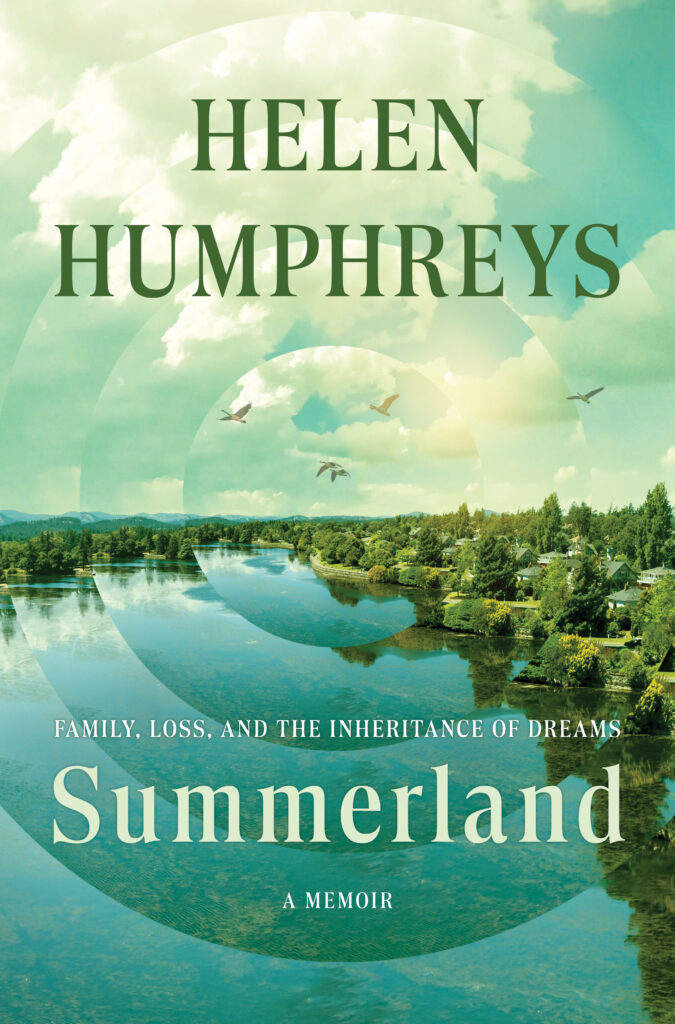
The Fall-Down Effect by Liz Johnston
As a child in the late 1980s, Fern is the wild heart of her tree-hugging family—quick-tempered and yearning to spend every minute in the woods of the small Pacific Northwest logging town where they live.
At nineteen, Fern commits her own radical act of protest, which authorities label ecoterrorism. When Fern goes underground, her parents and siblings—responsible grad student Sylvia and budding artist River—struggle to make sense of her actions while also trying to cover up her absence.
Years later, the family is forced to confront their regrets during a fraught, baggage-filled reunion.
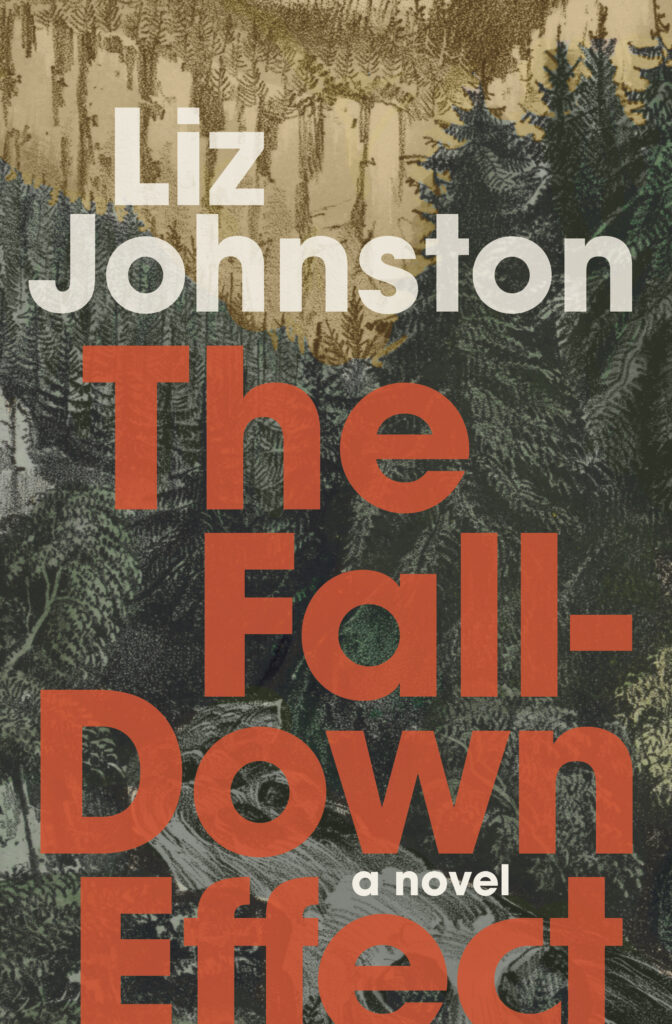
We are Underlings by Doretta Lau
Zita Chang, Associate Marketing Manager at the Nine Circles, the only theme park devoted to dying, death, and the afterlife, is just another cog in a corporate machine. Determined not to let her grief over her father’s death interfere with work, she takes advantage of an employee perk: asking the Afterlife team to replace Siri with his voice so he can dispense the advice she never wanted while he was alive.
But when the Executive Director dies under mysterious circumstances weeks before the company’s grand opening, Zita and her coworkers are tasked with programming his reanimated body to keep the launch on schedule. As more colleagues turn up dead, Zita must untangle the mystery in this strange, beautiful celebration of life and death, revolt and redemption.
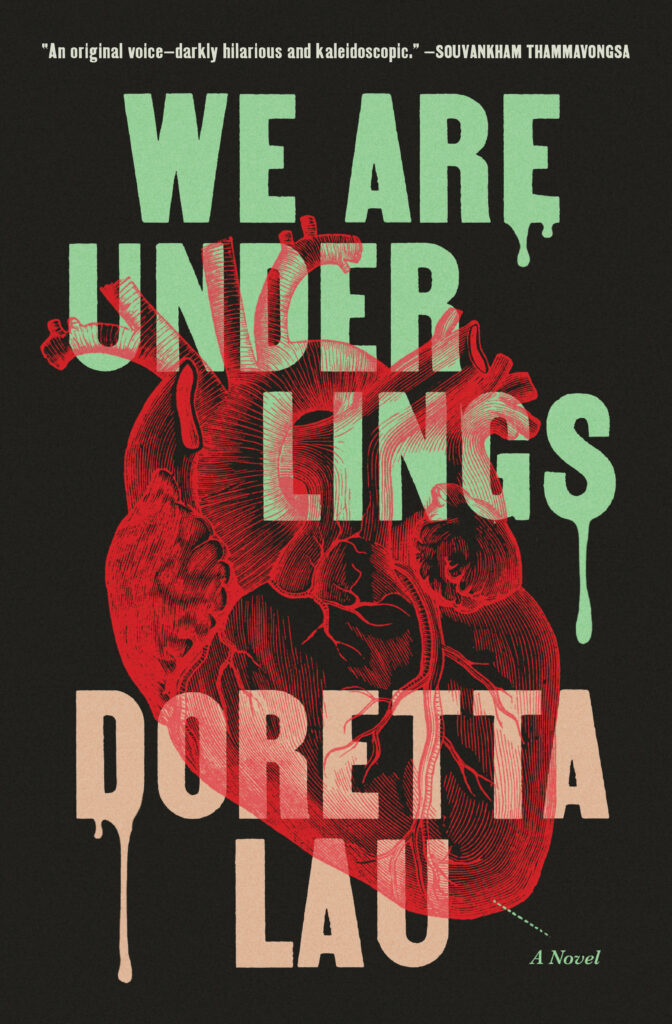
Wonder Land Road by Carianne Leung
Pauline has not spoken to her sister, Mei, in two decades, not since before the world changed. A rare letter arrives asking Pauline to return to their old neighbourhood to care for Mei’s young daughter while Mei goes to find work.
Twelve-year-old Jing is living in the Children’s House, where all the parentless children stay while their parents work at the Farms. She hasn’t heard from her mother in months and the food deliveries they were promised have dwindled.
Julian, once a star athlete and student with a bright future, is one of the only young men left on Wonderland Road. He can’t leave his parents, and he knows there is nowhere left to go. But Julian dreams of a boy he met and a kiss shared in what feels like another lifetime.
These three people will cross paths on Wonderland Road, a community trying to survive in a world of massive disruption and uncertainty. When the future feels poised on a knife’s edge, they must find a way forward.
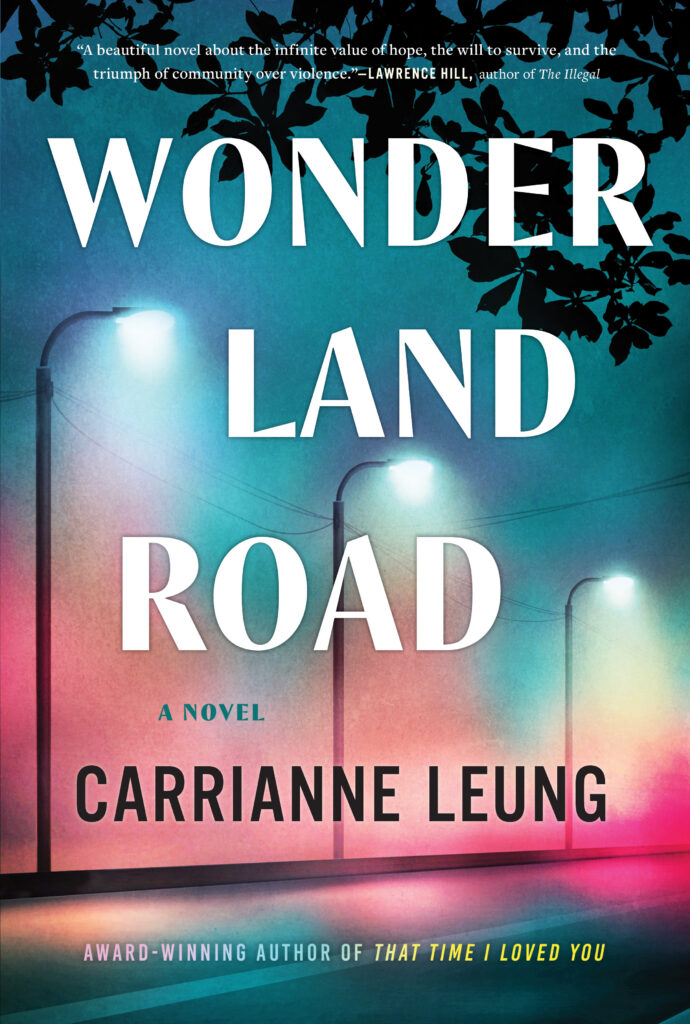
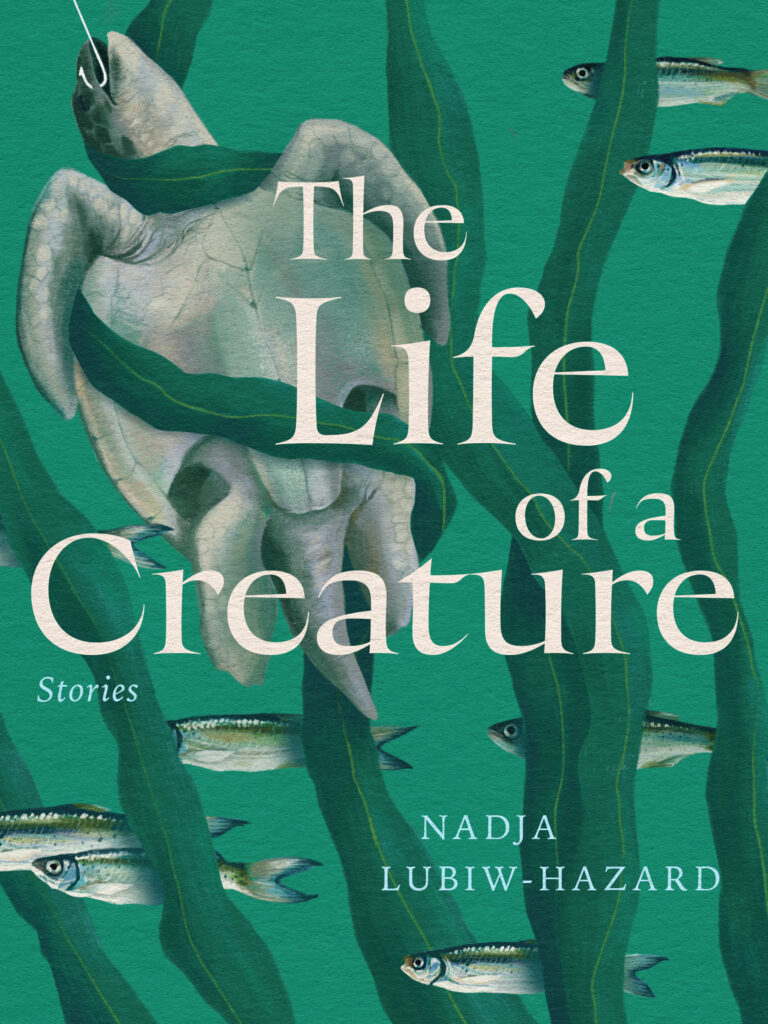
The Life of a Creature by Nadja Lubiw-Hazard
A woman’s personal trauma and anxiety are intertwined with the lives of the feral dogs abandoned in the Chernobyl exclusion zone. As a lesbian love affair unravels, the secrets of a gift-giving crow are revealed. The life of a veterinarian is told through the animals that she has loved and that she has tried to save. A dying man dreams of returning as a vulture after death. The plight of sea turtles on the brink of extinction weaves through a mother’s devastation over the loss of a daughter.
Beautiful in its renderings of human experience, The Life of a Creature is a tender and haunting book imbued with the deeply sensory intimacies of the animal world.
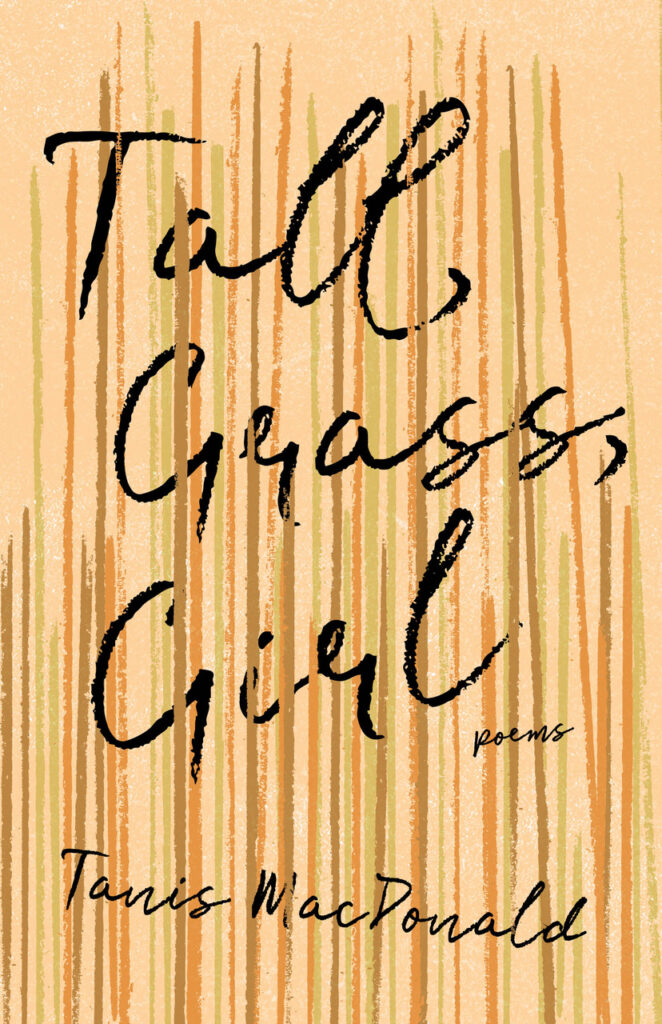
Tall, Grass, Girl by Tanis MacDonald
A feminist crow at a history of violence, Tall, Grass, Girl is essential reading for those who are tired of healing narratives that ring hollow, but who also believe hope is curative.
This book contends that making one’s way to tenderness can take years, that a good life can come from harsh beginnings, that feeling crazy in an impossible world is more than normal—it’s necessary. Surviving the past can be hard work, and to grow tall, to push past expectations, is to become a person who can refuse and thrive. These poems are a moving testament to remembering oneself via harsh and beautiful terrain, to transmuting past violence, and to finding one’s way back to being a tall, grassy girl self.
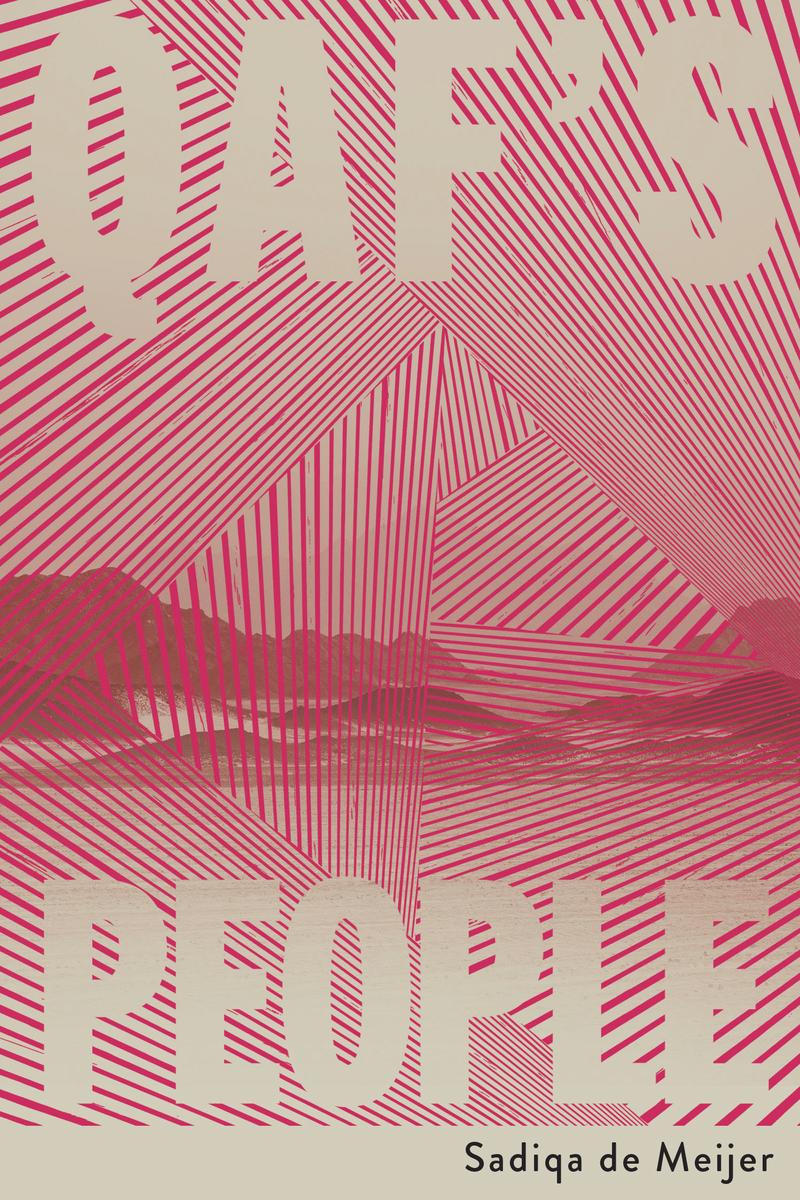
Qaf’s People by Sadiqa de Meijer
“If there is a mother country and a father country / if an ocean, or some seas, or river after river after river / breathe between your right side and your left / you’re from Qaf,” offers Governor General Award-winning writer Sadiqa de Meijer in, Qaf’s People, an elegant and ambitious exploration of mixed-race identity, familial history, diaspora, and the precarities of belonging, set in an imagined landscape drawn from Islamic mythology. Within de Meijer’s skillful poems, history’s many tributaries converge, their confluence offering new ways of understanding the complexities of a life lived across and through continents, languages, and cultures. Qaf’s People is a book rich with inquisitive beauty and interrogative poise.
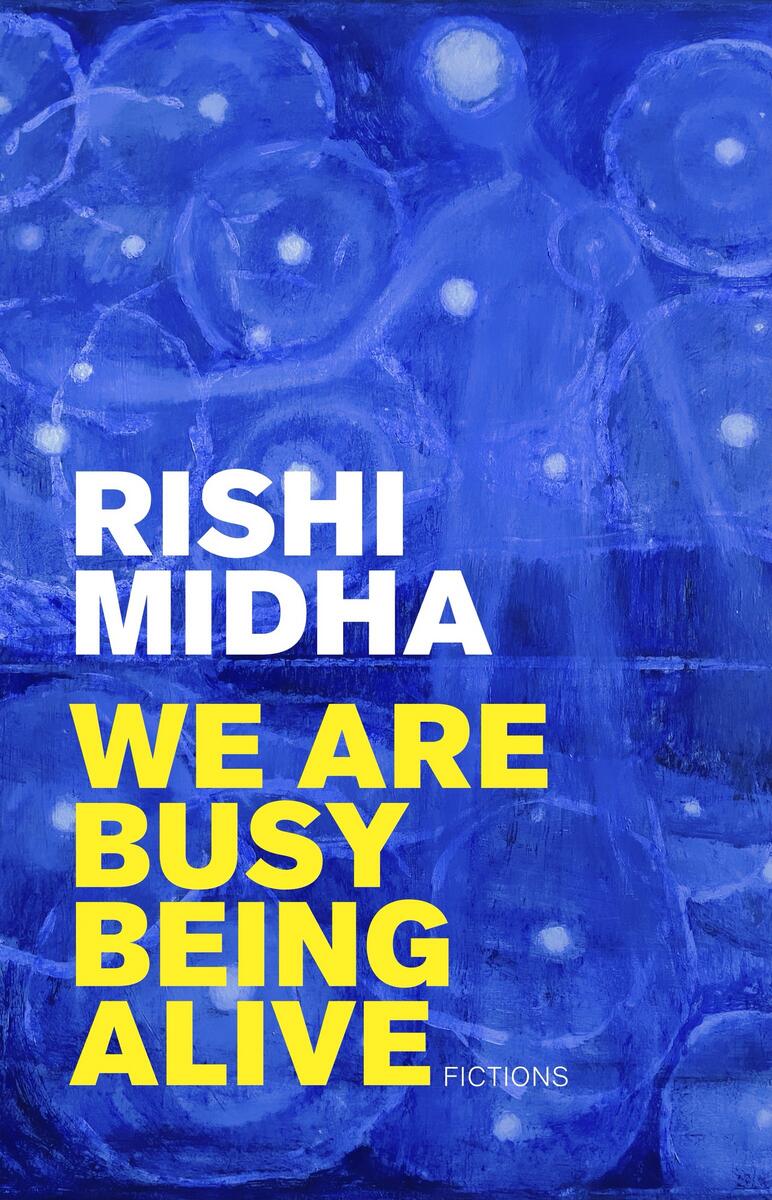
We are Busy Being Alive by Rishi Midha
Set in a North American milieu of detachment and alienation, the stories in We Are Busy Being Alive document the attempts of disillusioned characters to re-enchant themselves with a seemingly indifferent world. Their flailing quests after a sense of purpose are equal parts tragic, absurd, frivolous, and touchingly human.
A drug-fuelled romance with a stolen painting; a sexual awakening at the dentist’s; a crisis of personality from the months-long haze of a forest fire. Small spectacles dangle outside the confines of the everyday, keeping the restless characters reaching.
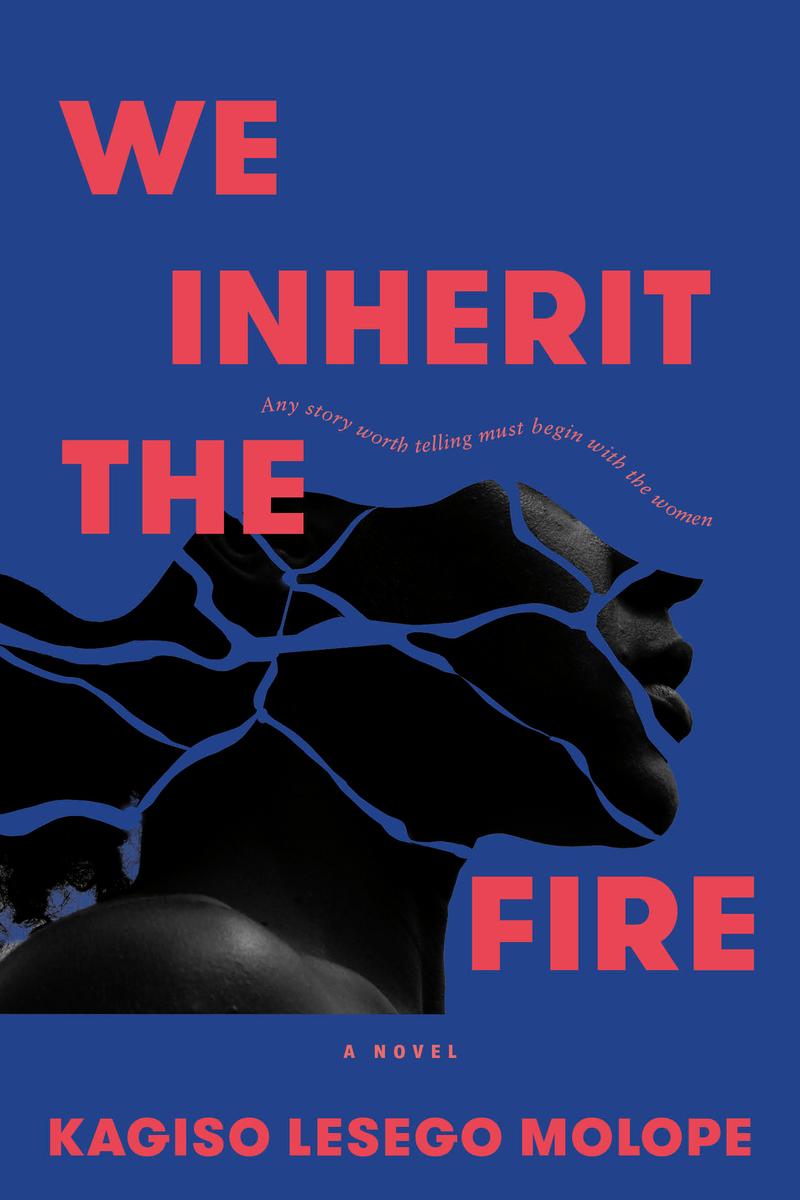
We Inherit the Fire by Kagiso Lesego Molope
In late-1980s South Africa, teenager Kelelo is forced to leave her mountain school for a newly desegregated school in town, where her identity as the daughter of celebrated freedom fighter Kewame “Dolly” Malaka makes her an instant curiosity.
Kewame, now living in material comfort, hides a growing inner collapse as memories of prison life and the women who sustained her resurface, stirred by her grandmother’s illness and the pressure of maintaining a façade of perfection.
As mother and daughter navigate a shifting political landscape, We Inherit the Fire interlaces their voices to reveal the unspoken wounds, buried histories, and complex inheritance of resilience, pain, and responsibility that bind and divide generations of Black South African women.
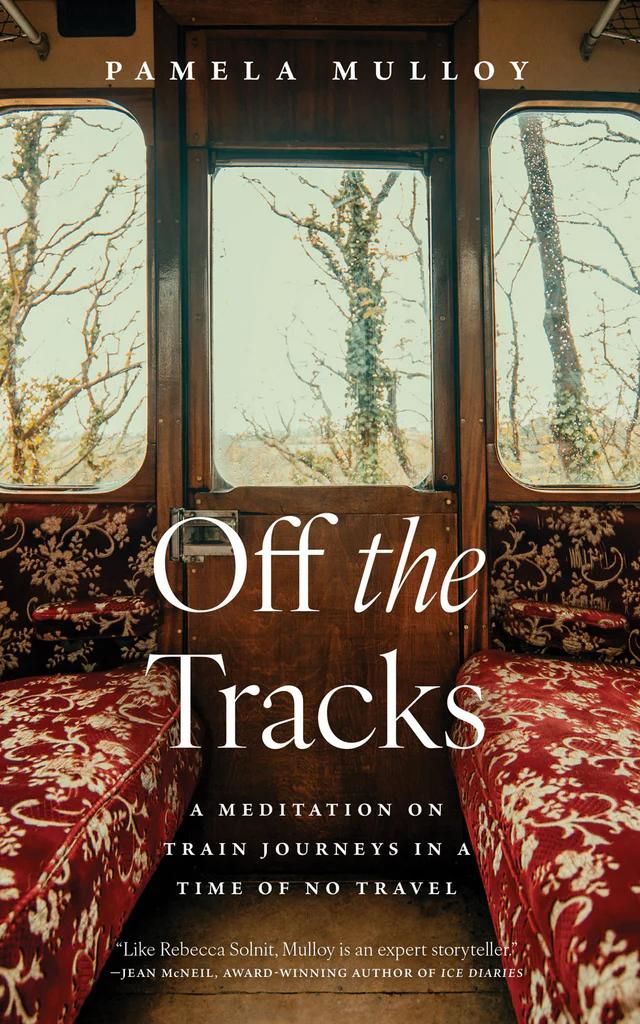
Off the Tracks by Pamela Mulloy
Pamela Mulloy has always loved train travel. Whether returning to the Maritimes every year with her daughter on the Ocean, or taking her family across Europe to Poland, trains have been a linchpin of her life. As COVID locked us down, Mulloy began an imaginary journey that recalled the trips she has taken, as well as those of others. Whether it was Mary Wollstonecraft traveling alone to Sweden in the late 1700s, or the incident that had Charles Dickens forever fearful of trains, or the famous actress Sarah Bernhardt trapped in her carriage in a midwestern blizzard in the 1890s, or Sir John A. Macdonald’s wife daring to cross the Rockies tied to the cowcatcher at the front of the train, the stories explore the odd mix of adventure and contemplation that travel permits.
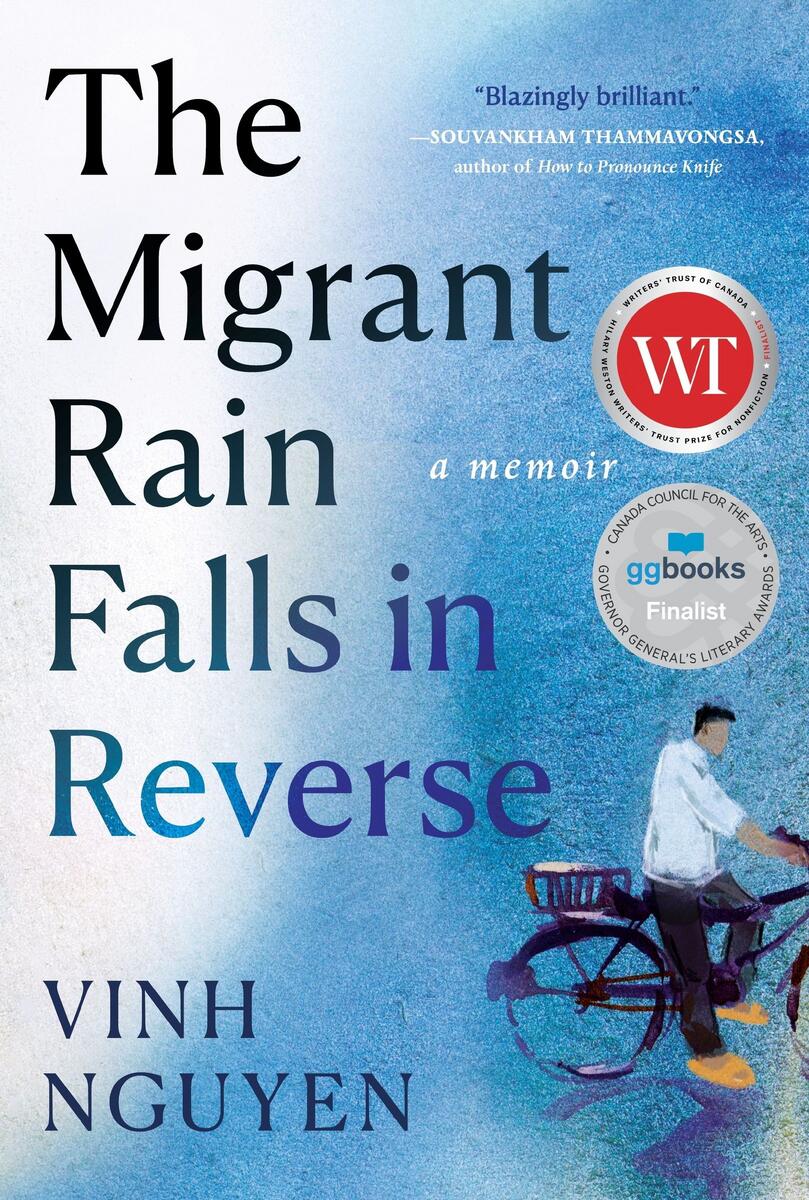
The Migrant Rain Falls in Reverse by Vinh Nguyen
With the Fall of Saigon on April 30, 1975, the U.S. war in Vietnam ended, but the refugee crisis was only beginning. Among the millions of people who fled Vietnam by boat was Vinh Nguyen, along with his mother and siblings, and his father, who left separately and then mysteriously vanished.
Decades later, Nguyen goes looking for answers. What he discovers is a sea of questions drifting above sunken truths. To find his father—and anchor himself in the present—Nguyen must piece together the debris of history with family stories that have been scattered across generations and continents, kept for years in broken hearts and guarded silences.
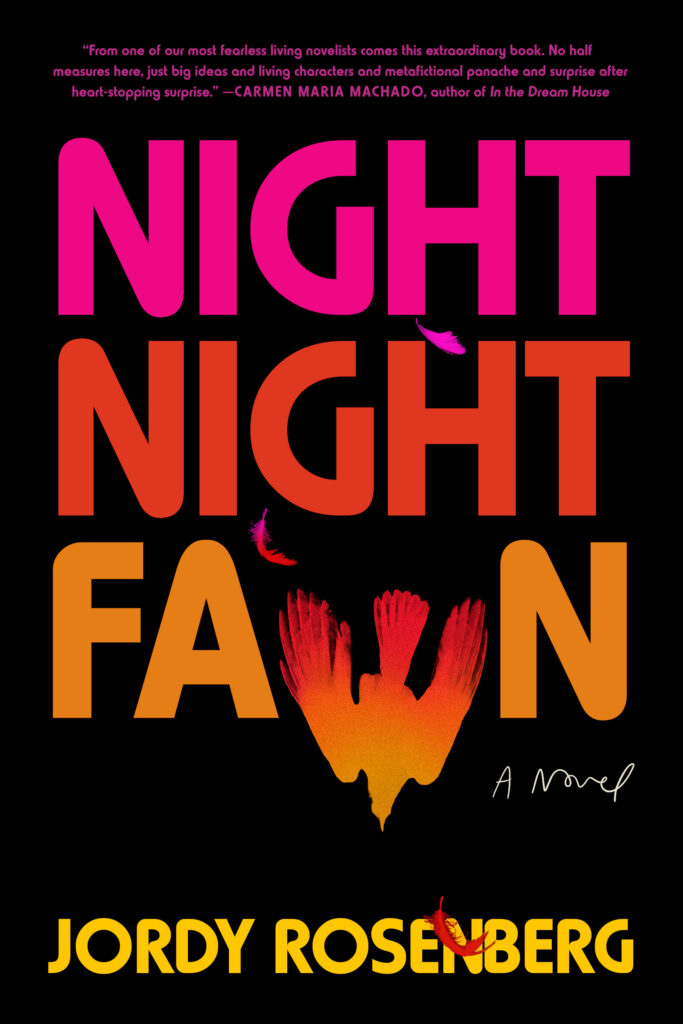
Night Night Fawn by Jordy Rosenberg
In a cluttered rent-controlled apartment in the middle of Manhattan, Barbara Rosenberg is terminally ill, high on opioids, and writing the story of her life. She has opinions about her smutty late husband, her career as the receptionist for a disreputable plastic surgeon, her glory days as an accomplished jazzerciser, and her failed aspirations to be a film noir actress. But what she really wants to talk about are unhinged thoughts on gender, Karl Marx, Zionism, and her two great disappointing loves: an estranged trans son and a long-lost best friend whose betrayal haunts Barbara still. As she descends further into delirium and illness, Barbara finds herself in a nightmare from which she cannot escape, and her circumstances put her on a crash course with these intimates—or are they avenging nemeses?—once again.
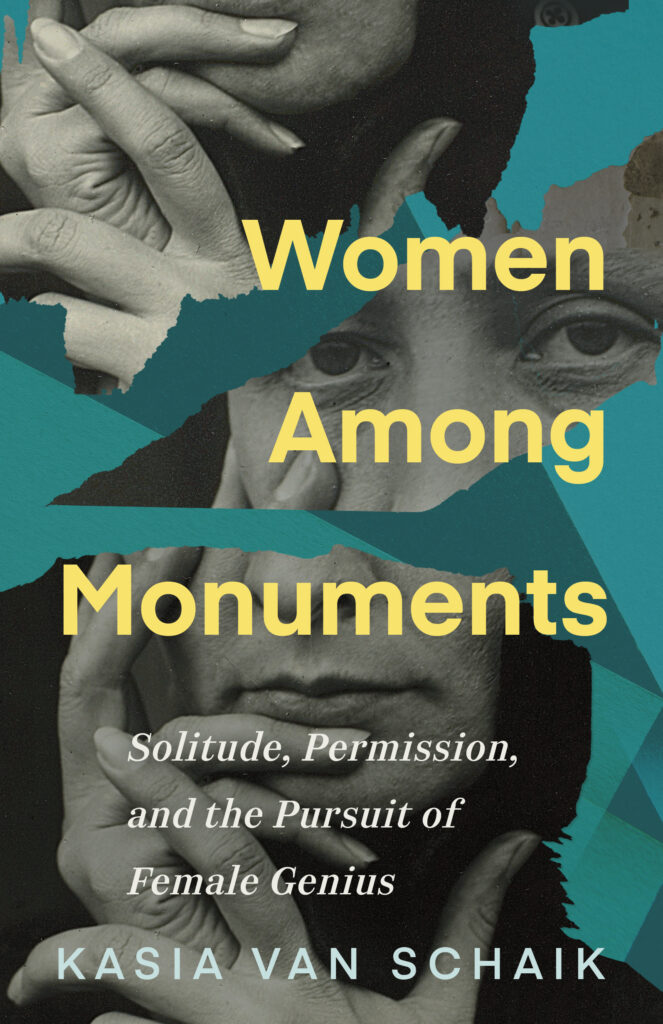
Women Among Monuments by Kasia Van Schaik
Drawing on a diverse web of literary and cultural sources and artistic icons – from Georgia O’Keeffe to Ana Mendieta, Gertrude Stein to Jamaica Kincaid, Leslie Marmon Silko to Bernadette Mayer – Women Among Monuments asks, What, beyond a room of one’s own, are the necessary conditions for female genius? Where does the inner flint of artistic permission come from? What is the oxygen that keeps it burning?
In her memoir interwoven with incisive biographies of female solitude, constraint, and perseverance, Van Schaik blazes a trail for more inclusive artmaking practices, communities, and monuments.
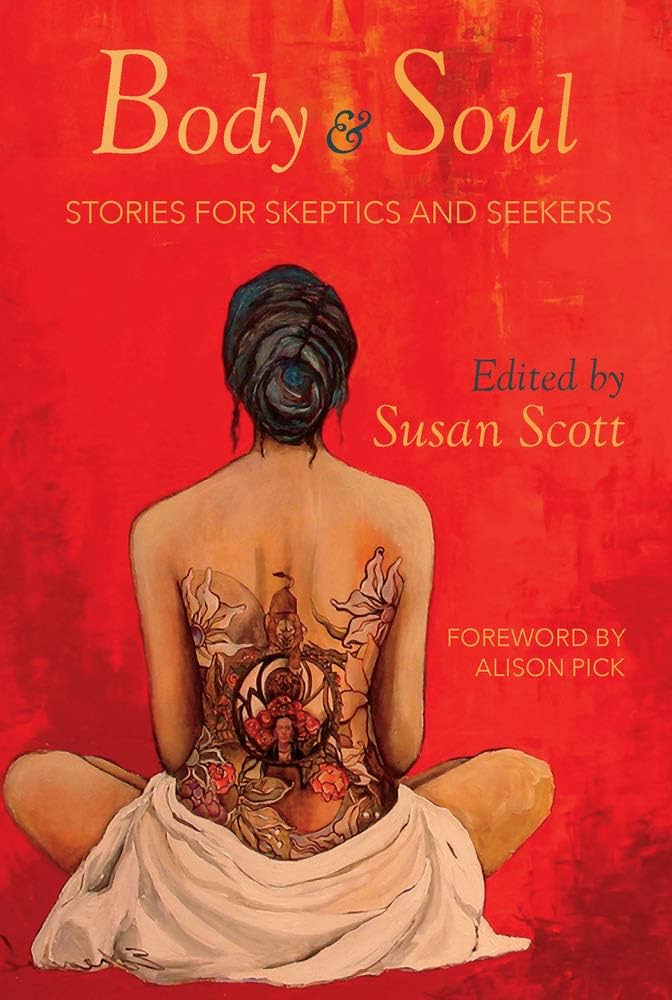
Body & Soul by Susan Scott
Body & Soul: Stories for Skeptics and Seekers is a spiritual journey through experiences that can be liberating but also awkward and sometimes even dangerous, because women are so often excluded from conversations about spirituality. Liberation comes with breaking that age-old code of silence to talk about the messiness of faith, practice, religion and ceremony, to confess our sublimely unconventional modes of spiritual yearning.
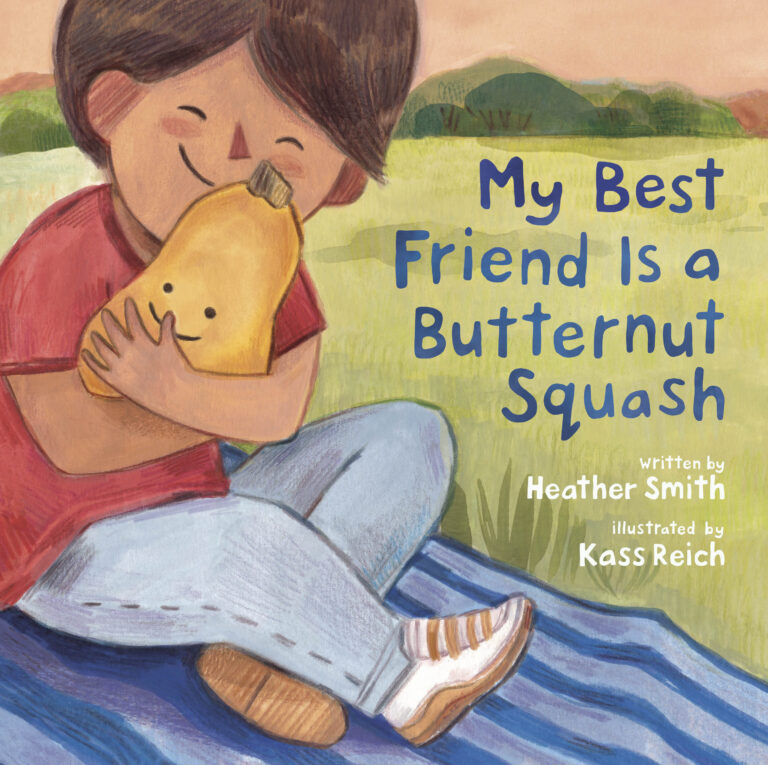
My Best Friend Is a Butternut Squash by Heather Smith
Alex’s best friend is a butternut squash. They play pretend all day long. Sometimes his butternut squash is a baby. Alex pushes him in a stroller all around town. Sometimes his butternut squash is a pirate.They have spectacular swordfights! Sometimes Alex thinks that his butternut squash might like to join the other kids in the playground, but he doesn’t want his squash to get his hopes up. What if the other kids don’t want to play with him? Then one day, they meet someone new. Could Alex and his butternut squash have found a new friend?
Check by Sarah Tolmie
Check is a book of contemporary poetic satire about the groups that we inevitably form and their consequences: in-groups and out-groups and mutual suspicion. When we look around at others, and talk about them amongst ourselves, we agree. Sarah Tolmie writes about parents and teenagers, social media users, different kinds of writers, university professors, feminists, celebrities, pundits — each one in possession of a different truth and determined to defend it. Hatred and intolerance are always the province of other people, never ourselves. Check begins and ends with the premise that toleration is exceedingly difficult and exasperating; it should not be casually assumed, and failures in it are universal. There has never been a tolerant society before, certainly not a global one.
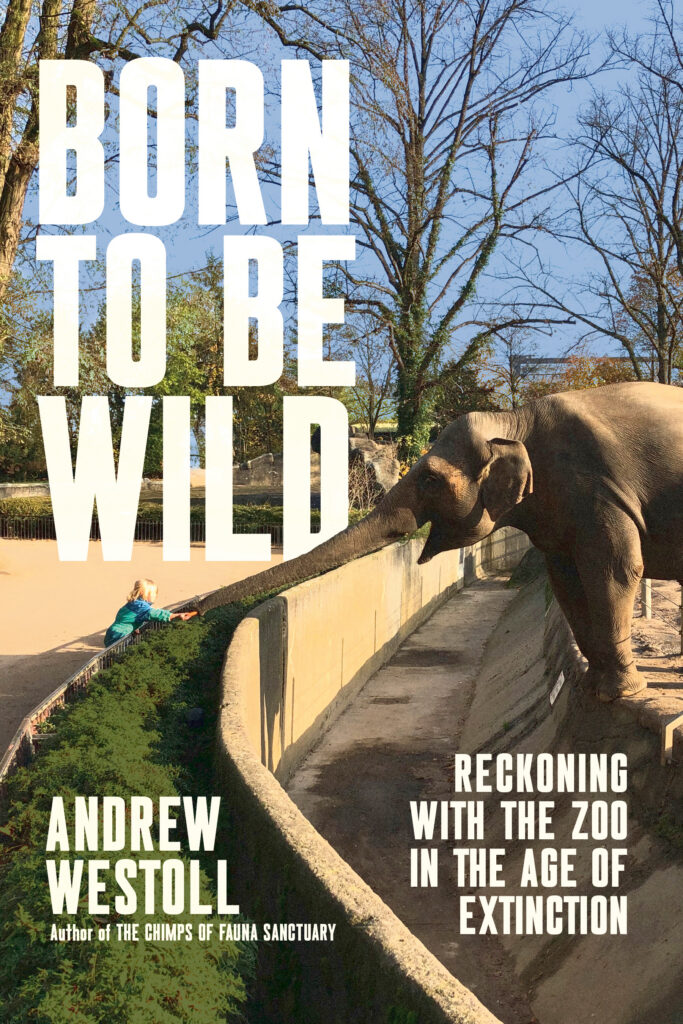
Born to be Wild by Andrew Westol
Most thinking on the modern zoo falls neatly into two camps: zoos are either vital institutions in the struggle against the Sixth Extinction, or cruel anachronisms that deny life and liberty to some of the most awe-inspiring creatures on Earth.
In this deeply researched, elegantly written, and compassionately argued book, Andrew Westoll explores the many paradoxes of the modern zoo, while engaging readers in the practical and ethical quandaries that lie at the heart of the institution.
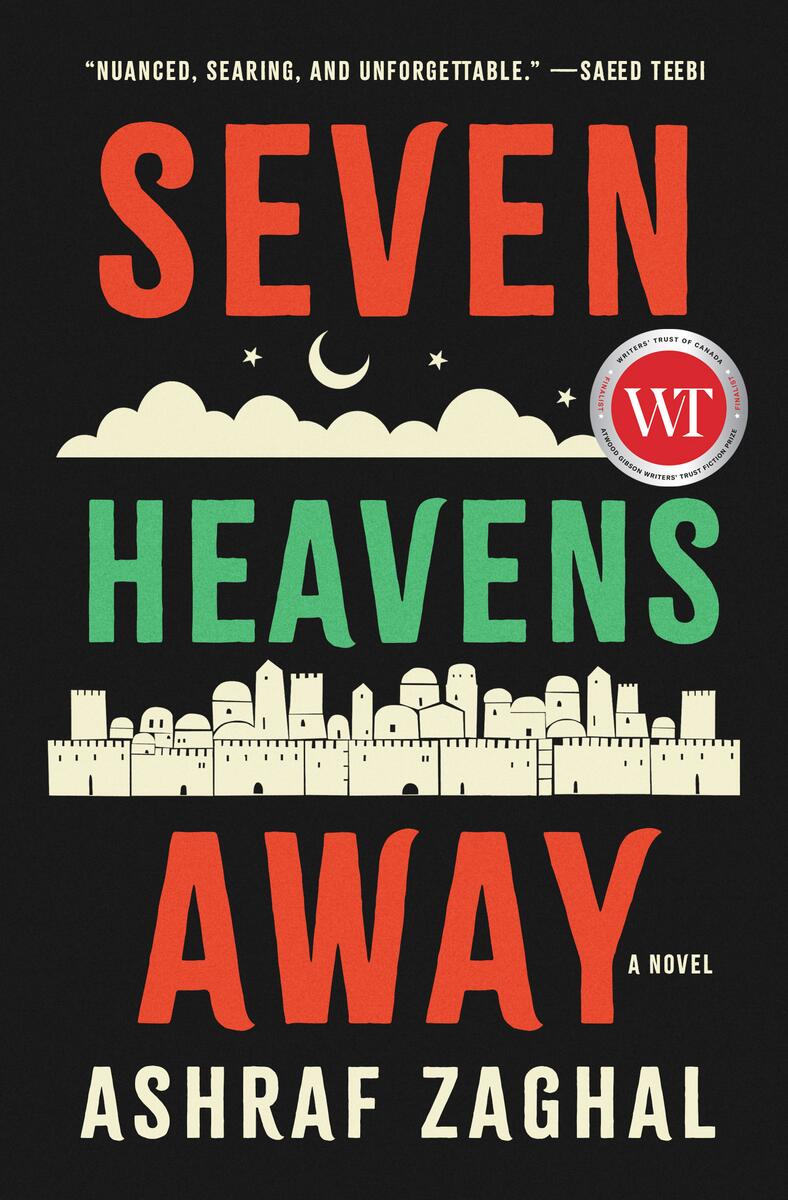
Seven Heavens Away by Ashraf Zaghal
In this taut and heartbreaking debut novel, a Palestinian teenager comes of age amid escalating violence in Jerusalem. After their friend Hassan is killed by an Israeli, Aziz and Mustafa are shaken to their core, drawn into the orbit of Hassan’s father – a respected community leader known for his charity and fiery speeches – as they grapple with grief, guilt, and an uncertain future. As Aziz’s forbidden feelings for Dafna, a Jewish girl, deepen and his mother searches for a way to secure his safety, he’s forced to confront painful truths about loss, survival, and what it means to find hope amid the ruins.